
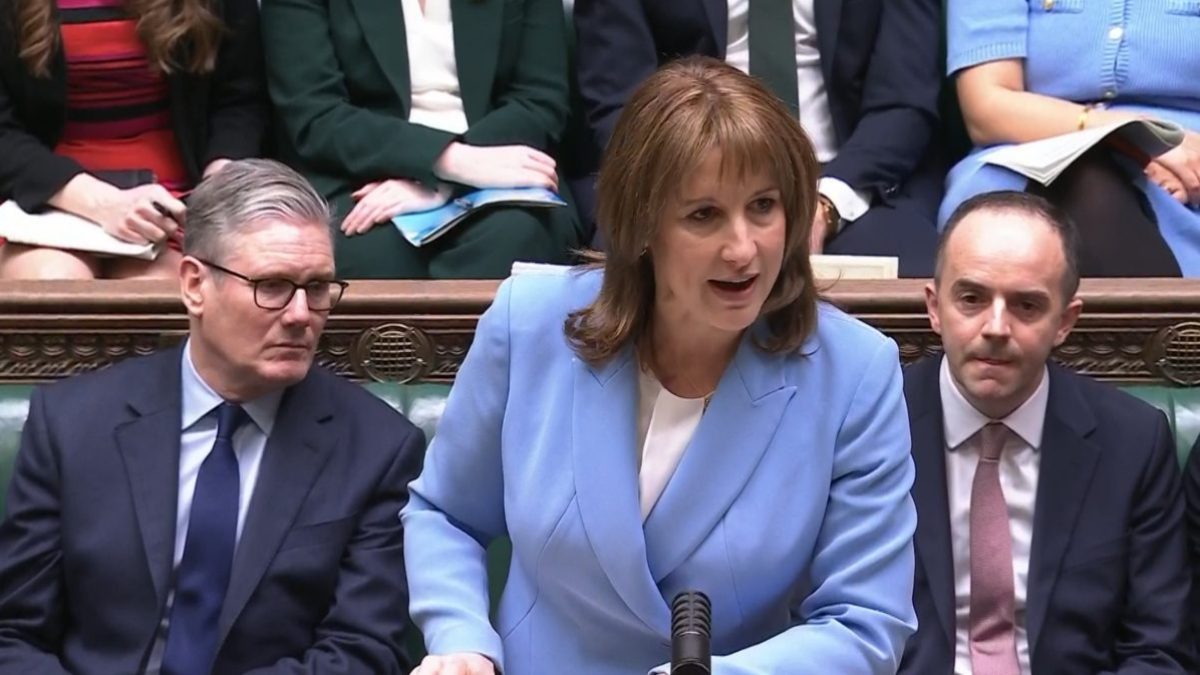
The freeze in income tax thresholds is set to drag many pensioners into paying it for the first time
One million more pensioners than previously predicted will pay income tax as a result of frozen tax thresholds, the Budget watchdog has predicted.
Economic forecasts from the Office for Budget Responsibility, published for Chancellor Rachel Reeves’s Spring Statement, estimate that 600,000 more pensioners will be dragged into paying income tax in the next financial year – 2026/27 – rising to one million by 2030-31.
The value of the state pension has increased dramatically over the last few years because of the triple lock – which means it rises by the highest of 2.5 per cent, inflation, or wage growth, each year.
New FeatureIn ShortQuick Stories. Same trusted journalism.
Because successive chancellors have frozen the threshold at which people start to pay tax, the value of the state pension will exceed the zero-rate personal allowance from 2027/28.
As some pensioners have additional income streams, the OBR estimates 600,000 more will start paying tax from the next financial year, beginning in April.
The OBR document does add that “much of this population is projected to pay only very small additional amounts of tax due to the freezes”.
It also says the Government has pledged that those whose only income is the state pension will not pay income tax in this Parliament, but has yet to set out details.
The OBR predicts that pensioners paying income tax will yield around £100m a year by 2030-31.
The watchdog has not published a breakdown of exactly how many pensioners will be paying income tax by 2031.
Your next read
radio_button_checked
LIVE
However, former pensions minister Sir Steve Webb suggested that the figure would be likely to be more than 10 million. Currently, 8.7 million pensioners pay income tax.
In the 2026/27 financial year, the state pension is set to be worth £12,547.60 a year – just £22.40 below the current personal allowance threshold of £12,570.
By the 2027/28 tax year, the full new state pension is almost certain to exceed the income tax threshold without further intervention from the Government.