
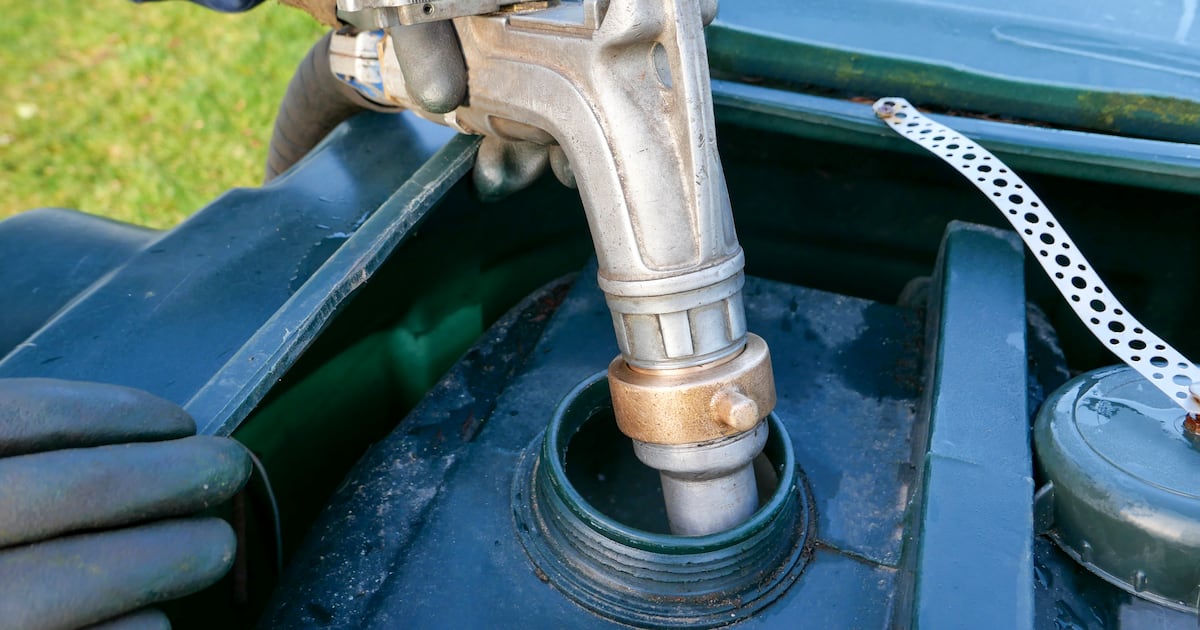
The impact of the Middle East conflict on Irish consumers has been immediate with home heating oil prices soaring to “disgraceful” levels, motor fuel climbing and the plans of thousands hoping to travel to Asia and Australia in the weeks ahead up in the air.
The price of home heating oil has sparked particular concern with the cost climbing by around 40 per cent since last Friday, a spike which has prompted the Government to open a Competition and Consumer Protection Commission (CCPC) investigation.
The average price of 500 litres of oil was €498 five days ago but jumped to close to €700 by Tuesday evening with many companies pricing it even higher representing an increase of close to 40 per cent.
The price of 500 litres of oil with the Dublin-based provider Butterly was €703 while Certa Oil was charging €690.99. Right Price Oil priced 500 litres at €699 with Corrib Oil charging €710.
One Dublin-based provider said demand since the beginning of the week was higher than during a cold snap. “It is like when we have snow and people are panicking. We are getting calls from people who have never called us before,” the supplier said.
Dubbing the increases “disgraceful” and “pure price gouging” the Labour Party’s enterprise spokesman George Lawlor called on the Government to immediately introduce a maximum price order.
[ Why have the US and Israel attacked Iran? Why has Dubai been hit?Opens in new window ]
A spokeswoman for Minister for Enterprise Peter Burke said he had asked the CCPC to examine pricing to ensure there were no increases for consumers “which are not proportionate”.
The price of petrol and diesel has also climbed with prices now between 5 and 10 cent a litre dearer. Taoiseach Micheál Martin said there was “no excuse for prices going up at the pumps yesterday, or indeed anywhere” because Irish oil “is coming from the North Sea and we don’t want any price gouging going on”.
In response Kevin McPartland, the chief executive of the Fuels for Ireland umbrella group said Martin knew “Ireland does not set fuel prices – global markets do. When geopolitical shocks occur, wholesale prices move immediately. It makes no difference whether crude comes from the North Sea or elsewhere; petrol, diesel and heating oil are priced against international benchmarks.”
He pointed out a €1,300 delivery of home heating oil includes more than €330 in taxes and levies and said if the Taoiseach “wants to protect Irish consumers from high energy prices, the most immediate and effective action lies not in examining retailers, but in examining the tax burden.”
Looking to the longer term he said there were many “moving parts” including supply, the price of crude and the strength or weakness of the dollar, which is the currency used in oil trading. “It is a volatile market but there is no risk to supply and I don’t see anything that indicates high prices for a long period.”
Meanwhile significant question marks hang over the travel plans of thousands of people with the Irish Travel Agents Association (ITAA) describing the situation as “fast moving and still very fluid”.
The president of the ITAA Tom Randles told The Irish Times that in the normal course of events around 2,500 people travel in and out of Dublin through Dubai, Abu Dhabi and Doha each day with most travelling to and from Asia, Australia and New Zealand.
He said airlines were only allowing cancellation options up to March 10th and all flights after that are currently scheduled to operate as normal. Anyone who cancels trips scheduled to depart after that date over concerns about the scale of the conflict risks losing out an any refund as it stands.