
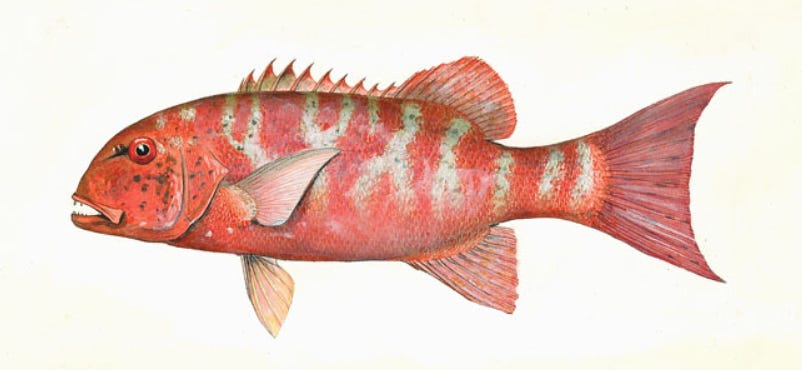
The Vanuatu Ministry of Health is reporting an outbreak of ciguatera fish poisoning. As of March 2, 44 cases have been reported between January and mid‑February 2026 across six islands (Efate, Tanna, Ambae, Pentecost, Maewo, and Santo).
No deaths have been reported, and two hospitalized patients have fully recovered.
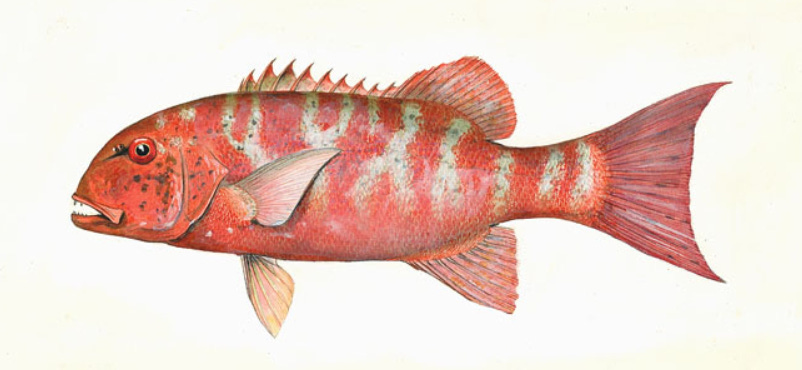 Image/Queensland State Archives
The public is advised to avoid high‑risk reef fish, follow guidance from fisheries authorities, and seek medical care if symptoms occur, while health authorities continue routine monitoring through syndromic and notifiable disease surveillance systems, with efforts ongoing to address potential under‑reporting and ensure data quality.
More than 400 species of fish, including barracuda, black grouper, blackfin snapper, cubera snapper, dog snapper, greater amberjack, hogfish, horse-eye jack, king mackerel, and yellowfin grouper have been implicated in this food borne illness that’s relatively common in several areas of the world.
Subscribe to Outbreak News TV on YouTube
This toxin is the result of the accumulation of marine algae and the toxins they produce passing up the food chain. These marine algae hang on to dead coral and seaweed. They are then eaten by herbivore fish which are subsequently eaten by predatory reef fish which concentrates the toxin in its tissue. People get this food borne toxin from eating these contaminated larger fish. The reef fishes are more likely to get contaminated during storms and other turbulence.
After eating the affected fish (the fish does not get sick from the toxin and actually tastes good) in as little as a couple of hours symptoms may appear. Gastrointestinal symptoms like diarrhea, nausea and vomiting tend to appear early. Then a feeling of weakness and hypertension may occur in addition to complaints of intense itching.
Some mild to severe neurological symptoms are common with ciguatera; dizziness, impaired coordination, blurred vision and even coma may be seen in severe cases.
An unusual characteristic that is common in ciguatera is temperature reversal. This may be seen from 2 to 5 days after eating the fish. Hot objects seem cold and cold objects can give a shock-like sensation. There have been serious injuries because a person was unable to recognize extremely hot sensations. Other odd symptoms are food may taste metallic and teeth may seem painful or loose.
The gastrointestinal symptoms usually resolve in a couple days; however neurological symptoms may last for months or years. Symptoms may come back after ingesting certain foods and drinks; alcohol, caffeine, nuts and fish.