

NASHVILLE, Tenn. — Legislation that would prohibit pharmacy benefit managers (PBMs) from owning or controlling pharmacies in Tennessee is advancing in the General Assembly.
The bill has sparked concern for companies like CVS Health, which has threatened to close its pharmacies in Tennessee if this bill passes.
If approved, the legislation would bar PBMs from acquiring, holding, or exercising control over a pharmacy license in the state.
The bill is going before the House Insurance Subcommittee Wednesday.
Supporters say the measure targets vertical integration in the pharmacy industry.
CVS Caremark is a PBM owned by CVS Health, which also owns Aetna and retail pharmacy chains nationwide.
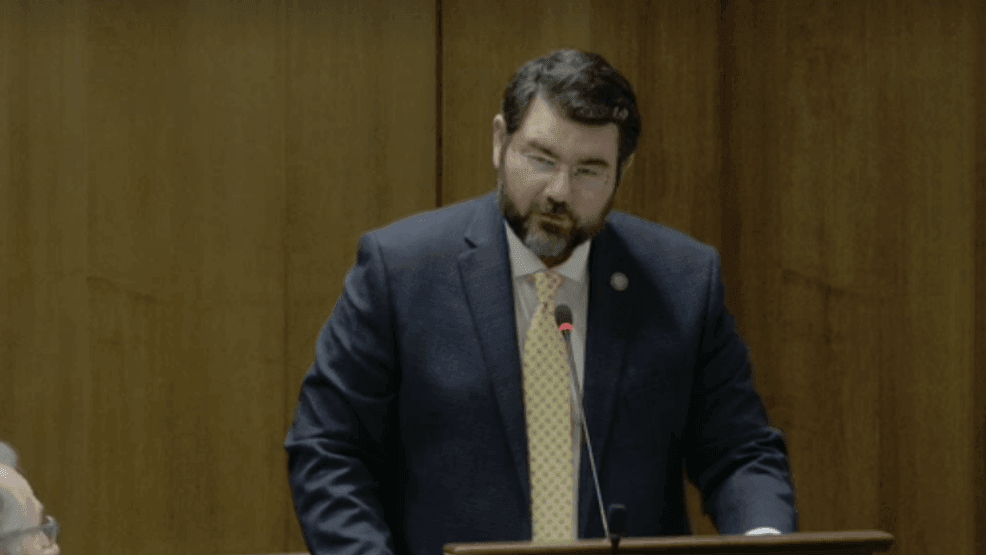
Senator Bobby Harshbarger. Image:{ }wapp.capitol.tn.gov
Senator Bobby Harshbarger, sponsor of the bill, says this type of integration allows large corporations to benefit their own subsidiaries at the expense of independent pharmacies.
That’s something he wants to limit in Tennessee.
Photo by Scott Olson/Getty Images, FILE
This week, representatives with CVS Pharmacy were in Nashville, advocating against this bill.
“If you look at CVS specifically, we also have 25 Minute Clinics in Tennessee. Those are retail medical clinics that are inside our stores. Those would also have to close. We can’t have a store with no pharmacy and no front store and just a clinic inside,” said Amy Thibault, CVS Health corporate communications executive director.
In a statement released Wednesday, CVS Health says…
““Senate Bill 2040 would devastate pharmacy care access and affordability in Tennessee. It endangers Tennesseans by eliminating access to 134 vital community pharmacies and the essential health and wellness products they provide. People with chronic, complex conditions will have fewer home delivery options and less access to high-touch, expert specialty pharmacies. Even our more than 25 MinuteClinic locations would close, meaning patients will have to find convenient access to acute care – for things like ear infections, strep throat, and flu – elsewhere, and more than 500 patients will need to find a new primary care provider. The bill will cost thousands of jobs for people who live and work in Tennessee. Supporting SB 2040 is supporting health care chaos for working families, seniors, and people with disabilities.”
Lawmakers backing the measure stress the legislation itself does not require pharmacy closures.
Instead, PBM-affiliated pharmacies would be required to divest ownership or restructure by January 1st, 2027, with limited transition options available through the end of 2026.

Natalie Elliott Handy has a mother with Parkinson’s and relies on CVS Specialty care for her prescriptions. She says…
“This legislation does not protect the individuals and the caregivers themselves, it simply pulls away a high touch and critical service that people like my sisters and I and my mom desperately depend on.”
A fiscal analysis says the financial impact of this bill on the state is uncertain. In the short term, TennCare and the State Group Insurance Program could see higher drug acquisition costs and administrative expenses as pharmacy networks adjust.
However, supporters argue the bill could improve transparency and reduce practices such as spread pricing.
In a 2024 audit, the Tennessee Department of Commerce and Insurance found CVS Caremark used “spread pricing,” charging certain covered entities more than it reimbursed pharmacies.
The audit claims that resulted in payments above the actual cost of medications and non-compliance with state law.
Jake Standefer with Access Pharmacy in Hixson says he supports this change.
He thinks it gives patients the choice on where to get medication.
“All it does is mandates that those who set the reimbursement. Rates cannot own the pharmacies being reimbursed. It’s seeking to break up this monopoly,” Standefer says.
Other healthcare providers testified before lawmakers about patient care concerns.
“One would assume negotiating between interchangeable drugs would lower costs. One would assume wrong,” said Dr. Johnetta Blakely, a medical oncologist with Tennessee Oncology in Cookeville. “That is because PBMs are not fiduciaries to health plans or employers. Many operate under spread pricing and rebate-driven models that reward favoring high list prices of drugs.”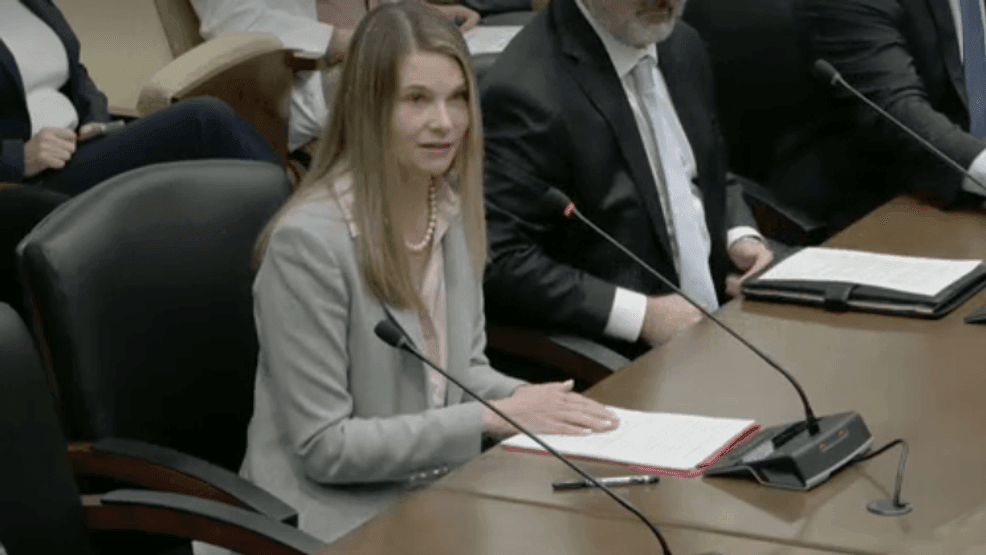
Dr. Johnetta Blakely.{ }Image: wapp.capitol.tn.gov
Dr. Blakely added…
“PBM practices such as prior authorization and step therapy routinely delay care. In oncology, delays are not benign.”
The bill now moves to Senate Finance, Ways, and Means Committee as debate continues over its potential impact on patients, pharmacies, and the state’s healthcare system.
State Sen. Harshbarger’s mom, Congresswoman Diana Harshbarger (R-Tennessee), is leading a similar effort on a national level.