
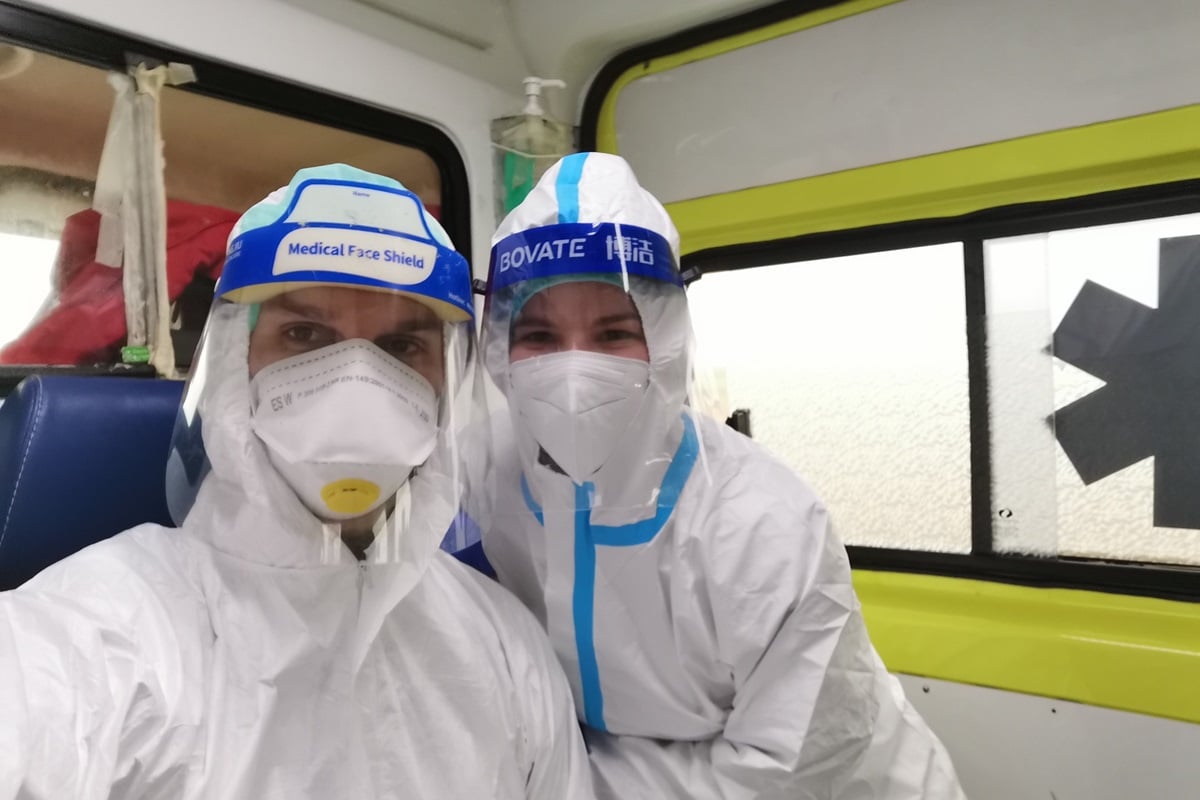
When Ema walks into the emergency department at the start of her shift, she knows she is stepping into controlled chaos. Monitors beep, stretchers line the corridors and the waiting room is already full. Only a few months into her residency in emergency medicine, she is still learning to find her footing, professionally, emotionally and mentally.
Based in Zagreb, Croatia, Ema is one of the more than 100 000 doctors and nurses who took part in WHO/Europe’s Mental Health of Nurses and Doctors (MeND) survey, the largest survey to date of the mental health of doctors and nurses in the European Union, Iceland and Norway. The findings, published in October last year, show that psychological distress among health workers is widespread – shaped by systemic pressures, inadequate working conditions and poor mental health support, as Ema’s story highlights.
Learning under pressure
There are, of course, moments of support. Ema describes attending physicians who take time to review her notes, answer questions and follow her work closely. “Their support in the midst of the constant pressure of the emergency department is something I deeply value,” she says.
But the structure around that support is fragile. The pace of emergency care leaves little space for planned teaching or reflection. Feedback often comes only after something has gone wrong. “It’s usually reactive,” Ema explains, “focused on addressing mistakes rather than anticipating them.”
Ema says that for a young doctor still building confidence, this matters. Without a structured orientation when she started, she had to learn basic logistics (where equipment was kept, how to navigate the resuscitation room) by trial and error. When she asked for guidance, she was told simply to “explore and try things out” in her free time.
Additionally, working in other wards can be isolating. Staff rotating between units, particularly those from emergency medicine, are often marginalized, with meaningful learning opportunities reserved for those permanently assigned to the unit. “At times I feel like unused potential, rather than an active part of the health-care team,” Ema says.
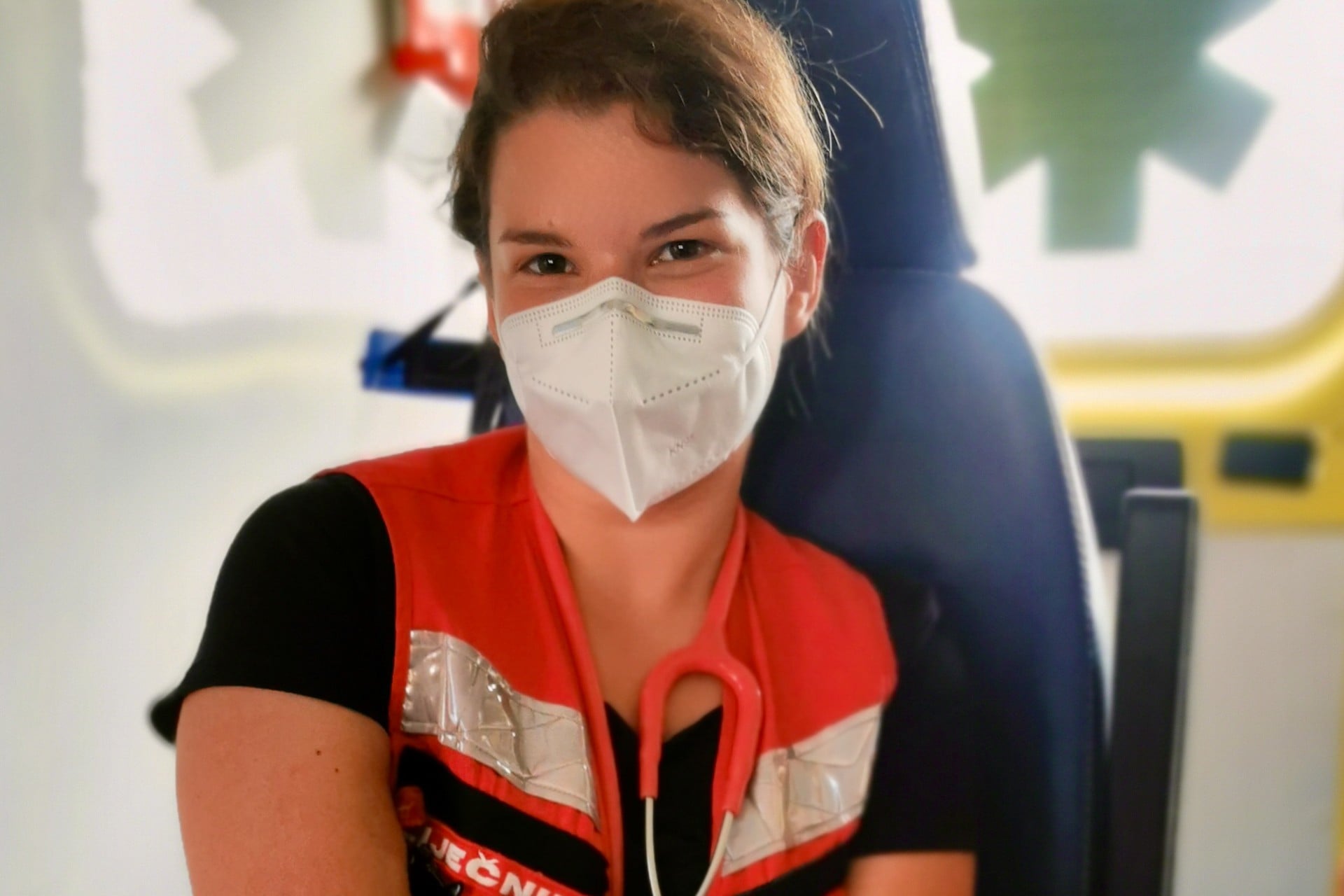
When the system strains the individual
These challenges unfold against a backdrop of chronic workforce shortages, affecting the entire WHO European Region. Based on the latest data, estimates point to a projected shortfall of nearly 1 million health and care workers across the Region by 2030.
In Ema’s emergency department, nursing shortages are particularly acute, which of course impacts everyone’s workload in the department.
The MeND survey confirms that this is not unique to one hospital or one country. Across the Region, understaffing and excessive workloads were among the strongest predictors of anxiety, depression and burnout among health workers.
Security concerns add another layer. Long waiting times and overcrowding fuel frustration among patients and families, which can escalate into verbal aggression. “It’s not unusual to be cursed at or even threatened,” Ema says. With a limited security presence, staff often feel exposed.
Constant interruptions, questions from relatives and requests for updates, place a further burden on focus and concentration. “They break workflow and increase the risk of error,” she notes, compounding the fear many young doctors carry of making mistakes.
The quiet toll on mental health
Although still early in her residency, Ema already feels the mental strain of her role. Self-doubt, fear of error and a sense of responsibility that outweighs the support available to her often follow her home. Exhausted after long shifts, she struggles to find time or energy to study, feeding a sense of stagnation.
Yet there are moments that sustain her.
“Even in the most difficult shifts, there are moments that give me strength, like a simple ‘thank you’ from a patient or a family member, helping someone by easing their pain or performing a life-saving procedure,” she explains. “Those moments bring a deep sense of purpose and remind me why I chose this profession. They help recharge me and counterbalance the emotional weight of the job.”
These moments of meaning echo one of the MeND report’s key findings: despite high levels of distress, most health workers remain deeply committed to patient care. What they lack is not motivation, but conditions that allow them to thrive.
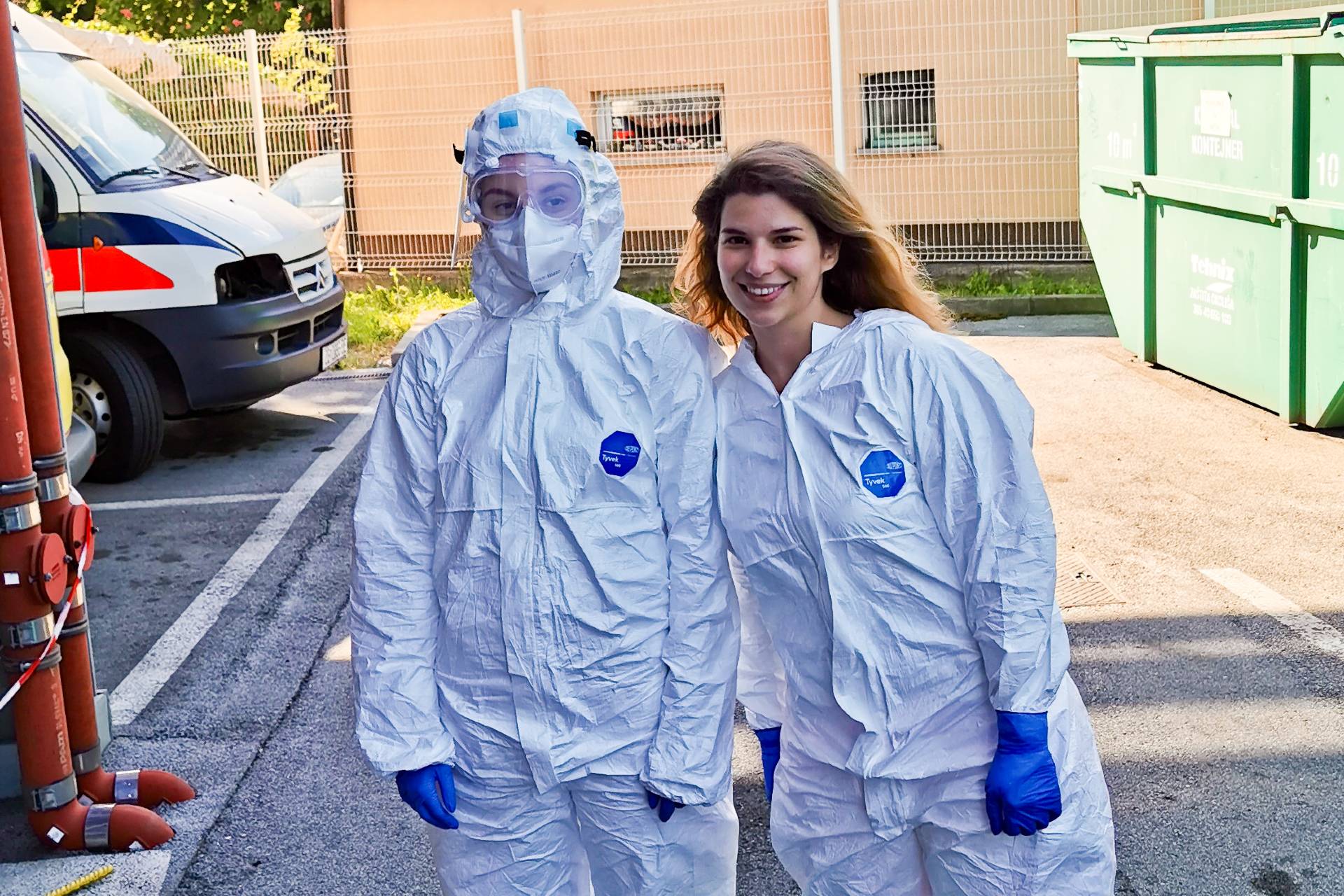
A workforce under strain
Among Ema’s peers, the warning signs are impossible to ignore. Nurses leave the emergency department almost weekly. Their replacements are often young or unfamiliar with the department, intensifying pressure on already stretched teams. Stories of exhaustion, dissatisfaction and disengagement circulate daily among residents, nurses and senior doctors alike.
“It creates a pervasive atmosphere of negativity,” Ema says, which sometimes leads her to question her future in this field.
The MeND survey highlights the risk this poses not only to individuals, but to health systems as a whole: burnout and attrition among health workers threaten continuity of care, patient safety and system resilience.
What makes the difference
For Ema, support often comes in small, informal ways: spending time with colleagues after a shift, talking openly about difficult cases, knowing others are struggling too. “That sense of togetherness makes the burden feel lighter,” she says.
But what she longs for most is something more structural: real, consistent mentorship. “Mentorship should be strongest at the beginning of residency,” she explains, when uncertainty is highest. Over time, autonomy should grow, but always with supervision and constructive feedback.

From evidence to action
If Ema could ask policy-makers for one change, it would be to formalize and strengthen mentorship systems across health services. “Mentorship shouldn’t depend on luck or even the initiative of the trainee,” she says. “It should be guaranteed.”
Her hope for the MeND survey is that it will make the realities of health-worker distress impossible to ignore – and impossible to dismiss as individual failure. By documenting experiences across Europe, she hopes the evidence will drive reform: better staffing, safer workplaces, and environments where care providers are supported as carefully as the patients they serve.
“Protecting the well-being of health-care workers is inseparable from protecting patients,” Ema says. “This survey can be the start of a cultural shift – from normalizing burnout, to recognizing it as an occupational risk that requires systematic prevention, early recognition and support, and creating systems that allow people to stay, grow and provide safe care.”
Partnerships to tackle mental health challenges, including in the health-care sector
The MeND report and the extensive survey behind it come as part of a contribution agreement between WHO/Europe and the European Commission under the multi-year project “Addressing mental health challenges in the European Union countries, Iceland and Norway”.
In an effort to include all key stakeholders in Europe, the survey was conducted in partnership with 6 medical and nursing associations: the European Forum of National Nursing and Midwifery Associations; European Junior Doctors Association; the Standing Committee of European Doctors; the European Federation of Nurses Associations; the European Union of Medical Specialists; and the European Union of General Practitioners.
Ema is a member of the European Junior Doctors Association.