
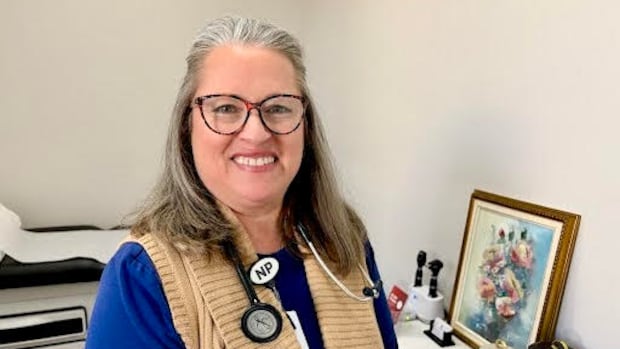
Angela McGraw is a nurse practitioner who specializes in women’s health, treating more than one thousand clients out of her private clinic in Saint John’s north end.
Most of her patients are in New Brunswick, but she’s also licensed in Nova Scotia, Prince Edward Island and Ontario, providing virtual care to people in those provinces too.
As an independent health-care provider, McGraw doesn’t work for the local health authority. Instead, her patients are billed directly for their visits.
Whether she can continue to offer primary care independently is a question.
The Canada Health Act will expand on April 1 to include primary care provided by nurse practitioners, pharmacists and midwives, so patients aren’t paying out of pocket for care.
It’s just not clear yet what that will look like in New Brunswick or in the rest of Canada.
“Each province is going to interpret it differently,” McGraw said. But any health-care providers currently charging privately, could see “a big barrier to their practice.”
WATCH | Flexible funding models needed, nurse practitioners say:
Nurse practitioners unsure how big change in patient billing will work in N.B.
A federal policy will add essential care by nurse practitioners, pharmacists and midwives to medicare coverage starting April 1. It’s meant to keep patients from having to pay out of pocket, but it’s still unclear how the change will be applied in New Brunswick.
The change to the Canada Health Act was announced last year by former federal health minister Mark Holland to protect Canada’s publicly funded health-care system.
He said medically necessary services should be covered by a patient’s provincial or territorial health-care plan, whether it’s provided by a physician or a physician-equivalent.
Starting April 1, any charges to patients will be considered extra billing, he said, and “every dollar wrongfully taken out of the pockets of Canadians will be deducted from the [provincial and territorial] health transfers.”
Provinces, which have to implement measures to collect the information, are to start reporting patient charges in December 2028.
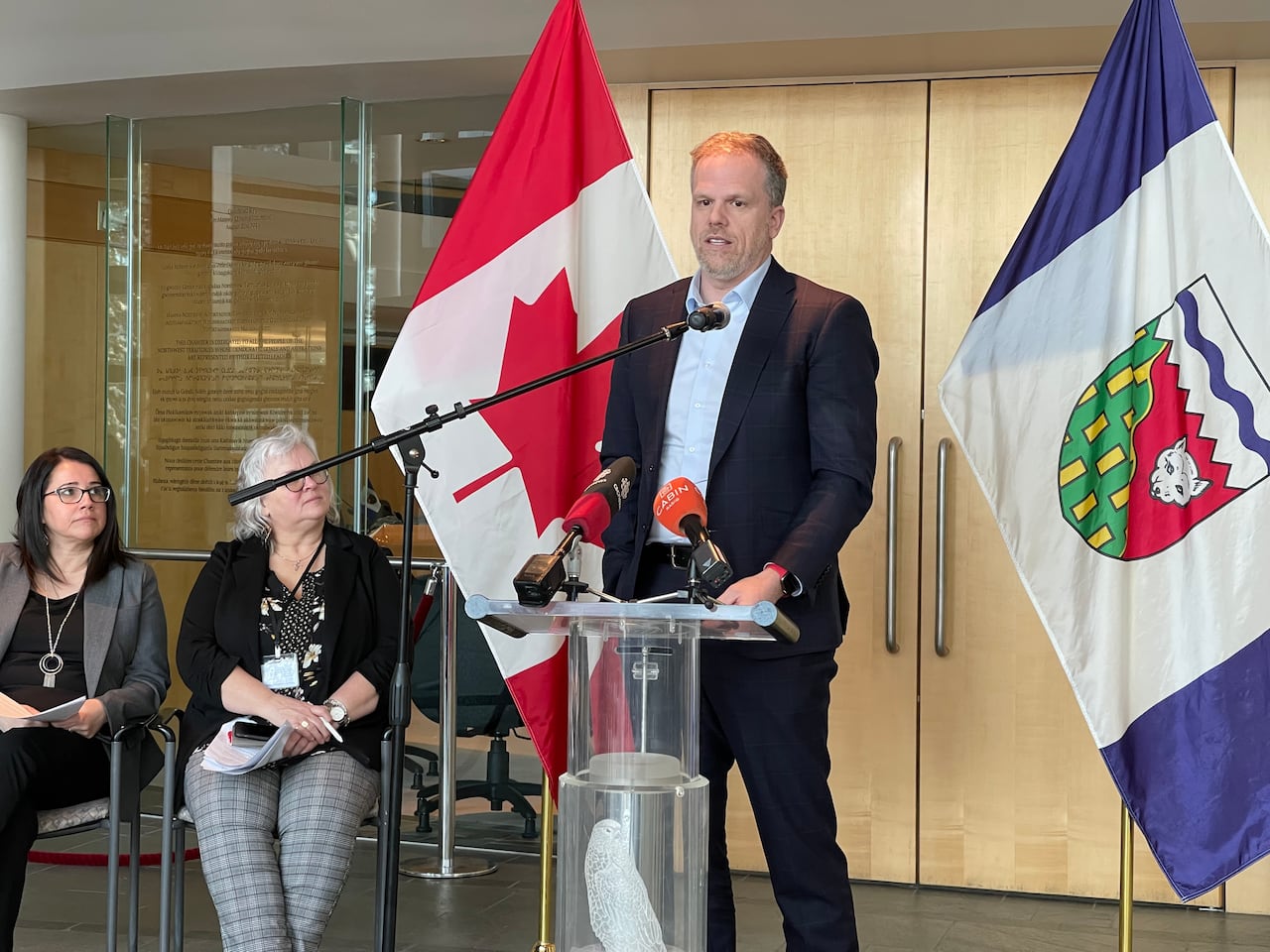 Former health minister Mark Holland said nurse practitioners should be able to bill the public health-care system the same way doctors do. (Robert Holden/CBC)
CBC News requested an interview with the New Brunswick Health Department about the policy change. That request was declined.
A statement from spokesperson Sean Hatchard, said the province has been in discussions over the past year and will continue to collaborate with federal, provincial, and territorial partners on the implications of the policy.
McGraw said people choose to pay for service from nurse practitioners, the same way they do for seeing a dentist, physiotherapist, psychologist or dietitian.
She’s pleased to see health coverage expanded — but only if it’s presented in a flexible way that allows people like her to continue operating independently.
“We need to have more nurses at the table for all of these conversations,” she said.
“These are often decisions that are being made by people who aren’t working as a nurse or nurse practitioner, and often we are the last ones to be told after the decision has been made.”
Flexible funding needed
Natasha Stephen, president-elect of the Nurse Practitioners of New Brunswick, said she hasn’t been part of any discussions with the provincial government over funding models, but she would like to see the same flexibility that’s offered to physicians.
“There’s no expectation that all physicians practise in a certain way under the health authorities,” she said. “They’re still able to have a solo practice if they wish.
“They are able to be part of a collaborative health clinic if they wish. They’re able to work under the RHAs if they wish.”
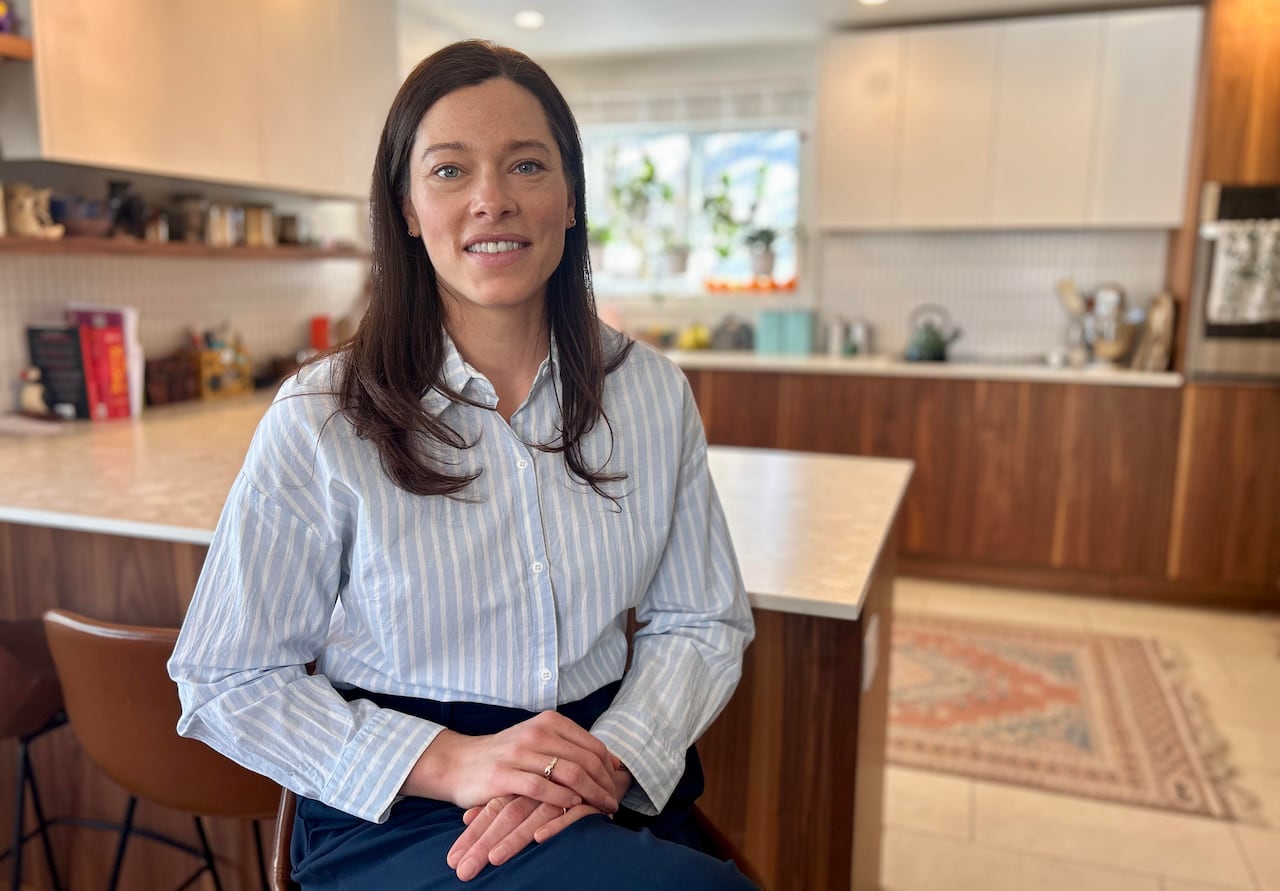 Natasha Stephen would like to see more flexible funding options for nurse practitioners. (Allyson McCormack/CBC)
As an example, Stephen said physicians who specialize in lactation consultation can operate their own private clinics and bill provincial insurance for those services.
Stephen is also a lactation consultant, but she wouldn’t be able to bill the province if she opened a similar clinic. She said her group would like to see that same liberty.
“Lots of nurse practitioners have specialty areas of mental health or women’s health. There are so many examples where we could be great partners … and fill a huge gap here.”
With Canada-wide competition for physicians and nurse practitioners, Stephen said it’s important New Brunswick match the flexibility being offered elsewhere in Canada.
Still unable to order investigations
There are about 10,000 nurse practitioners licensed in Canada, including more than 200 who live and work in New Brunswick. But for those in private health care, the ability to refer patients for diagnostics or to a specialist depends on where they practise.
“If I’m seeing clients in Ontario or P.E.I. virtually, there’s no issues there,” McGraw said. “I can order their blood work, I can order their ultrasounds, we can order CT scans if need be.”
That’s no longer the case in New Brunswick.
A change introduced under the Blaine Higgs government in 2021 meant any medical practitioner operating outside the public system would be billed by the regional health authority for any diagnostic or laboratory tests ordered.
McGraw said she’s now forced to jump through hoops to provide that same type of service, using other primary-care providers or telemedicine, to avoid those costs for her patients.
She’s hoping the new coverage rolling out next month will improve access to private nurse practitioners like her, and force a re-evaluation of how independent, non-salaried NPs are compensated for primary care services.
New Brunswick pharmacists can do so much more to help patients- Heidi Liston, CEO, New Brunswick Pharmacists’ Association
Heidi Liston, the CEO of the New Brunswick Pharmacists’ Association, calls the federal policy a “significant step toward more equitable, timely access to medically necessary health care.”
She said the association doesn’t have any details yet on how the change will be applied in New Brunswick.
“What we do know is New Brunswick pharmacists can do so much more to help patients in a timely manner,” she said. “They can provide care for a growing list of common medical concerns, including assessing symptoms, performing basic physical exams and prescribing treatments, some of which are funded by government.”
Liston said funding more of these services can shift the treatment of minor medical conditions to a lower-cost, highly accessible community pharmacy setting.
That will free up physicians and nurse practitioners to focus on more complex patient needs, she said.