
Markets have been jittery since the US-Iran war broke out, but have they been jittery enough?
Yes, gas prices have gone parabolic, oil prices have spiked and non-US stocks have seen some pretty heavy selling.
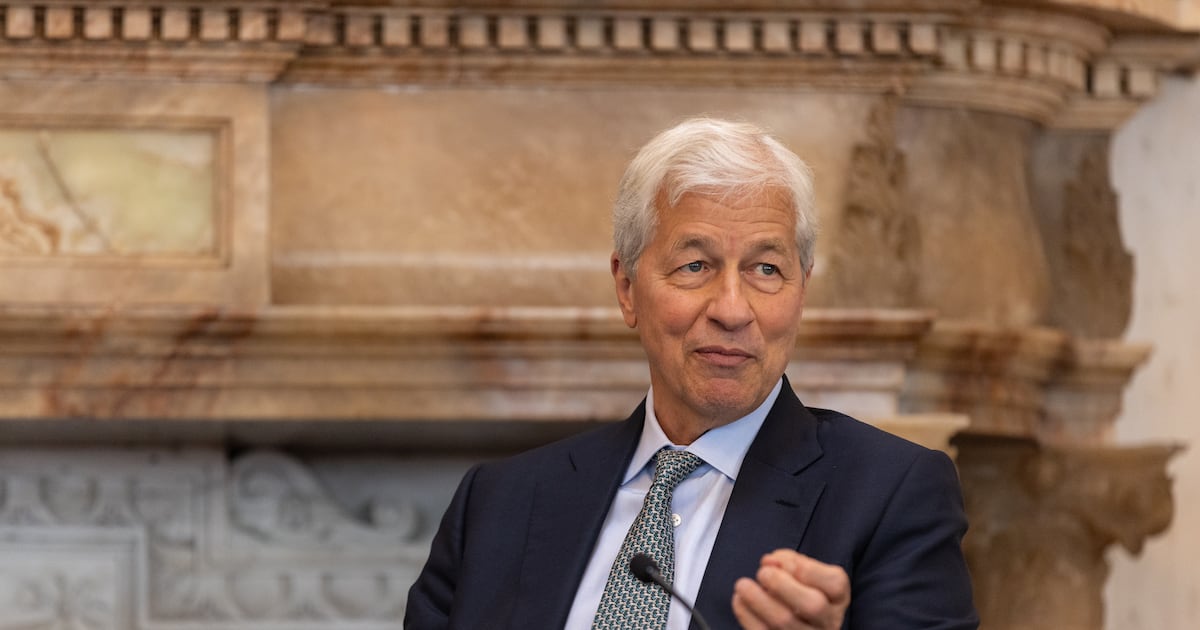
Nevertheless, S&P 500 selling has been relatively contained, prompting the boss of America’s biggest bank, JPMorgan’s Jamie Dimon, to warn of a “lot of complacency”. Cyberattacks or terrorist attacks, either in the US or around the world, should be expected, added Dimon. This was echoed by Goldman Sachs CEO David Solomon, who was “surprised” by the “benign” market reaction.
Part of the calm may reflect the apparent constraints of this conflict. Iran’s ability to prolong hostilities may be limited by finite stockpiles. As for the US, Donald Trump’s promise to do “whatever it takes” unnerved some, but a drawn-out engagement carries political costs, especially with midterm elections looming in November. Additionally, Trump has long viewed the stock market as a scorecard for his administration, encouraging faith in the Taco trade (Trump always chickens out) and a so-called “Trump put” to cap the extent of any market correction.
Of course, wars are inherently unpredictable, and events can quickly take on a life of their own. Indeed, analysts have already been caught out by a conflict that is the Middle East’s widest since the second World War. “Our base case assumed that an unprecedented disruption would remain improbable. That assumption failed,” admitted JPMorgan’s oil analysts.
Still, buying on the sounds of cannon has historically been a winning strategy, says BCA Research geopolitical strategist Marko Papic. He notes that since 1940, the S&P 500 was higher 12 months after the onset of conflict in roughly 85 percent of cases.
The one caveat, says Papic, is that turbulence is common, with the first 60 days of any conflict tending to be volatile.
In other words, fasten your seatbelts, but long-term investors should remember turbulence rarely lasts.