
 3 min read
Here’s what you’ll learn when you read this story:
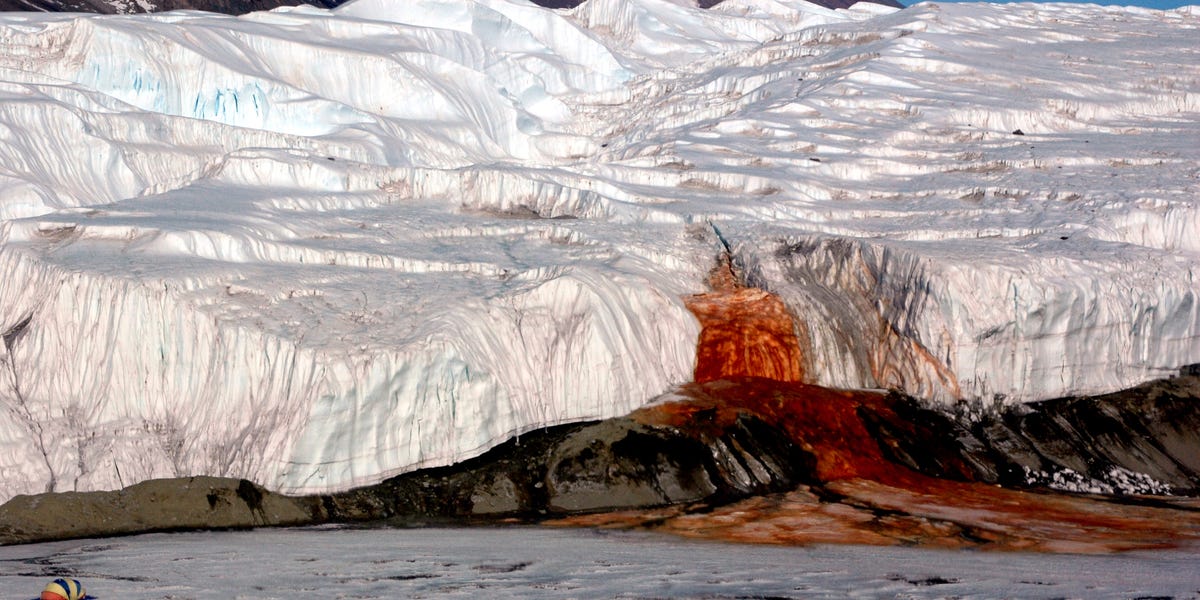
Antarctica’s McMurdo Dry Valleys, among the most extreme landscapes on Earth, are home to Blood Falls, an ominous bright-red waterfall. While previous studies indicate that its eye-catching color appears when oxygen reacts with iron left behind by ancient microbes, a new study unveils the geological processes behind its briny red flow. It turns out Blood Falls serves as a release valve for pressure created by glacial ice above, rock below, and the nearby waters of briny, ice-capped Lake Bonney.
Antarctica’s McMurdo Dry Valleys collectively form one the most inhospitable places on Earth. In fact, it’s so terrestrially miserable there that it’s basically extraterrestrial, as NASA uses the location’s extreme cold and dryness—an area where it hasn’t rained for two million years—as our planet’s closest Mars analog. And also like the Red Planet, these famous valleys are host to their own well-known red-hued display.
First discovered in 1911 by British geologist Thomas Griffith Taylor—whose name now graces the nearby Thomas Glacier—Blood Falls is exactly what its bone-chilling moniker suggests: an icy waterfall with an ominous-and-undeniable red tint. While its unnerving appearance has puzzled geologists—not least among them Taylor himself—for more than a century, scientists haven’t pinned down the exact mechanism behind this glacial gorefest, but a new study in the journal Antarctic Science thinks it might’ve cracked the case.
Related Story
This new discovery dates back to September 2018 when Louisiana State University Baton Rouge’s Peter Doran recorded a “serendipitous alignment” of several sensor readings near the falls, including GPS data on the glacier from which it emerges, thermistor strings measuring the West Lobe of Lake Bonney (WLB), and a time-lapse camera focused on Blood Falls itself.
“This sensor cluster recorded a ~15 mm down drop of Taylor Glacier that was coincident with a Blood Falls outflow event and a cold-temperature anomaly in the WLB,” Doran, lead author of the study, along with his co-authors, wrote. “The serendipitous recording of three different datasets provides a rare, coherent signal of a subglacial brine drainage event.”
So why exactly does this turn Antarctica’s Blood Falls red? Well, in a way, this outflow is almost like a pressure release point for the lake, the overlying glacier, and the underlying rock. The downward pressure of the glacier has created pressurized brine that acts as a “hydraulic brake” slowing the glacier’s movement, according to Wired.
That brine is actually composed of nanospheres containing iron (along with silicon, calcium, aluminum, and sodium), and much like the oxidative engine behind Mars’ famous red color, they lend the glacial outflow a crimson hue.
Related Story
“Although limited in spatial resolution by data coming from only a single GPS station, a single time-lapse camera and a single thermistor string, this synchronous record highlights the importance of multi-sensor monitoring for resolving short-lived but high-impact subglacial processes,” the authors write. “Such events perturb lake temperature stratification and may alter nutrient transport, underscoring the tight coupling between glacier dynamics, subglacial hydrology and ecosystem processes in the McMurdo Dry Valleys.”
So, while Blood Falls’ sanguine origin story is less murderous than it might appear, the iron oxide reaction behind its blood-red color is, fittingly, the very same process that gives the Red Planet its moniker—as if this remote corner of Earth were quietly auditioning for a role on another world.
Built to Work — Under $100

Best Flashlight
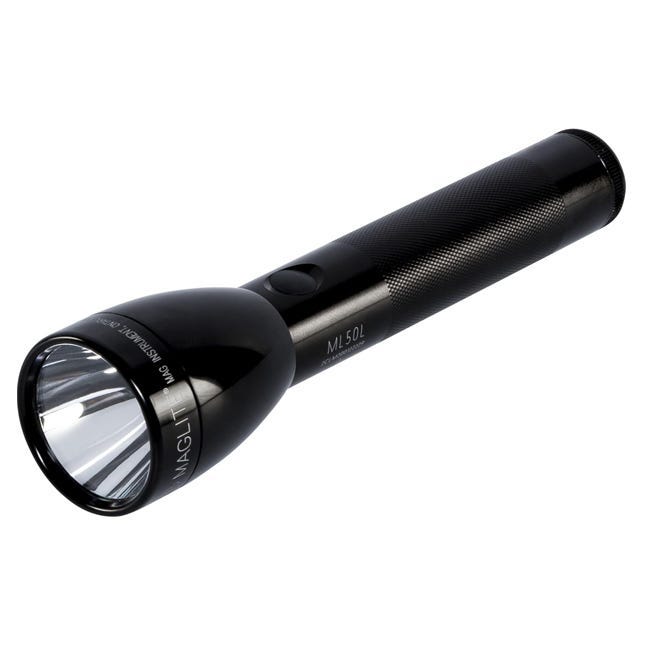 MagLite ML50L LED Flashlight
Best Stud Finder
 BOSCH Wall Scanner and Stud Finder
Now 24% Off
Best Pocket Knife
 Kershaw Iridium Pocket Knife
Best Compact Power Bank
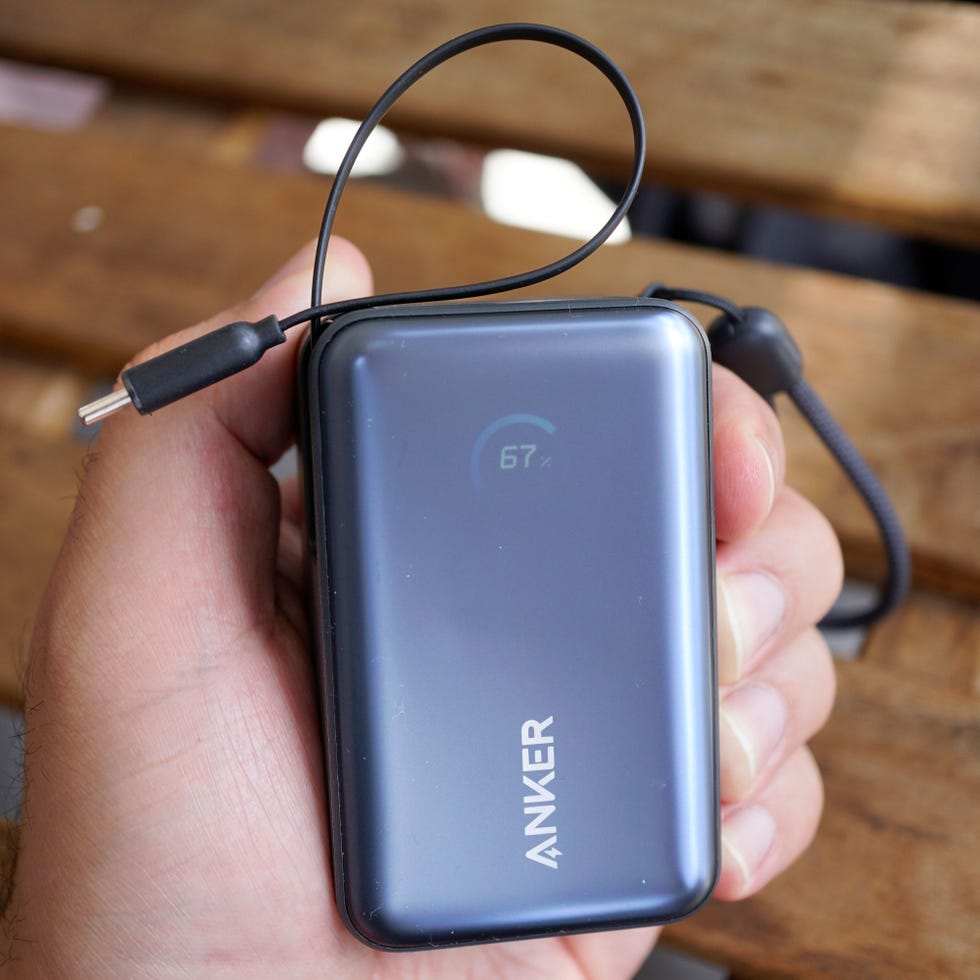 Anker Nano 45W Power Bank
Now 23% Off
Best Budget Bluetooth Speaker
 soundcore Motion 300 Wireless Portable Speaker
Best Value Shop Vac
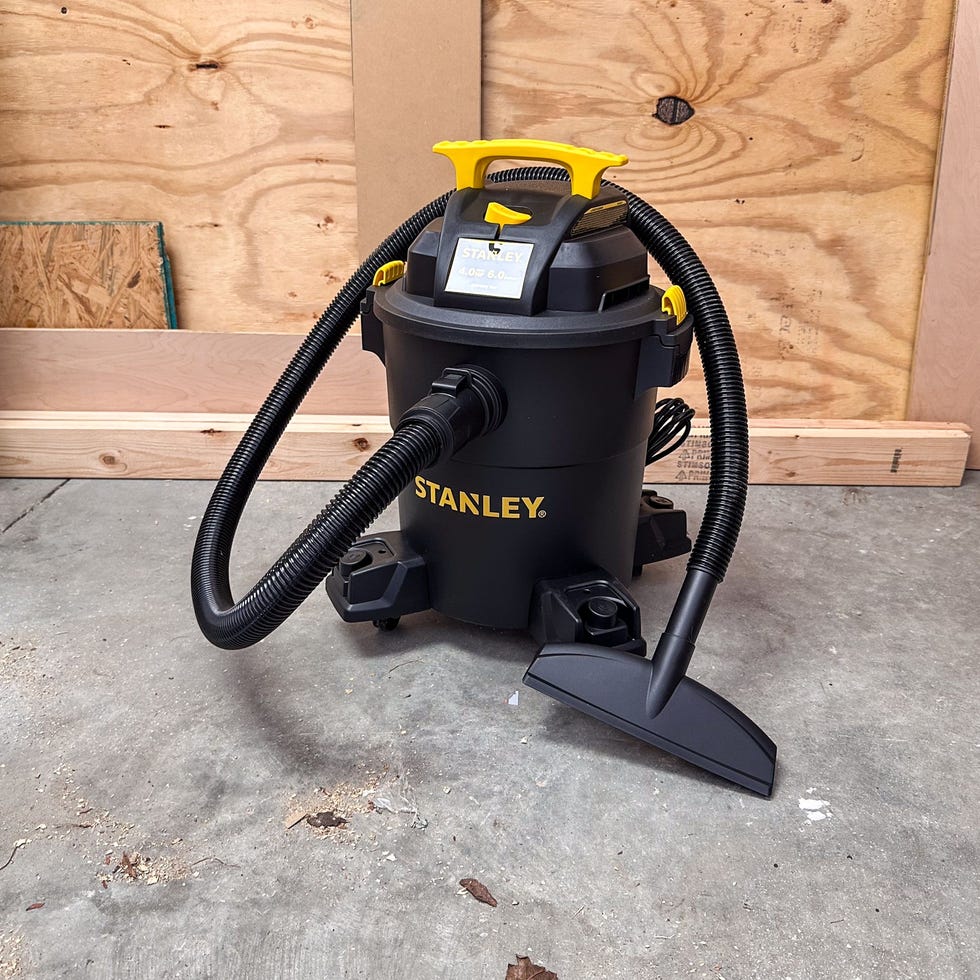 STANLEY Wet/Dry Shop Vacuum
Now 26% Off
Best Slim Wallet
 Serman Brands RFID Blocking Slim Wallet
Now 20% Off

Darren lives in Portland, has a cat, and writes/edits about sci-fi and how our world works. You can find his previous stuff at Gizmodo and Paste if you look hard enough.