
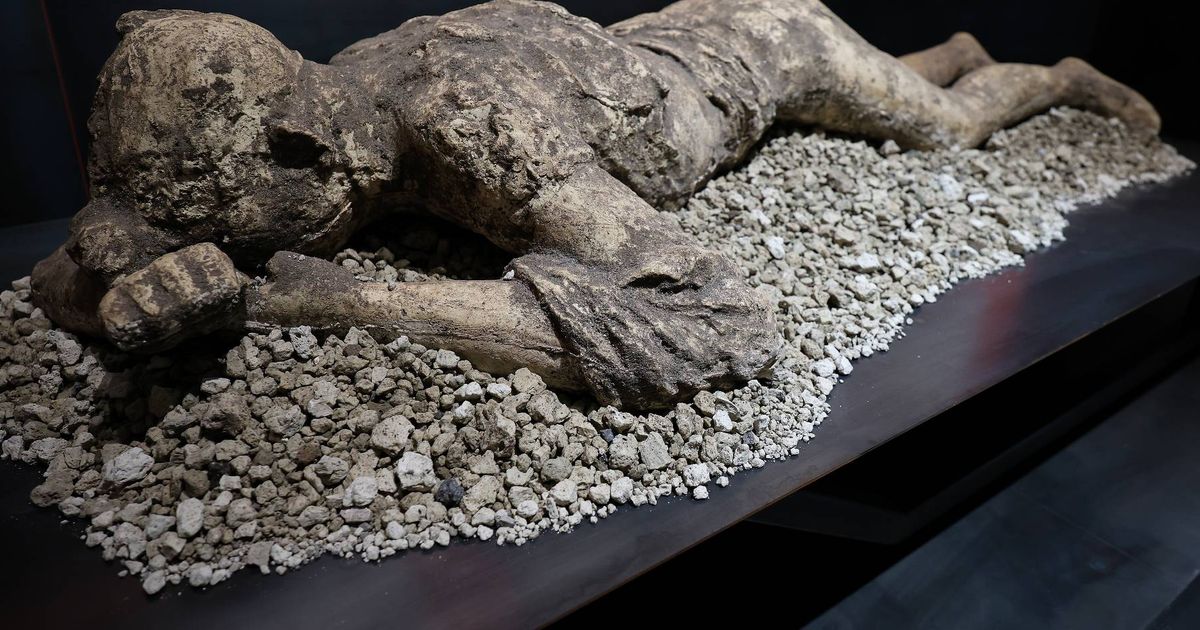
The grand staircase inside Pompeii’s House of Thiasus villa was previously thought to lead nowhere – but it was actually the entry way to an urban metropolis that pathed the way to high rise luxury apartments of today
Emilia Randall GAU Writer
04:00, 06 Mar 2026Updated 09:52, 06 Mar 2026
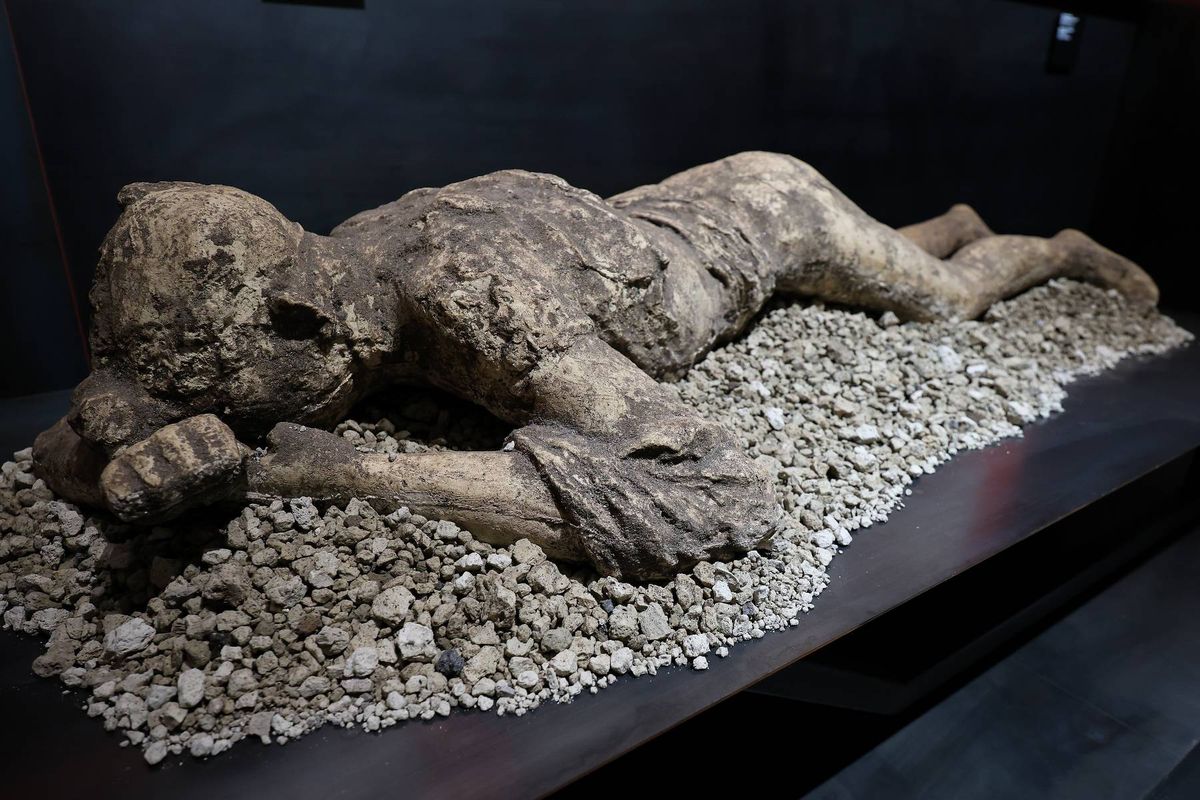
A human cast of a victim of the eruption of Vesuvius in 79 AD(Image: LightRocket via Getty Images)
In a ground-breaking archaeological excavation, experts have uncovered a magnificent staircase leading to a “lost Pompeii” that once housed the Roman elite.
Previously, archaeologists believed the staircase within Pompeii’s House of Thiasus villa was a dead end – but it has now emerged it served as the entrance to an urban settlement that paved the way for today’s high-rise luxury flats.
Yet researchers have established this was in fact the residence of an affluent family. These now-demolished towers would have housed the wealthy, according to Pompei Sites.
“Lost Pompei consists of the upper floors of buildings which are essential to understanding life in the ancient city,” Gabriel Zuchtriegal, director of the Archaeological Park of Pompeii, said.
A team of researchers used digital archaeology to construct models of the super-rich’s villas, demonstrating that Pompeii’s grandest homes probably once featured towers, genuine symbols of power and prosperity, reports the Mirror.
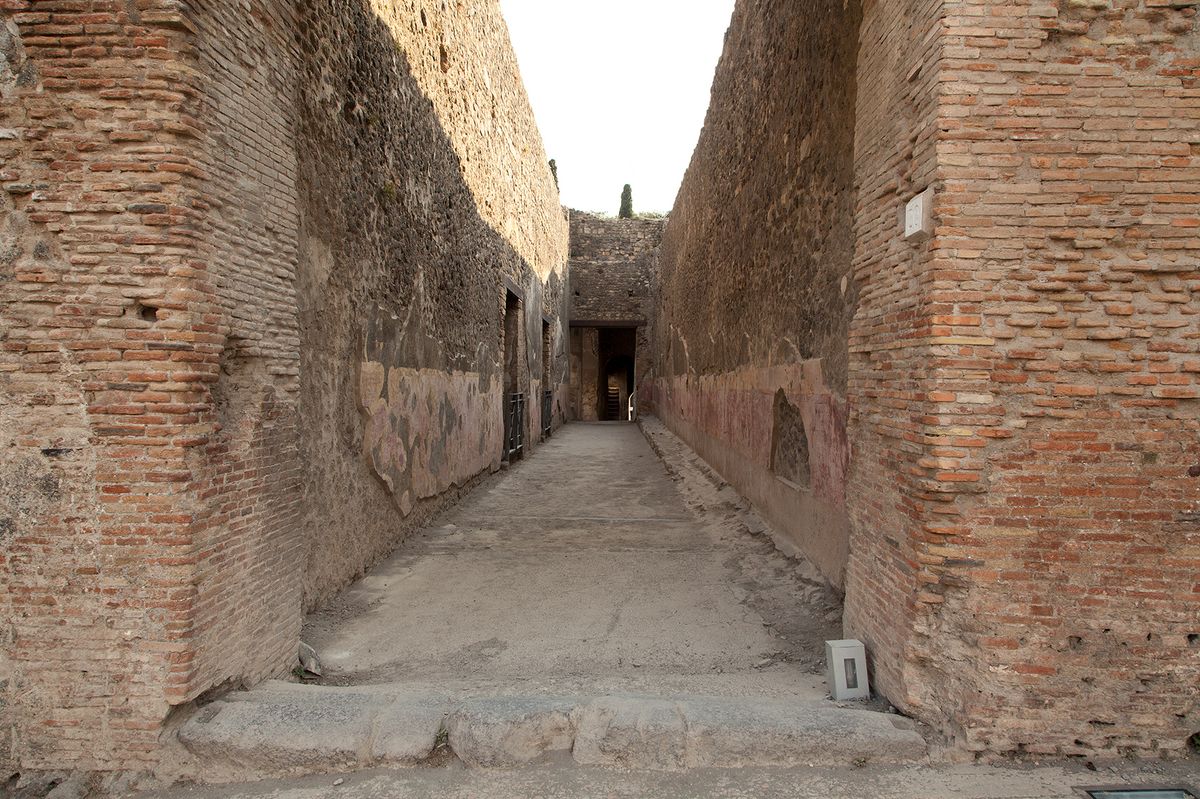
Pompei was a thriving cultural metropolis(Image: EFR-IRAA/AFP via Getty Images)
Zuchtriegal added: “Archaeological research at Pompeii is highly complex. In addition to fieldwork, with excavations that reveal intact contexts of life in the ancient world and new stories to tell about the tragedy of the eruption.
“There is also non-invasive research, consisting of study and reconstructive hypotheses of what has not been preserved, but which completes our knowledge of the site.”
The team from Berlin’s Humboldt University produced reconstructions of the House of Thiasus tower, which were published in the E-journal Scavi di Pompei.
Scientists used state-of-the-art technology to reconstruct the lost city of Pompeii through digital archaeology, revealing previously unknown areas of the ancient settlement before the catastrophic Mount Vesuvius eruption of 79 C.E. obliterated it.
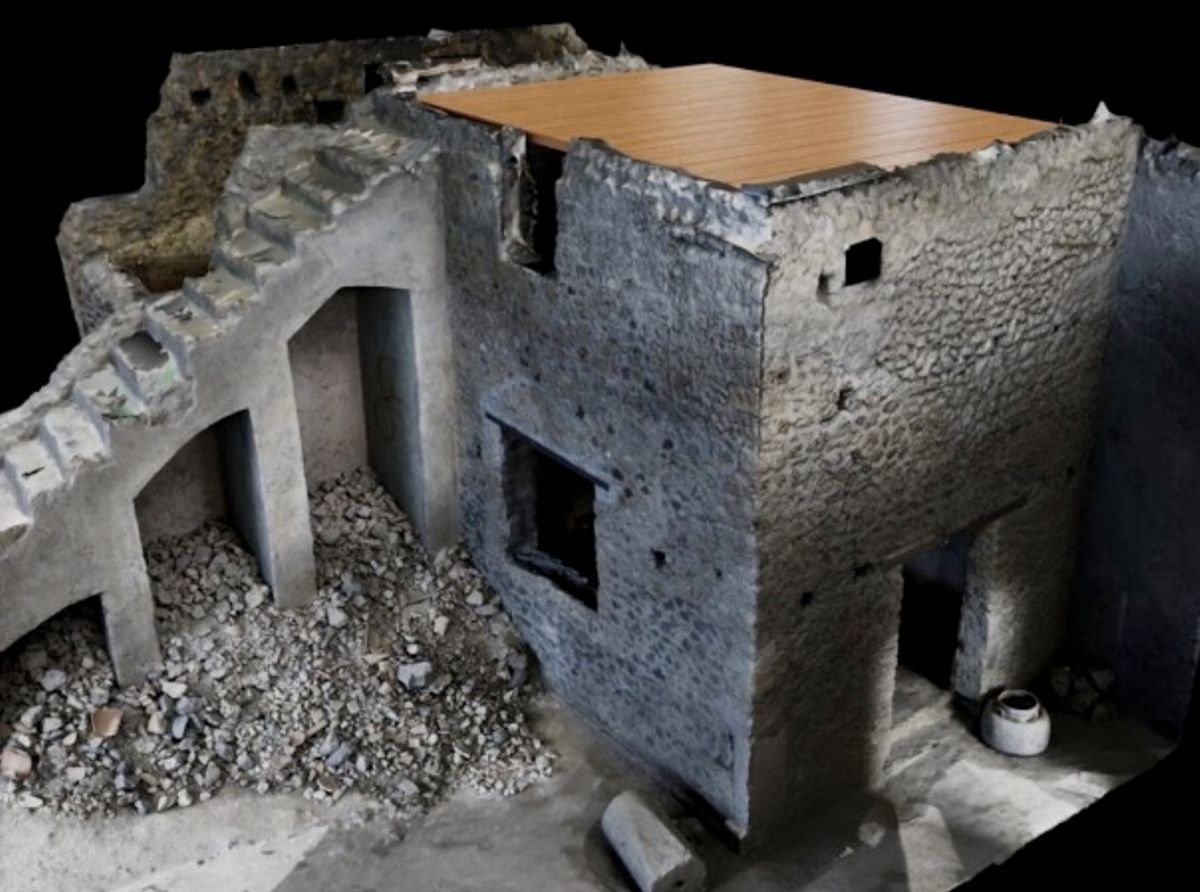
It is thought Pompei could have had tower blocks of sorts(Image: Gabriel Zuchtriegel,)
Experts believe the volcanic ash both buried and safeguarded the structures’ ground floors whilst completely destroying the upper storeys.
Drawing on evidence including disconnected staircases and severed supporting beams, the research team digitally recreated a fresh vision of the ancient city. In this instance, academics determined that the staircase ascended to a tower, allowing affluent residents to overlook the city and the Bay of Naples.
Scientists estimate the tower may have reached heights of up to 40 feet, with the House of Thiasus actually comprising a multi-storey structure.
The research team noted: “The interior of the lower part was simple in its furnishing. This contrasted by the monumental external staircase that leads to the upper floor, suggesting a living space of a more elegant and representative character.
“By putting together the data in the form of a 3D digital model, we can develop hypothetical reconstructions that help us to understand the experience, the spaces, and the society of the time.”