
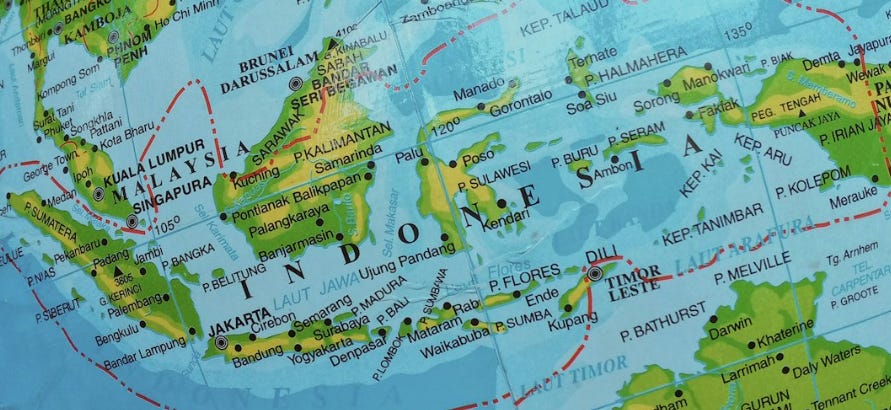
In a follow-up on the measles outbreak in Indonesia, the Ministry of Health worries that increased public mobility and the potential for crowds during the Eid al-Fitr holiday period could increase the risk of infectious disease transmission, especially among children who have not received full immunizations, prompting a reminder to the public to increase their vigilance against measles transmission, which includes vaccination.
As of the eighth week of 2026, 10,453 suspected measles cases, including six deaths, were recorded. Furthermore, there were 45 measles outbreaks in 29 districts/cities across 11 provinces: North Sumatra, West Sumatra, South Sumatra, Banten, West Java, Central Java, Yogyakarta Special Region, East Java, West Nusa Tenggara, South Sulawesi, and Central Sulawesi.
Officials have reported recent declines in measles in February; however, the government continues to respond quickly to prevent further spread.
According to Acting Director General of Disease Control at the Indonesian Ministry of Health, Dr. Andi Saguni, “As the Eid homecoming season approaches, public mobility will increase, and crowds will likely increase. Therefore, the public needs to remain vigilant against measles transmission, especially among children who have not yet received full immunizations”.
As a control measure, the Ministry of Health is accelerating the implementation of the Outbreak Response Immunization (ORI) and the Catch-Up Campaign for measles-rubella (MR) in affected and at-risk areas. This program will be implemented in 102 districts/cities, primarily targeting children aged 9–59 months through March 2026.
Immunization services are carried out through various service points to reach more children, such as community health centers, integrated health posts (posyandu), educational units (PAUD and TK), places of worship, and homecoming service posts.
“We encourage parents to immediately check their children’s immunization status and complete it if it’s incomplete. Immunization is the most effective protection against measles,” said Dr. Andi.