
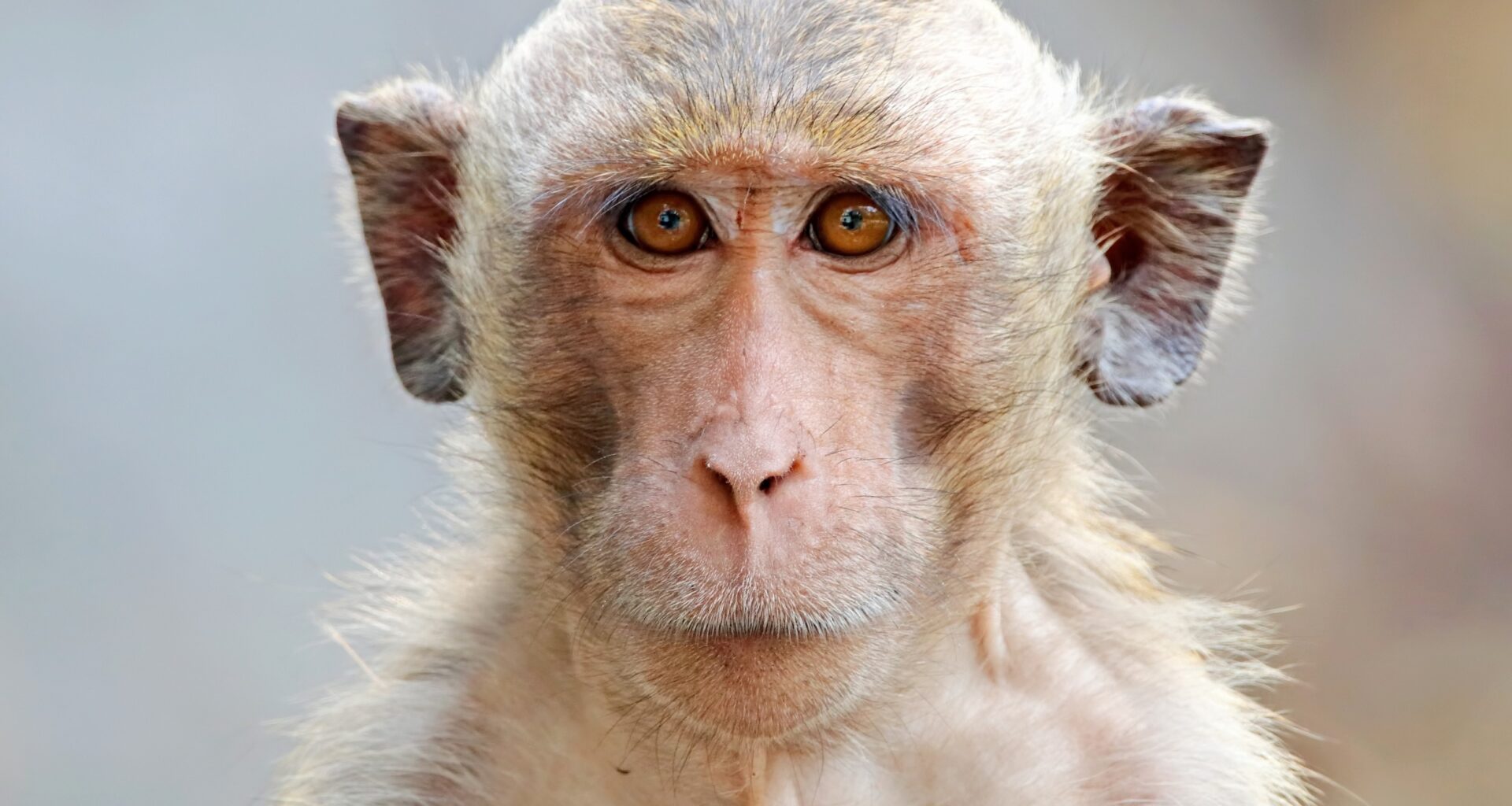
Scientists have discovered that macaque species with more tolerant social systems possess a larger emotion-processing center in the brain.
The finding reframes a brain region long tied to aggression as a core component of how primates manage complex social relationships.
Tolerant macaque brains

Comparisons across macaque brains reveal that species known for more flexible and tolerant social interactions carry a larger amygdala, a brain region that processes emotions and social signals, relative to overall brain size.
Examining these differences, Sarah Silvère at the University of Strasbourg (Unistra) connected variations in amygdala volume to the distinct social styles observed across macaque species.
Patterns across the genus show that tolerant species begin life with larger amygdalae than their more combative relatives.
That early contrast raises a deeper question about whether these neural differences arise from inherited biology, lifelong social experience, or both.
Macaque social styles
Primatologists already sort macaques into four social grades based on how often fights end with friendly contact.
Across the roughly 25 species in the macaque genus, some groups run on strict rank rules and quick retaliation.
More tolerant species show looser hierarchies, more repair after clashes, and social ties that change depending on the moment.
The team organized these social traits into three themes: maintaining relationships, controlling impulses, and navigating the unpredictability of everyday social life.
The amygdala reads emotions
Deep in the brain, the amygdala, a cluster that tags emotion and social cues, helps primates judge faces and intentions.
Signals from the amygdala extend to memory and control circuits, allowing the region to either dampen reactions or intensify them.
In humans, larger amygdala volume has been linked to bigger social networks, tying anatomy to everyday relationship load.
Results from captive macaques showed that social group size reshaped circuits connected to the amygdala.
Tolerance linked to brain size
Based on 42 brain MRI scans, Silvère ranked each species by social grade and compared volumes between the ends of the scale.
Species at the tolerant end carried more amygdala tissue relative to brain size, even when overall brains were larger or smaller.
Even after accounting for age and sex, the link between amygdala size and social tolerance remained consistent across species.
The pattern suggests this brain region may help primates interpret complex social signals – rather than serving only as a center for aggression.
Scans of the hippocampus
The hippocampus, a region that stores context for memories, did not match social grades as cleanly.
During ages 13 to 18 years, low-tolerance species showed smaller hippocampus volumes compared with more tolerant relatives.
Outside that window, the differences stayed hard to pin down, and the scans never favored intolerant species.
Still the pattern hints that social learning periods may matter most for this memory system, rather than tolerance alone.
Brain aging in the macaques
Age did not simply add more brain tissue, because tolerant and intolerant species traveled in opposite directions over time.
In grade one species, the amygdala started smaller and grew, while grade four species began larger and declined.
Around 19 years, the gap between the ends of the scale faded as the curves moved closer together.
Because older brains were scarce, that late-life overlap needs stronger data before anyone treats it as a rule.
Do monkeys learn social tolerance?
Signs in young brains point to inherited wiring, yet social settings can still steer behavior and brain growth later on.
When mothers from one species raised infants of another, the young monkeys adopted the tutor species’ conflict habits.
“We wanted to understand how variation in brain structure volume is linked to social tolerance, and whether this is an innate feature or acquired through socialisation within more or less tolerant social environments,” said Silvère.
Seen across ages, the question fit new curves, where social life seemed to shape the rate of change, not just the starting point.
Conflict skills in brain
Behavior that looks tolerant often demands more self-control, because animals must track partners and hold back during tense moments.
Signals in the amygdala flow into regions that plan actions, so extra capacity may help prevent impulsive fights.
“Larger amygdala in socially tolerant species may reflect an enhanced capacity to process complex social information, facilitate better social interactions and manage conflicts,” said Silvère.
For now, the interpretation stays tentative, but it pushes against the idea that the amygdala mainly fuels aggression.
Future research directions
Rare species and uneven ages limited the dataset, because researchers could not sample every stage of life evenly.
Most brains came from animals that died naturally or accidentally, so diets, stress, and group life varied widely.
Whole-amygdala measurements hid its internal parts, leaving open which connections drove tolerance patterns across species.
Long-term MRI scans paired with behavior records could test whether social experience rewires the brain, or only reveals early differences.
A link between brain volume and social tolerance now looks measurable across species, not just within one well-studied monkey.
Better data on living animals, especially repeated scans across development, could show how social life shapes that link over time.
The study is published in the journal eLife.
—–
Like what you read? Subscribe to our newsletter for engaging articles, exclusive content, and the latest updates.
Check us out on EarthSnap, a free app brought to you by Eric Ralls and Earth.com.
—–