
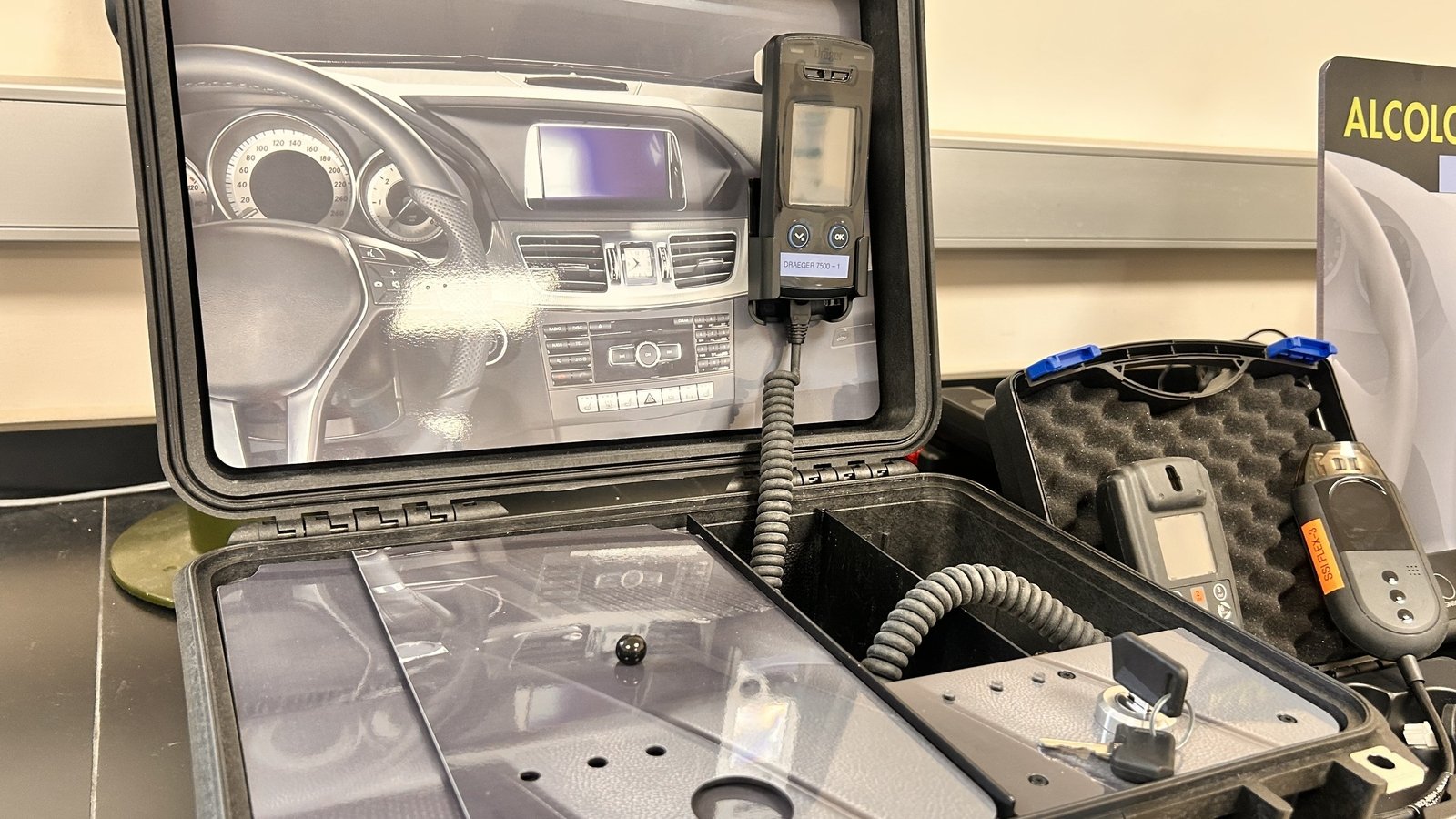
The head of the State’s medical bureau, which tests for drink driving, has called for changes in the law to allow the courts to direct repeat offenders to install breathalysers in their cars.
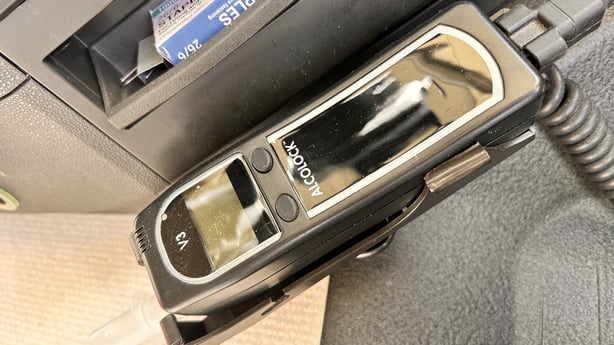
The small breath-testing machines, known as ignition interlock devices, prevent motorists starting their vehicles if they are over the limit for alcohol consumption.
Professor Dennis Cusack, Director of the Medical Bureau of Road Safety, has described the devices as a “game-changer”, saying alcohol is a contributory factor in about 30% of all road traffic crashes.
“We still have a big drink-driving problem,” he says. “We know that there were over 300 drivers who had samples sent in by the gardaí, having been arrested more than twice, and some of them were up to 10 or 11 times over [the limit] for both alcohol and drugs.
“It would appear that there’s a group of drivers out there who may have a serious alcohol addiction problem. If we can’t stop the driver, then let’s stop the car.”

Professor Dennis Cusack said 30% of crashes have alcohol as a contributory factor
Prof Cusack said all new cars manufactured in the EU since 2022 are capable of being fitted with the devices.
“This is a game changer. This is a win-win situation. If 30% of road traffic crashes have alcohol as a contributory factor, if we can stop most of those drivers with alcohol starting their car, their truck, their lorry, then it will have a huge impact on road safety.”
The devices require the driver to blow into the machine using a mouthpiece. If the presence of alcohol above the limit is detected, the engine won’t start.
The Department of Transport said it is currently considering recommendations on their use.
It said the minister responsible, Sean Canney, is working on ways in which ignition interlock devices may be rolled out and that one such way being may be their installation in companies with large fleets on a voluntary basis.
The department also said the minister “strongly agrees” with the idea that courts should consider insisting on the devices for drivers who have been previously convicted of drink-drinking before they are allowed back on the road.
However, it acknowledged that making the machines mandatory would require changes in the law.
Prof Cusack said the sooner that happens the better, noting too that the technology has been in use in other European countries for some time.
“It will require changes in the law,” he said. “It will require the courts to be able to impose these devices on certain drivers, and maybe in the next ten years or so, it may well be that every car will have such a device fitted.
“Just like the rear-screen heaters and radios, which weren’t in cars years ago, they’re not in cars yet, [but] they may well become standard, so that no driver in Ireland will be able to start a car or a truck or a lorry with alcohol on board.”
There are a number of transport companies in Ireland that already use the devices on a voluntary basis.
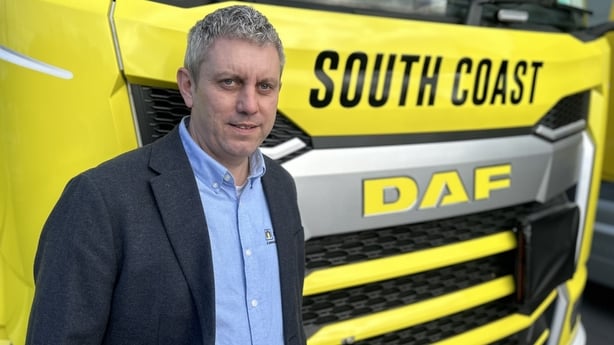
Damien Healy said South Coast Logistics are trying to prevent drivers making ‘a slip-up’
Among them is South Coast Logistics, based in Fermoy, Co Cork.
Damien Healy is South Coast’s commercial director. He has around 90 trucks on the road and over a quarter of them are fitted with interlock devices.
“We’re always trying to improve and work at the forefront of safety,” he said, describing the machines as an “extra layer of comfort”, knowing that “every driver that gets into a truck is legally able to do so”.
“We always trust and engage with employees. But when you’re dealing with in excess of 100 drivers, operating 365 days a year, someone could make a slip-up. So we’re trying to prevent them from doing that, because we value drivers and public safety as much as anything else,” said Mr Healy, who also runs a sister company that supplies the devices.
The representative group for Ireland’s private bus operators, the Coach Tourism and Transport Council of Ireland (CTTC) said it welcomed any initiatives designed to improve road safety, adding that some of their members already have interlock systems installed.
It also said that the cost of installation, estimated at around €1,500, and maintenance, could prevent small operators from using the devices.
The CTTC said it would “welcome the opportunity to engage with the minister and the Department of Transport to explore how we could make the use of such equipment more widespread across the industry”.