
Food prices and energy costs could go up “dramatically” due to the war in the Gulf, a Minister has said.
Minister of State for European Affairs Thomas Byrne also signalled that the Government would be open to examining supports for those hit by higher costs, suggesting an assessment of that would be done “over the next week or so”.
Byrne told RTÉ’s The Week in Politics programme on Sunday there was an “unprecedented global situation” at play, saying “it may well be that the Government will take action” on the cost of living.
Several Coalition sources downplayed the possibility of any assessment being completed in the next week, and suggested specific support packages had not been discussed. Nonetheless, there is a recognition within the Coalition that the longer the conflict goes on, the more pressing a case for intervention becomes.
Widespread use of energy credits, as deployed after the 2022 invasion of Ukraine by Russia, is not being countenanced, but one senior source said simple measures such as the extension of the fuel allowance season could come into the reckoning.
A Cabinet Minister said if consideration were given to a package of supports, targeting them to vulnerable cohorts would be a “first principle” of anything agreed.
Byrne talked down the prospect of a measure such as a VAT cut, which he suggested would not benefit people directly, and said the planned increases in the carbon tax would go ahead to fund the fuel allowance and retrofit programmes.
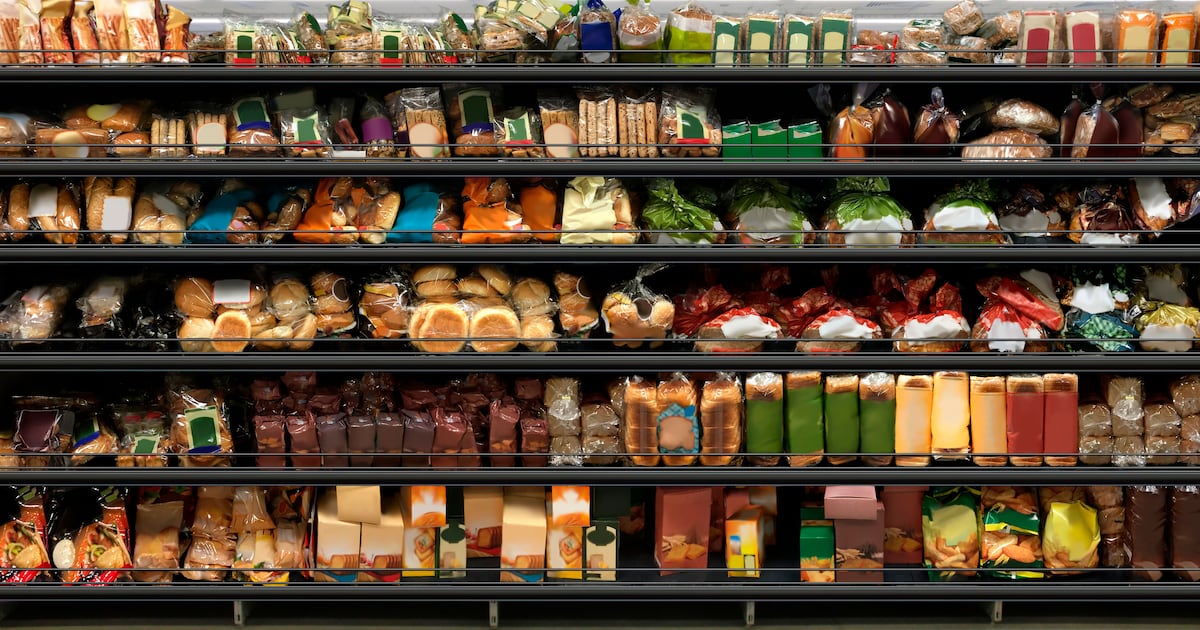
“Clearly prices have gone up. They may well go up dramatically again, and it won’t just be fuel and electricity, it could be food supplies, etc,” Byrne said on Sunday.
The Government has asked the Competition and Consumer Protection Commission to examine the retail fuel sector for anticompetitive activity and the claims “price gouging” is at play. Retailers have pushed back, rejecting any suggestion of price fixing and blaming surging wholesale costs for increases to diesel, petrol and kerosene bills.
A senior Coalition source said on Sunday it was important to take time to examine the impact of the war on prices, warning that interventions themselves could add to inflationary momentum in the economy, and that energy credits are clearly not the answer as warmer weather comes.
The Government is also minded to see what the EU view is on interventions, with sources pointing to existing fiscal rules that, they said, may need a “brake” applied by Brussels if supports are agreed.
Tánaiste and Minister for Finance Simon Harris is due to meet his euro zone counterparts today in Brussels, where these issues are expected to be discussed, before meeting EU finance ministers later in the week.
Meanwhile, the Government is to hold its weekly meeting on Monday as ministerial St Patrick’s Day travel programmes get under way. In addition, Minister for Public Expenditure Jack Chambers will seek approval to unwind emergency recession-era legislation that reduced public service pay and pensions during the crash.
The Financial Emergency Measures in the Public Interest Acts were brought in during 2009 and 2015, and are being unwound as part of the current public sector pay agreement, with new legislation planned to transition public service pay away from emergency laws and towards a more standard legal framework.
Minister for Agriculture Martin Heydon will bring a memo on forestry on behalf of junior minister Michael Healy-Rae. The midterm review of the forestry programme 2023-2027 says 2,527 hectares of new forests were planted last year. The review examined how to amend existing schemes to improve their performance.