
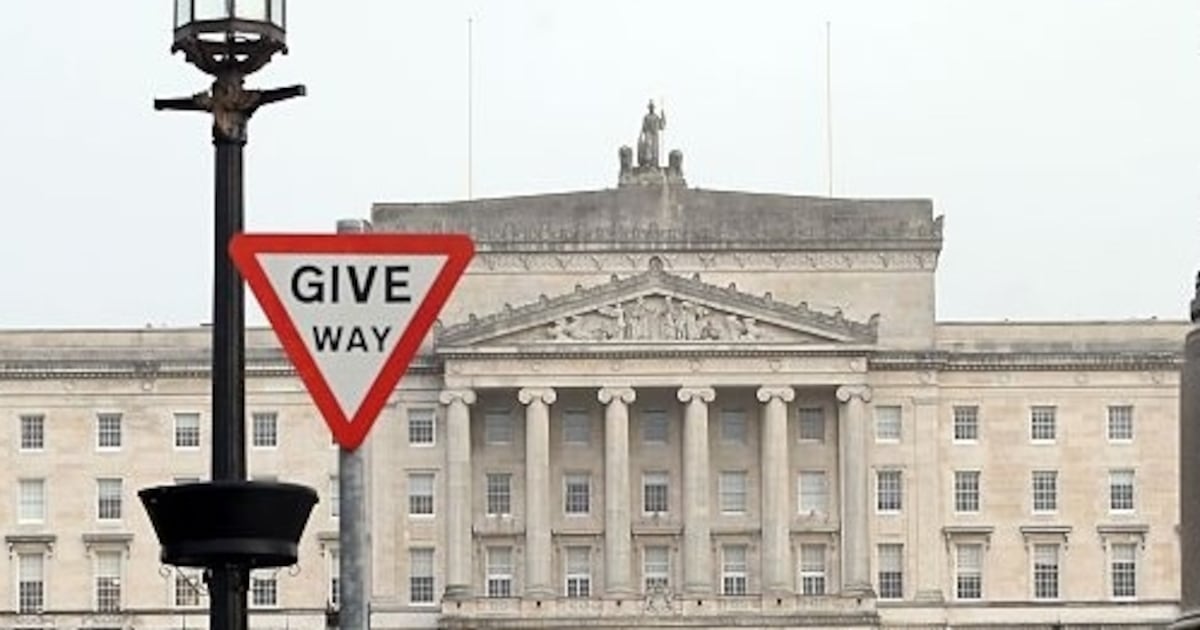
Stormont cynics are easy to find and they have plenty to talk about. Political point-scoring is once again on the rise, with the Executive parties spending more time and energy underlining divisions than on finding common ground.
Policy crises pile up. There is a growing public sense that government in Northern Ireland is ineffective, or even unworkable. The Executive and Assembly have had a hugely disappointing decade.
But Stormont has worked well at times before. With the right commitment from leaders, it can do so again. But it requires unity, joint accountability and common purpose among ministers and parties.
The Northern Ireland Assembly and Executive returned in February 2024 following a two-year collapse. This return came with a sense of positivity and enthusiasm.
Members of the Stormont Assembly from different parties recognised the absence of government had been corrosive. Commitments were made to jointly address a growing list of policy concerns.
Schools faced a budgeting crisis and large gaps in provision of special educational needs. Environmental reforms lagged behind schedule, while public infrastructure was beset with challenges.
A draft Programme for Government was published in September 2024 and finalised in March 2025. Though not without its flaws, it marked a big step forward.
Its nine headline priorities struck a chord with the public, including reducing health waiting lists, building more homes and ending violence against women and girls.
Since then, there has been some good work, such as a draft Early Learning and Childcare Strategy as well as a public pay deal that avoided industrial action. Additionally, Ulster University’s Magee campus expansion in Derry pushed on.
[ DUP’s crackdown on welfare fraud in Northern Ireland should be just a first stepOpens in new window ]
In the coming year, the chance to craft the first multiyear budget in a decade provides an opportunity for strategic planning. Whatever Stormont cynics say, having a government in place is clearly better than the alternative.
Unfortunately, simply being better than a state of collapse is not good enough. In recent months, the early positivity of the latest version of Stormont has fallen away.
Mandatory coalition needs trust, leadership and good faith – especially among politicians with very differing views. If those diminish, progress on serious issues slows down.
In recent months, Minister for Finance John O’Dowd’s proposed multiyear budget was immediately rejected by other parties. Several ministers have complained about policy papers being blocked from Executive discussion.
Meanwhile, agreement has still not been reached on the long-overdue investment strategy on infrastructure and capital spending. And public services remain poor.
The number waiting for a first consultant-led hospital appointment is now more than 540,000, with 55 per cent waiting over a year. Fifty-thousand people are on the social housing waiting list. House-building is failing to meet targets. The Police Service of Northern Ireland is overstretched.
[ Economic inequality is worsening in Northern Ireland, report saysOpens in new window ]
These issues affect everyone but, as always, the most disadvantaged are the ones who suffer the most.
Some of the biggest issues lack even a plan. The wastewater and sewage crisis is blocking new housing and business plans across all of Northern Ireland. There is no clear strategy to boost economic growth.
Mandatory coalition is not easy. Even if relationships between different ministers and parties were in a much better place, governing Northern Ireland would still be a challenge.
Every problem is both large and interconnected. Budgets are pared to the bone. Next year’s budget barely increases in cash terms, let alone inflation. And it will be worse off once this year’s overspending is deducted.
More of the same from Stormont will not work. Overspending next year could run to £1 billion (€1.15 billion). Providing good-quality public services within these budgets is unaffordable unless those services undergo substantial reconfiguration.
Unfortunately, this Executive is not willing to transform services quickly. Everything will be worsened, too, by demographic pressures that will increase demand for services, especially health and social care.
The funding pressures for the next few years are unprecedented. The best way forward involves an Executive that makes tough decisions about efficiency savings and long-term reforms.
Let there be no illusions – Northern Ireland’s problems are massive and difficult. The size of the challenges only makes the need for the best possible government more acute.
It will be virtually impossible to agree strategies and action plans for these difficult issues without a shared sense of purpose and commitment around the Executive table.
Too much time and energy is wasted today on fuelling political divisions rather than finding solutions. Somehow, ministers must rediscover the spirit of compromise that underpinned the Belfast Agreement.
Research by Pivotal on Stormont’s budget and performance leads us to argue that delivering improvements to public services must be the priority. Long-term planning must also improve significantly.
Ministers need to not only focus on the priorities agreed in the Programme for Government; they must also demonstrate how meeting those commitments is helping the public in a meaningful way.
[ Fading trust hitting Stormont’s ability to deliver, report saysOpens in new window ]
Public service reform should have happened a decade ago. It did not, but it must happen now. And it must be put under the charge of a properly backed senior figure, with a track record of delivery.
Such a figure should have the power to lead wide-scale transformation with full, public support from the Executive and from the senior civil service leaderships in government departments.
Many departments have no visible plans for change. The reorganisation of Northern Ireland’s hospital service has been official policy for a decade or more but nothing has been done.
The list of things that need to change, and quickly, is long. It includes sewage, low productivity, crippling poverty rates, the construction, or lack of it, of the A5. Stronger environmental protections are desperately required.
As difficult as all this sounds, the Executive needs to step up and agree credible plans. The budget is the foundation on which all else will rest.
Past successful governments had strong leadership, trust and a commitment to improve the lives of people. With 15 months until the next election, this Executive must focus on what unites, rather than on what divides.
By changing course and showing people they can work together for the greater good, they can restore trust in themselves and the institutions, while improving everyone’s lives. If they fail to do that, the cynical voices will grow louder.
Ann Watt is the director of the Belfast-based independent think tank Pivotal