
Every morning Mick and Suzi Evans take a moment to enjoy a cuppa and check in before a busy day on the farm.
It gives the pair a chance reflect at their property at Mantung in South Australia’s Riverland and start the day with a smile.
Last September that routine was put on hold, when Mick suffered a suspected heart attack that left him “effectively ramped” at the Waikerie Hospital for almost three days.
“I got up during the night and went to the toilet and when I got back into bed, I got a fairly heavy feeling across my chest,” Mick said.
“I woke up Suzi and she called the ambulance and they took us to Waikerie Hospital where they did all sorts of tests.”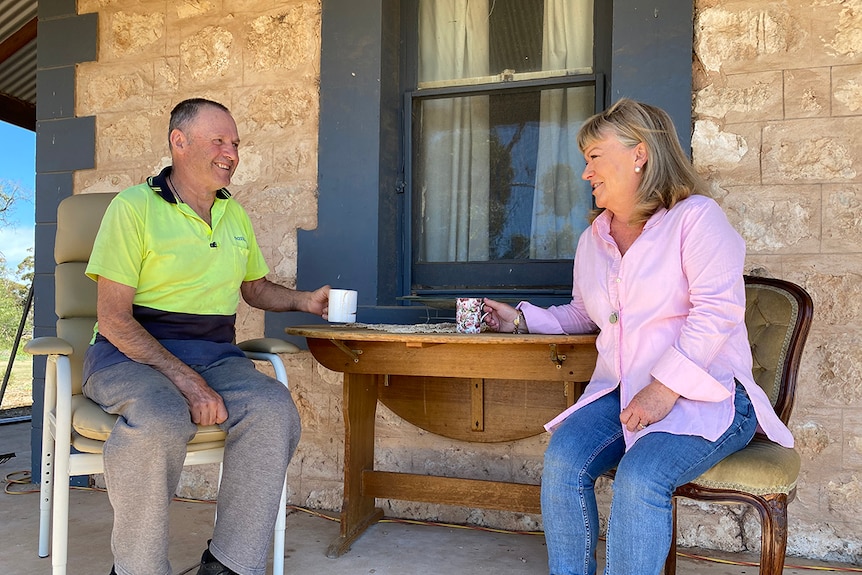
Mick and Suzi Evans always make time for a cuppa in the morning to check in with one another. (ABC Riverland: Anita Ward)
Mick said he was left “stranded” after an airlift request was continually cancelled, with no available beds at the Royal Adelaide Hospital.
“I had to wait hours for the next blood test which came back elevated, so they kept me in hospital with the idea of going to Adelaide,” Mick said.
Your Say: Tell us what matters to you this SA election
“The flights kept on getting diverted; they kept coming back and saying no, it’s been cancelled.”
On his third day in hospital at Waikerie, Mick woke to the news he would be transferred to Ashford Hospital in Adelaide.
Mick said once the process began, it was relatively quick and he was being seen to later that day.
“It was a quick flight, it doesn’t take long and the care you get is incredible. I can’t speak highly enough of the hospitals and the ambulance and the flying doctor,” he said.
It was confirmed that he had suffered a mild heart attack.
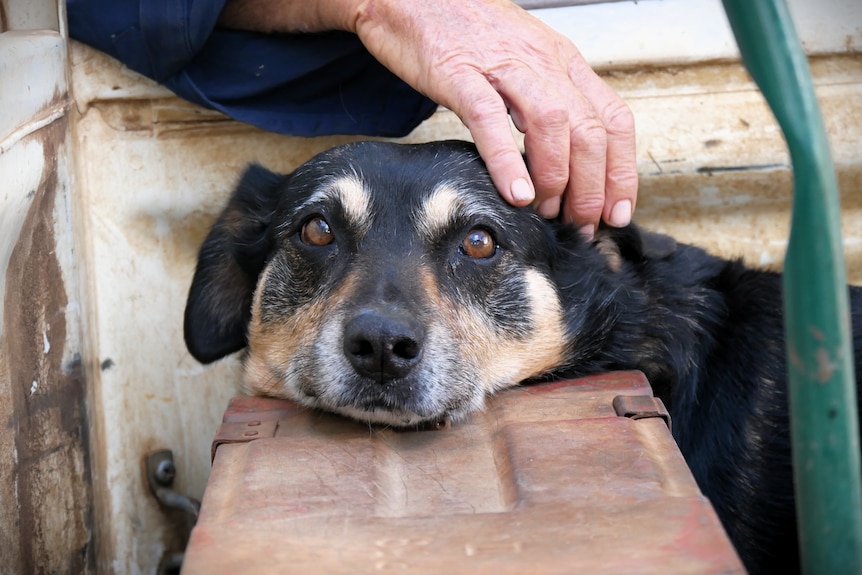
Mick Evans was made to wait three days at a regional hospital waiting for the transfer. (ABC Riverland: Amelia Walters)
A long way to travel
Suzi and Mick live almost 70 kilometres from the nearest hospital in Waikerie; it’s a round trip Suzi made every day while Mick remained in hospital waiting for a flight to Adelaide.
“We understand that we’re not in the city and the hospital’s not just around the corner,” she said.
“I’m paying for this extra private health cover so that we can take the pressure off the public system but it still didn’t really help us.
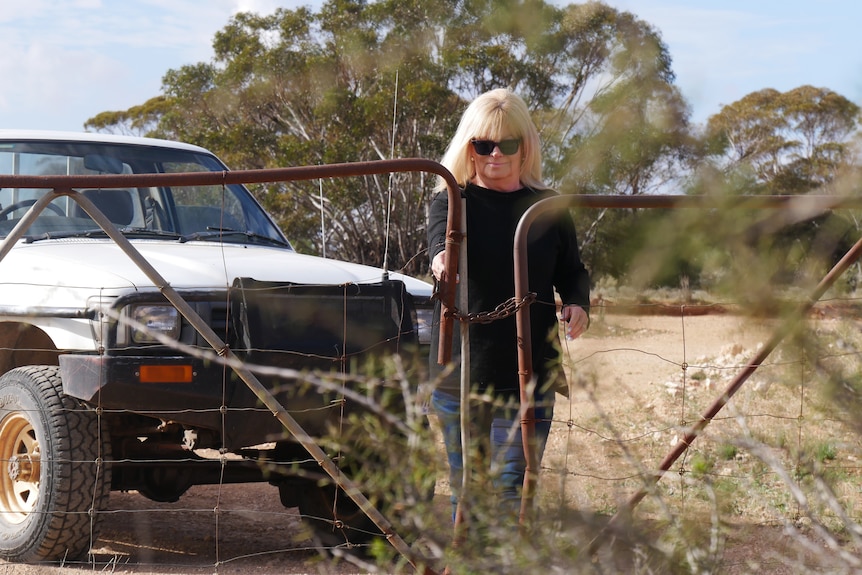
Suzi Evans drove more than 100 kilometres every day to visit Mick in hospital while he waited for a transfer. (ABC Riverland: Amelia Walters)
“We found a private cardiologist, but we still couldn’t get there. I just felt frustrated.”
While Mick Evans’s flight was cancelled multiple times, the Royal Flying Doctor Service said it did not have autonomy to make decisions about patient transfers.
The RFDS said decisions on transfers were made in partnership with SA Health, under a contract managed by the SA Ambulance Service (SAAS), which was renewed last year and has increased operations by an additional crew at all times.
The SAAS said decisions about flight planning included a number of factors such as how urgent the patient transfer was and the ability to maximise aircraft use.
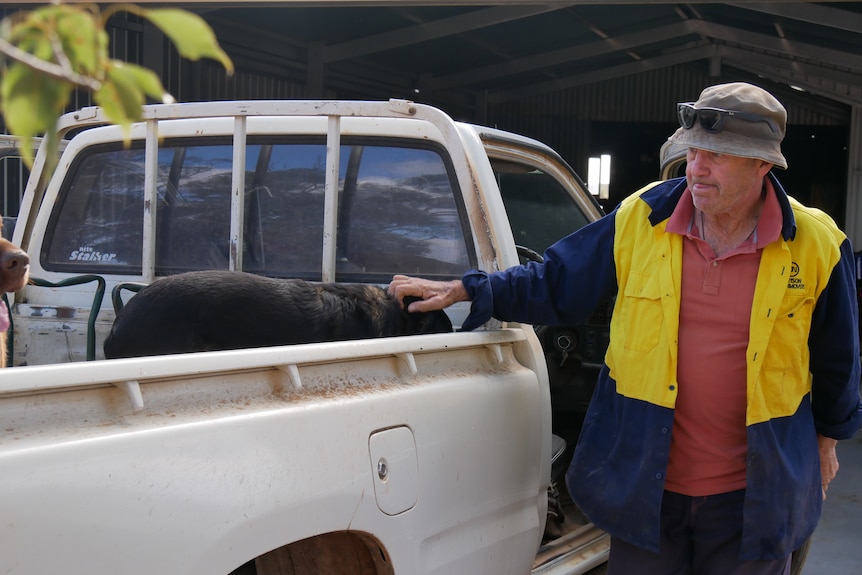
Even at 70, Mick Evans keeps very active on his farm in SA’s Riverland region. (ABC Riverland: Amelia Walters)
The SAAS said aircraft availability and flight planning also played a role in patient transfers, which were “not generally cancelled”.
Although where clinically safe, it did acknowledge some less urgent cases may be delayed to ensure more serious cases were attended to.
Investment needed in regional areas
Ramping has been a statewide issue since the Labor party’s 2022 election victory, with an average of more than 3,800 hours lost to ramping in major SA hospitals every month since April of that year.
It’s something the party promised to fix ahead of the last state election, which helped it win back government at a time when health was on the minds of many voters.
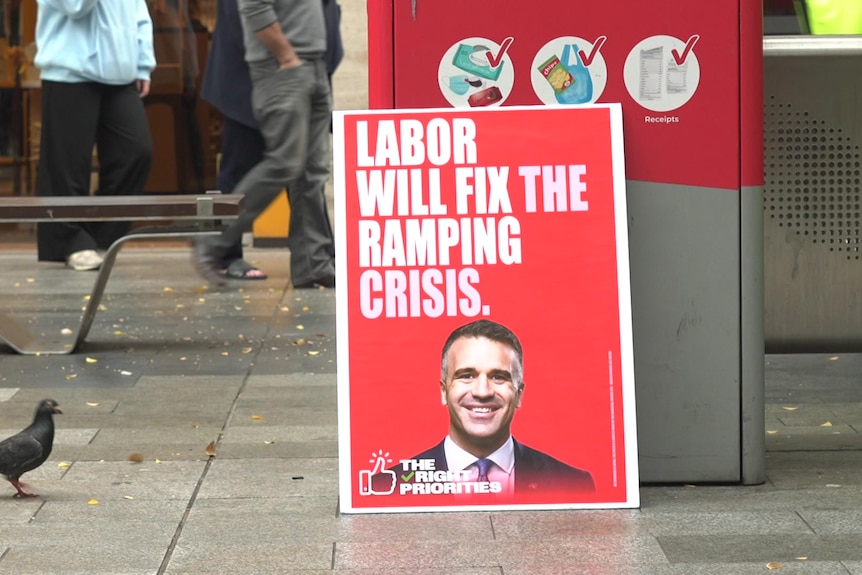
Ahead of the 2022 South Australian election, Labor put up posters with a message identical to this one. (ABC News)
South Australia’s Liberal leader Ashton Hurn said her party would improve ramping if elected later this month.
“My promise is that we will make it better through having a system-wide approach to health, making sure that you can get in to see a GP, making sure that we’ve got the requisite workforce that’s required,” she said.
To date, the SA Labor party has not committed to any ramping targets ahead of the 2026 state election.
Mick said he was disappointed ramping remained such a key issue in South Australia.
“[The government] should invest in regional hospitals, so unless it’s really, really urgent, country [people] don’t have to be taken to Adelaide,” he said.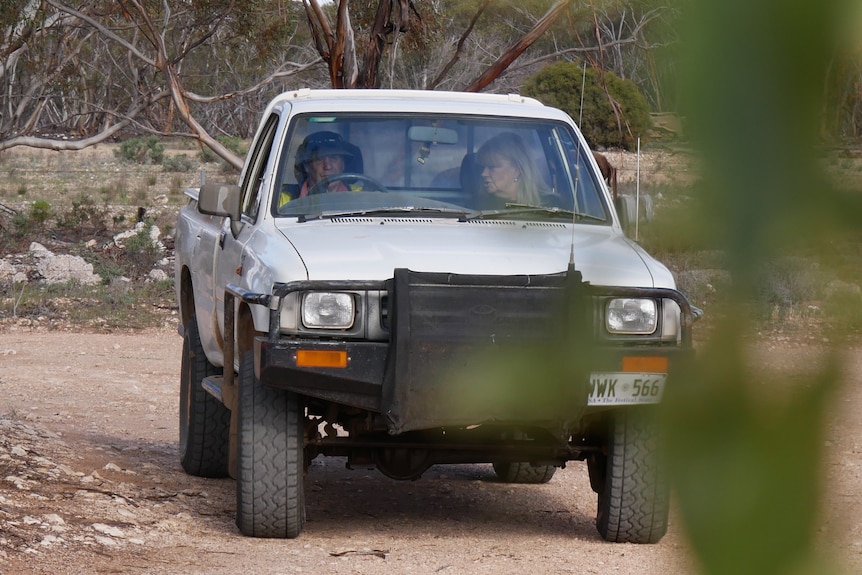
Suzi and Mick Evans are both frustrated ramping remains such a big issue in South Australia. (ABC Riverland: Amelia Walters)
“The premier and the government got elected to fix all this stuff; that was one of their key election promises.”
SA Health said the health and safety of its patients is a high priority but some might have to wait longer during busy periods or if other patients presented with more urgent medical needs.
However, it maintains patients are closely monitored and there is an escalation pathway in place if their condition changes.
Safety issues also delayed the reopening of six regional hospital helipads in SA last year, despite the state government investing $23 million into the project.
Suzi’s work as an advocate
Mick and Suzi understand there is no simple fix for the ramping crisis, but want to see more investment in regional areas to help ease pressure on the healthcare system.
Suzi has spent the past eight years working as a mental health advocate, after tragically losing her son Murray to suicide in 2018.
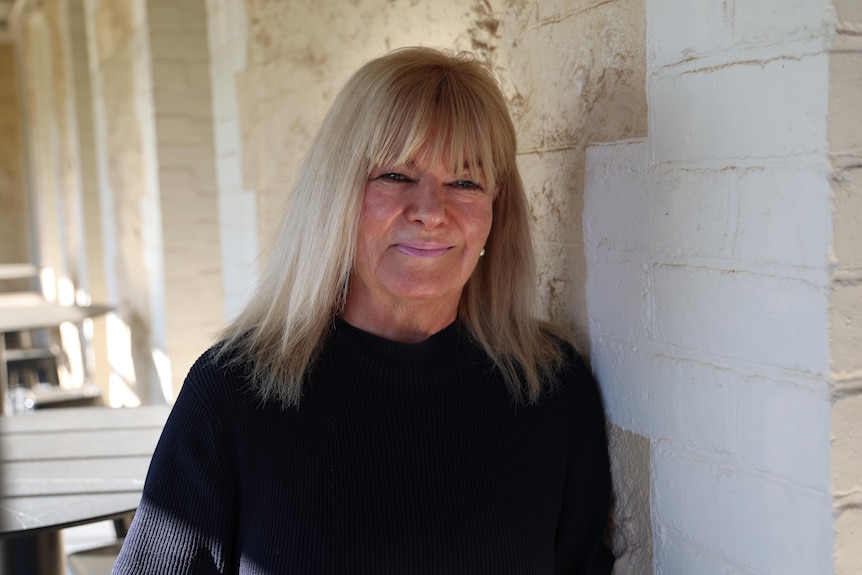
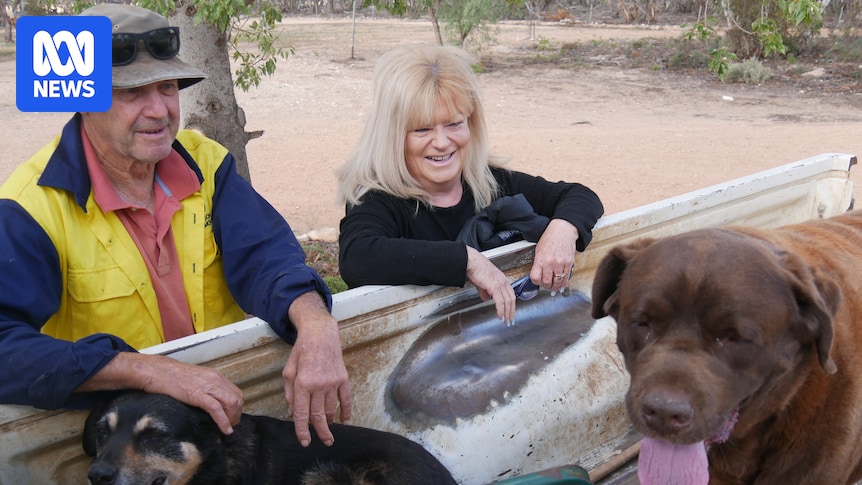
Suzi Evans wants to see investment in regional healthcare services to ease pressure elsewhere. (ABC Rural: Jessica Schremmer)
“In rural areas, we can wait four to six weeks to get a GP appointment, to get a mental health care plan if you need one,” Suzi said.
“Whether it be mental or physical health, I think people are actually being stopped from seeking help because they think it’s too hard or too difficult.”
Mick also wants to make sure no-one else living regionally has to experience what he went through.
“I’m 70 now, the older you get, the more you realise we need better health set-ups in country areas,” he said.
Loading…