
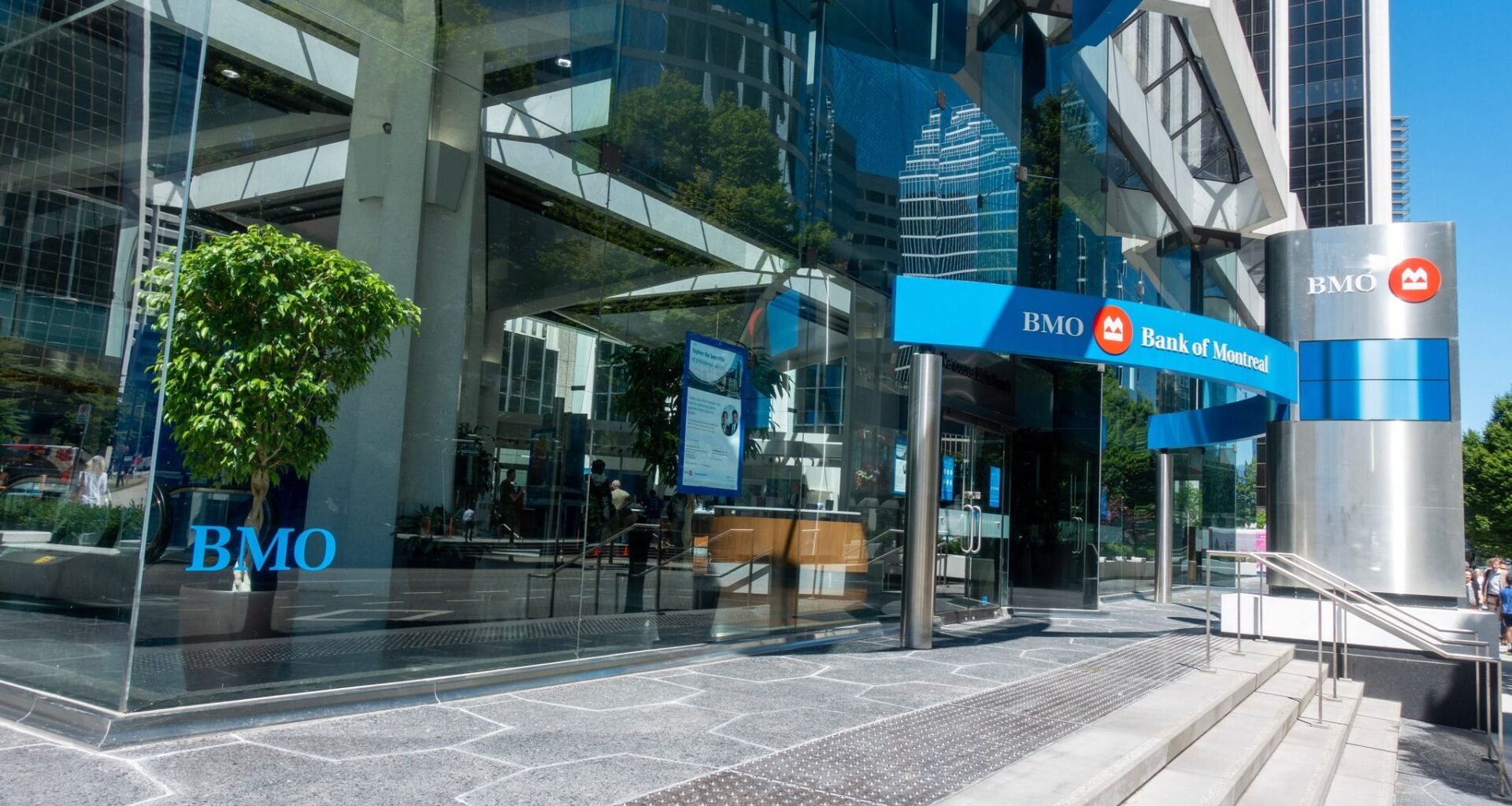
B.C. residents believe they will need $2.2 million to retire, the highest amount in the country.
It is nearly $300,000 higher than the second-highest retirement target, which is Ontario at $1.9 million, according to BMO’s Annual Retirement Survey published last month. Pollara Strategic Insights completed the study, surveying 1,500 adult Canadians between Nov. 4 and 10 of 2025.
In third place is Alberta at $1.7 million. Saskatchewan and Manitoba tied for fourth at $1.3 million, followed by Quebec at $1.2 million, and the Atlantic Provinces at $928,000.
Nationally, the average amount Canadians believe they need for a comfortable retirement is $1.7 million, up from $1.54 million last year.
But 36 per cent think they are unlikely to reach their goals, seven per cent higher than last year.
“The findings indicate growing uncertainty about the future as rising costs and economic concerns challenge long-term financial planning goals,” reads a release from BMO.
Cost of living has become a growing concern for B.C residents, with one survey finding that 67 per cent of B.C. residents were looking to cut back on spending this year. Statistics Canada data from 2021 found that B.C. is one of Canada’s most expensive provinces.
Daily Hive has reported on how some Vancouverites are getting by in these tough financial times, including how people are cutting down on grocery bills, the idea of waiting for an inheritance, and how one retired Vancouver resident gets by on just $23,000 per year.
How much are people actually saving for retirement?
BMO’s survey found that 28 per cent of Canadians save less than five per cent of their income, 38 per cent save between five and 10 per cent, and 21 per cent save more than 10 per cent.
In dollars, 10 per cent save less than $100 per month, 23 per cent save between $100 and $499, 10 per cent save between $500 and $999, and 12 per cent save over $1,000.
“Deciding how much to save for retirement is a personal choice and depends on many factors, but thinking in percentage terms can help with long-term planning, so someone in their 20s, contributing 10 per cent a month to an RRSP can be a great start,” said Margaret Leong, a senior investment counsellor and portfolio manager with BMO Private Wealth.
“As earnings increase throughout an individual’s prime working years, so should their savings, creating an opportunity to take advantage of compound growth and build a more secure retirement. Every extra dollar saved brings people closer to the retirement they envision.”
BMO’s tips for retirement include starting to plan early by creating long-term financial goals and figuring out your investment and saving strategies. It also suggests that you “practice discipline” by managing spending, reviewing budgets, and treating savings as an expense.
Not everyone plans to retire
The report also found that 14 per cent of Canadians said they don’t plan to retire. While many baby boomers are already retired, 27 per cent of them haven’t and don’t plan to stop working.
Twenty per cent of Gen X, 18 per cent of millennials, and 15 per cent of Gen Z reported that they also don’t plan to retire.
“An increasing number of people say they plan never to retire, which often means they don’t want to stop working entirely,” said Catherine Laurin, a senior portfolio manager with BMO Nesbitt Burns.
“For many, retirement includes part-time work, freelancing, or passion projects. We work with clients to ensure their plans account for these choices, including how part-time income may impact taxes and government benefits.”