
Dr Ray O’Connor continues his review of the latest clinical studies on therapeutics, including anti-depressants, statins, and ibuprofen
Antidepressants in pregnancy
Depression and anxiety during pregnancy is on the rise, thus more pregnant women are being offered antidepressants – however, uncertainties remain surrounding the safety of antidepressant use in pregnancy.
The aim of this population-based cohort study1 using the UK Clinical Practice Research Datalink (CPRD) was to investigate the association between first trimester antidepressant use and miscarriage. Pregnancies included in the CPRD Pregnancy Register between 1996 and 2018 were identified.
Pregnancies in those with prescriptions for antidepressants overlapping with the first trimester were defined as ‘exposed’ and compared with pregnancies in those who were unexposed. Adjusted hazard ratios (aHRs), and absolute risk of miscarriage were calculated adjusted for confounders including depression, anxiety, smoking, and other health, lifestyle, and obstetric factors.
The results were that among the 1,021,384 eligible pregnancies, 73,540 patients were prescribed antidepressants in the first trimester (7.2%); 10,693/73,540 (14.5%) pregnancies ended in miscarriage among those prescribed antidepressants versus 116,641/947,844 (12.3%) in those not prescribed antidepressants.

Dr Ray O’Connor
Antidepressant prescription during the first trimester was only modestly associated with miscarriage following adjustment (aHR 1.04). These findings translated to an absolute risk adjusted for confounders of 13.1% for those not prescribed and 13.6% for those prescribed antidepressants.
Among those prescribed antidepressants in the three months before pregnancy and during the first trimester, the risk of miscarriage was the same as among those unexposed (aHR 1.00). The authors’ conclusion was that first trimester antidepressant use was associated with a small, clinically insignificant increased risk of miscarriage, with no evidence suggesting taking antidepressants before pregnancy and into the first trimester increases the risk of miscarriage.
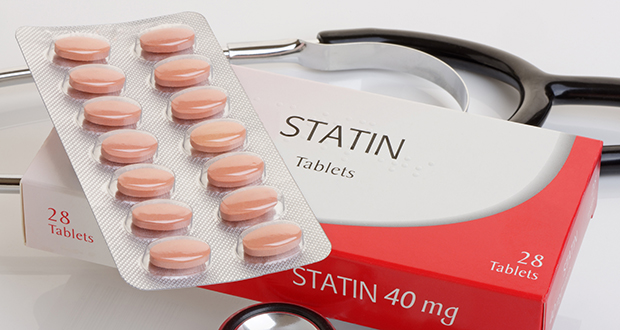
Statin adverse effects
Statin product labels (e.g. Summaries of Product Characteristics [SmPCs]) list certain adverse outcomes as potential treatment-related effects based mainly on non-randomised and non-blinded studies, which might be subject to bias. The aim of this meta-analysis of individual participant-level data from double-blind randomised controlled trials2 was to assess the evidence for such undesirable effects more reliably.
The authors generated a list of all undesirable effect terms listed in statin SmPCs by searching an electronic medicines compendium for five statins (atorvastatin, fluvastatin, pravastatin, rosuvastatin, and simvastatin). Randomised trials were eligible for meta-analysis of these effects if they involved at least 1,000 participants, had a scheduled treatment period of at least two years, and involved a double-blind comparison of statin versus placebo or of a more intensive versus a less intensive statin regimen.
The authors found 19 trials that compared statin versus placebo (123,940 participants, median follow-up 4·5 years). In addition to previously reported effects on muscle outcomes and diabetes, only four of 66 further undesirable outcomes that had been attributed to statins were significant: abnormal liver transaminases (783 participants [0·30% per annum] allocated statin vs 556 [0·22% per annum] allocated placebo, RR 1·41); other liver function test abnormalities (651 participants [0·25% per annum] allocated statin vs 518 [0·20% per annum] allocated placebo, RR 1·26]; urinary composition alteration (556 [0·21% per annum] allocated statin vs 472 [0·18% per annum] allocated placebo, RR 1·18), and oedema (3495 [1·38% per annum] allocated statin vs 3299 [1·31% per annum] allocated placebo, RR 1·07).
Analysis of the four trials of more intensive versus less intensive statin regimens also found significant excesses for abnormal liver transaminases and other liver function test abnormalities (supporting a dose-dependent effect), but no significant excess was found for urinary composition alteration or oedema.
The authors’ conclusion was that adverse event data from blinded randomised trials do not support causal relationships between statin therapy and most of the conditions (including cognitive impairment, depression, sleep disturbance, and peripheral neuropathy) listed in product labels as potential undesirable effects. They argue that, in light of these findings, such labelling and other official sources of health information should be revised so that patients and their doctors can make appropriately informed decisions regarding statin therapy.
Ibuprofen for childrens’s MSk pain
Ibuprofen is first-line therapy for musculoskeletal pain. However, two-thirds of children experience inadequate pain relief with ibuprofen monotherapy, and the efficacy of additive medications for moderate to severe musculoskeletal pain is unclear. Two randomized, double-masked, placebo-controlled trials were conducted from April 2019 to March 2023 in six university-affiliated, tertiary care Canadian paediatric emergency departments and are reported in this paper.3 Children aged six to 17 years presenting with a nonoperative acute limb injury (<24 hours) and a verbal numerical rating scale (vNRS) pain score of five or more out of 10 were enrolled.
The objective was to determine whether treatment with an opioid (hydromorphone) plus ibuprofen or nonopioid (acetaminophen [paracetamol]) plus ibuprofen decreased pain scores compared with ibuprofen alone. The opioid trial randomized participants to a single oral dose of ibuprofen plus hydromorphone, ibuprofen plus acetaminophen, or ibuprofen alone.
The nonopioid trial randomized participants to a single oral dose of ibuprofen plus acetaminophen or ibuprofen alone. In all groups, ibuprofen was dosed at 10 mg/kg (maximum, 600 mg). The acetaminophen dose was 15 mg/kg (maximum, 1,000 mg), and the hydromorphone dose was 0.05 mg/kg (maximum, 5 mg). The primary efficacy outcome was self-reported vNRS pain score at 60 minutes post medication administration (score range, 0 [no pain] to 10 [worst pain]; minimal clinically important difference, 1.5).
The primary safety end point was the proportion of children with any adverse event related to study drug administration. A total of 8,098 children were screened for eligibility; 699 were randomized and 653 were included in the efficacy analyses. The opioid trial included 249 children: 110 randomized to ibuprofen plus hydromorphone, 70 to ibuprofen plus acetaminophen, and 69 to ibuprofen alone. The nonopioid trial included 450 children: 225 randomized to a single oral dose of ibuprofen plus acetaminophen and 225 randomized to ibuprofen alone. The mean (SD) age of children in the 2 trials was 11.5 (3.5) years and 47.4% were female.
The mean (SD) vNRS score at recruitment was 6.4 (1.8). In pooled analyses, mean (SD) vNRS scores 60 minutes after drug administration were 4.8 (2.6) in the ibuprofen plus hydromorphone group, 4.6 (2.4) in the ibuprofen plus acetaminophen group, and 4.6 (2.3) in the ibuprofen alone group (P = .78). Any adverse event occurred at higher rates in the ibuprofen plus hydromorphone group (28.2%) compared with the ibuprofen plus acetaminophen (6.1%) or ibuprofen alone groups (5.8%). No serious adverse events occurred.
The authors concluded that for children with acute nonoperative musculoskeletal injury, pain scores at 60 minutes after drug administration did not improve with ibuprofen plus acetaminophen or ibuprofen plus hydromorphone compared with ibuprofen alone. Adverse events were four-fold more frequent with hydromorphone.
Initial glucose lowering drug therapy for people with Type 2 diabetes mellitus
The most recent National Institute for Health and Care Excellence (NICE) guideline on the management of people with type 2 diabetes mellitus has just been published.4 The committee of authors has recommended a change in the initial drugs to be considered for glycaemic control. For adults with type 2 diabetes and no relevant comorbidity, the recommendation is to offer modified-release metformin, and a sodium-glucose cotransporter 2 (SGLT-2) inhibitor.
They further recommend that If metformin is contraindicated or not tolerated, prescribers should offer monotherapy with an SGLT-2 inhibitor. The reasoning is that these drugs not only control blood sugar but also protect the heart and kidneys. The argument is made that SGLT-2 inhibitors are under-prescribed for many patients with suitable indications such as chronic kidney disease and heart failure.
For adults with early onset type 2 diabetes, in addition to initially offering modified-release metformin and an SGLT-2 inhibitor, doctors should consider adding either a glucagon like protein type 1 (GLP-1) receptor agonist for its cardiovascular, renal and glycaemic benefits or tirzepatide for its glycaemic benefits.
Scabies
Scabies, a parasitic skin disease caused by the Sarcoptes scabiei var hominis mite, is one of the world’s most common illnesses, affecting 207 million people at any time. The prevalence and incidence of scabies is increasing. Prolonged skin-to-skin contact is the main route of transmission for infestation of sexual partners and household members. Oral ivermectin and five per cent permethrin cream are the main scabicides available.
The conclusions of two Cochrane systematic reviews, published in 2007 and 2018, were contradictory, showing permethrin superiority or no difference in efficacy between the drugs. At the population level, oral ivermectin was shown to be highly effective in reducing the prevalence of scabies. This was a multicentre, assessor blinded, cluster randomised clinical trial based in 28 French hospitals,5 which took place from 19 January 2016 to 16 December 2021. Index cases were randomly assigned to the ivermectin group or permethrin group (1:1 ratio).
Each member of the cluster, defined as the household of each index case, received the same treatment as the index case, except for children weighing <15 kg who were prescribed topical 5% permethrin. All participants received oral ivermectin 200 μg/kg or 5% permethrin cream on day 0 and day 10. The primary outcome was clinical cure of the cluster on day 28 (i.e. disappearance of clinical signs and symptoms of scabies for all cluster members).
 Secondary outcomes were index case and individual level analyses and safety. Dermatologists were used as assessors and were masked to the treatment. The trial showed the statistical superiority of 5% permethrin cream.
The authors concluded that five per cent permethrin cream, applied to the whole body on day 0 and day 10, could be used as first line treatment in classic scabies. Permethrin would be favoured in children and young adults, in individuals with a skin condition allowing application of a scabicide and in those who agree to using a topical scabicide, and where no reported molecular resistance exists. In other situations, first line oral ivermectin could be prescribed, especially when topical application is not practical (e.g. in nursing homes or prisons).
References:
First trimester antidepressant use and miscarriage: a population-based cohort study using Clinical Practice Research Datalink GOLD. Br J Gen Pract. 2025 Nov 18;75(761):e843–e852. DOI: 10.3399/BJGP.2025.0092.
Cholesterol Treatment Triallists (CTT) Collaboration. Assessment of adverse effects attributed to statin therapy in product labels: a meta-analysis of double-blind randomised controlled trials. Lancet 2026; 407: 689–703 Published Online February 5, 2026 https://doi.org/10.1016/S0140-6736(25)01578-8.
Ali S et al. Acetaminophen (Paracetamol) or Opioid Analgesia Added to Ibuprofen for Children’s Musculoskeletal Injury: Two Randomized Clinical Trials. JAMA 2026 Jan 8:e2525033. DOI: 10.1001/jama.2025.25033. Online ahead of print.
National Institute for Health and Care Excellence (NICE). Type 2 diabetes in adults: management (NG28). Updated February 2026. nice.org.uk/guidance/ng28.
Boralevi F et al. Oral ivermectin versus 5% permethrin cream to treat children and adults with classic scabies: multicentre, assessor blinded, cluster randomised clinical trial. BMJ 2026;392:e086277. http://dx.doi.org/10.1136/bmj-2025‑086277.