
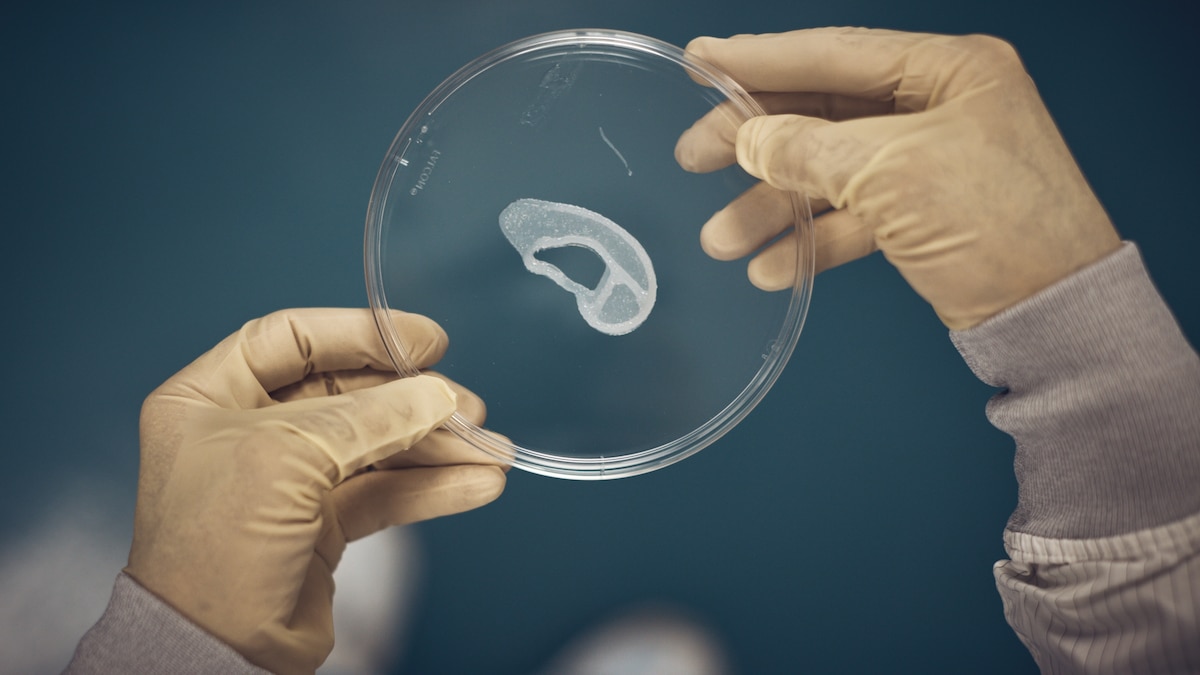
Human tissue echoed those findings. Cartilage samples taken from knee replacement surgeries responded to the inhibitor in the lab by producing new, functional hyaline cartilage, the smooth, resilient tissue that allows joints to glide.
“People with joint pain are desperate to find relief, and they have very limited options,” says Blau. Bhutani adds, “This new inhibitor can address the root cause of pain by repairing the damage to the cartilage.”
Stopping the inflammation that destroys joints
Aging can slowly erode cartilage, but inflammation can destroy it quickly. At the Mayo Clinic, Christopher Evans, a professor of orthopedic surgery and molecular medicine, is focused less on regrowing cartilage, but on tackling the inflammatory signals that drive the disease itself.
“If we can stop the cycle of inflammation, we can preserve the joint before it fails,” says Evans.
Evans has spent decades studying interleukin‑1, a protein that helps the body respond to injury. In healthy tissue, its role is brief. In osteoarthritis, it lingers, fueling inflammation and accelerating cartilage breakdown. Blocking it with injected drugs has proven difficult because proteins introduced into a joint are quickly washed away through blood vessels and the lymphatic system.