
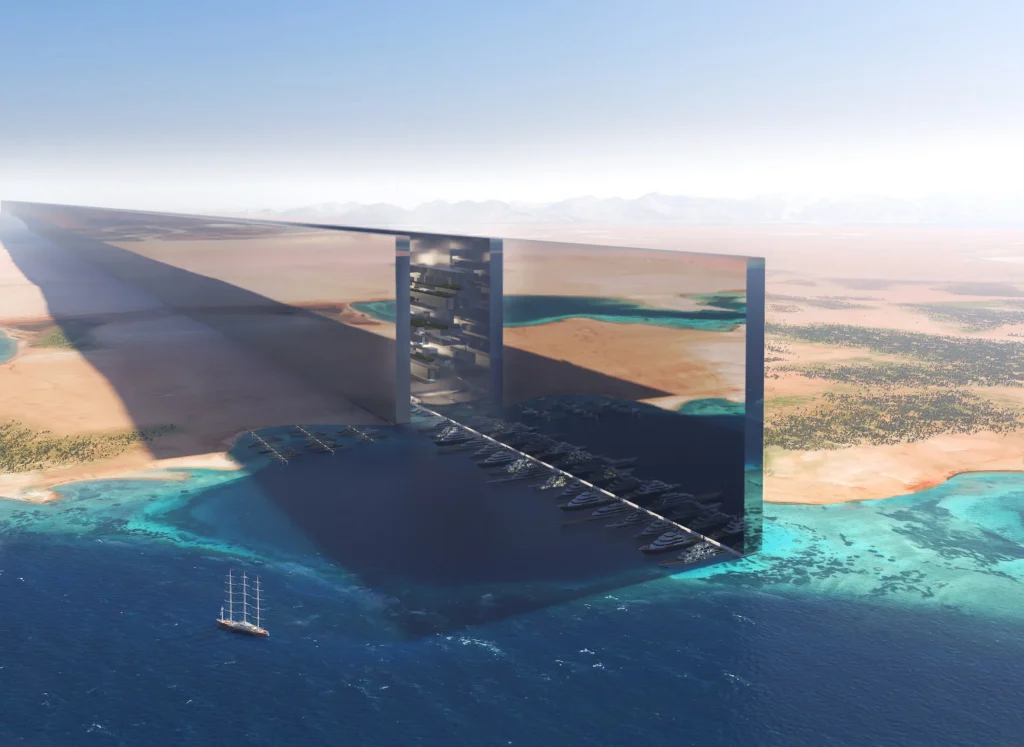
Saudi Arabia’s urban project, The Line, once captured global attention as one of the most radical city concepts ever proposed. Designed as a 170-kilometer linear city in the desert, the project promised a car-free urban future powered by renewable energy and built around advanced infrastructure. However, years after its announcement, the project has undergone significant changes. Financial pressures, technical challenges, and shifting economic priorities have pushed Saudi Arabia to rethink the scale and purpose of the development, leading to potential reductions in the project’s size and a reevaluation of its initial goals to ensure sustainability and feasibility.
Recent reports indicate that the project is being drastically scaled back, with parts of the planned urban development potentially repurposed to host large-scale digital infrastructure, such as data centers, to support advanced computing and emerging technologies. This transition reflects a broader strategic shift in Saudi Arabia’s approach to investing in technology-driven infrastructure while pursuing its long-term economic diversification goals.
The Vision Behind NEOM and The Line
The story of The Line begins in 2017, when Saudi Arabia launched the NEOM project as part of its Vision 2030 strategy. The initiative aimed to reduce the country’s dependence on oil by building new industries, attracting international investment, and developing advanced urban infrastructure.
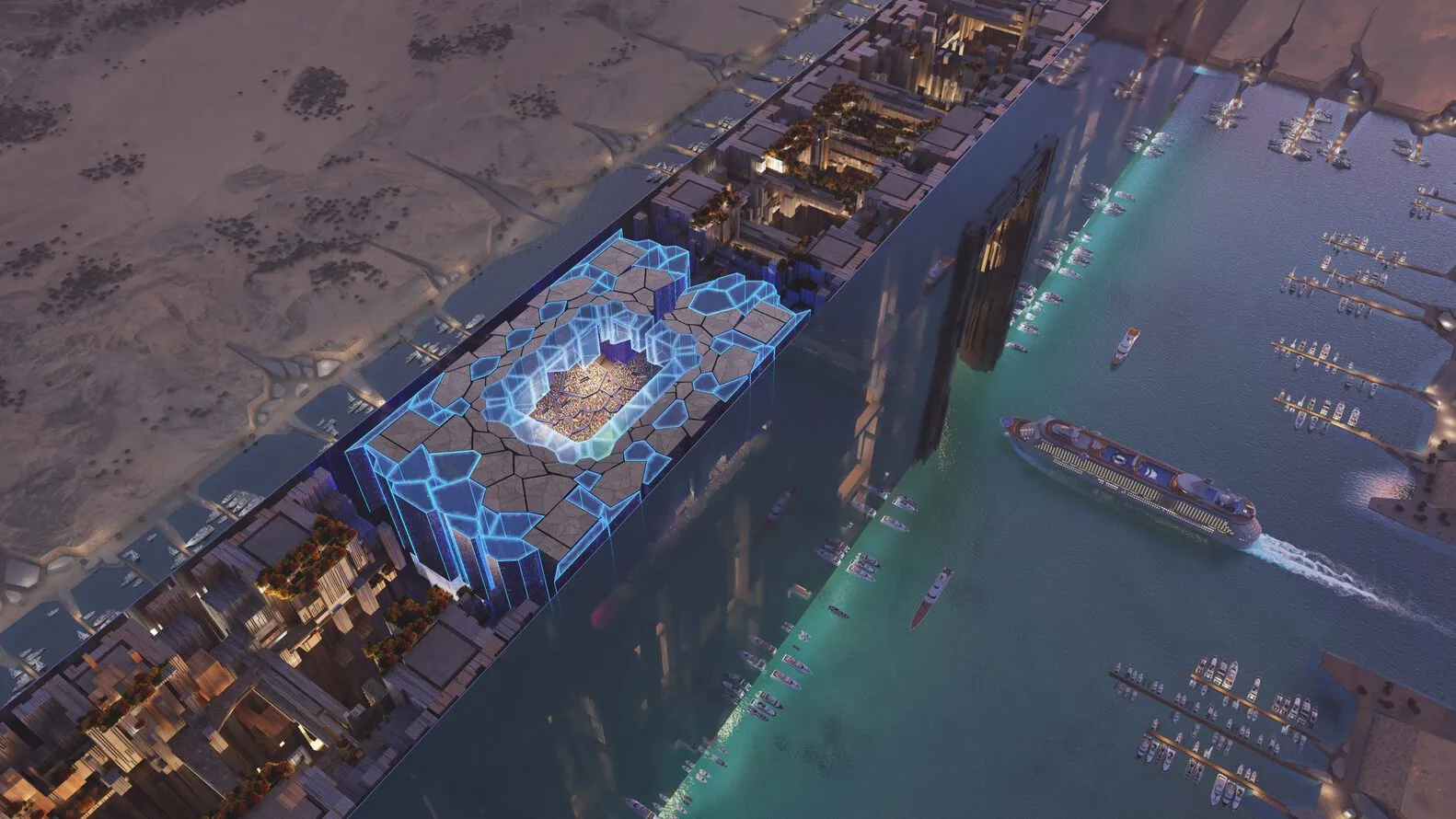
NEOM was introduced as a $500 billion megaproject along the Red Sea coast in northwestern Saudi Arabia. It was envisioned as a futuristic region featuring multiple developments, including industrial zones, tourism hubs, and research centers.
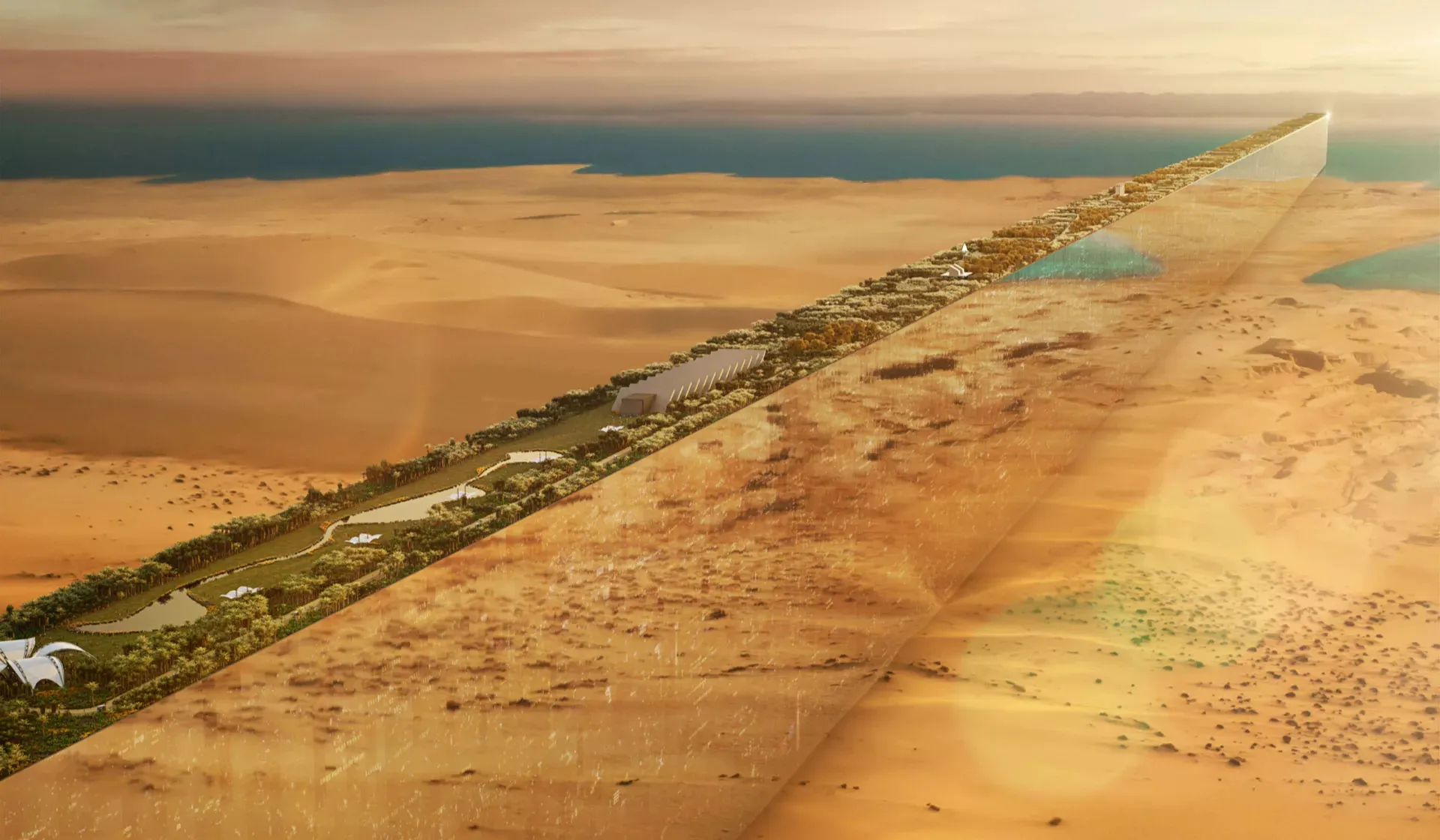
At the center of this initiative stood The Line, a highly unconventional city design. Instead of expanding outward like traditional cities, The Line was planned as a narrow urban corridor stretching 170 kilometers across the desert.
The Original Concept: A Linear City of the Future
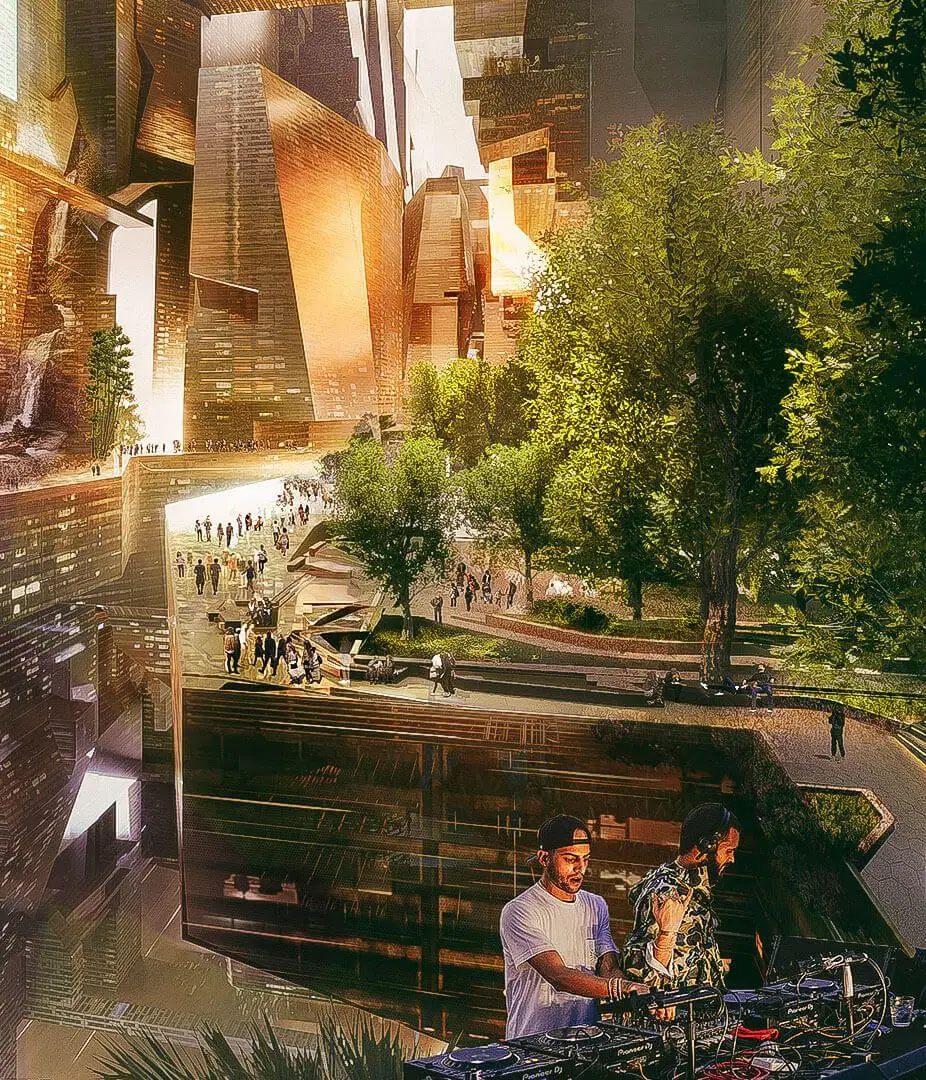
The Line was designed to accommodate approximately nine million residents inside two parallel mirrored structures rising about 500 meters high and roughly 200 meters wide. The city would run entirely on renewable energy and would eliminate cars, roads, and traditional urban sprawl.
The proposal for The Line highlighted several key features intended to redefine how modern cities function. One of the central ideas was a zero-car mobility system, where residents would not rely on personal vehicles for daily travel. Instead, transportation would be handled through an underground high-speed transit network designed to move people quickly across the city’s length.
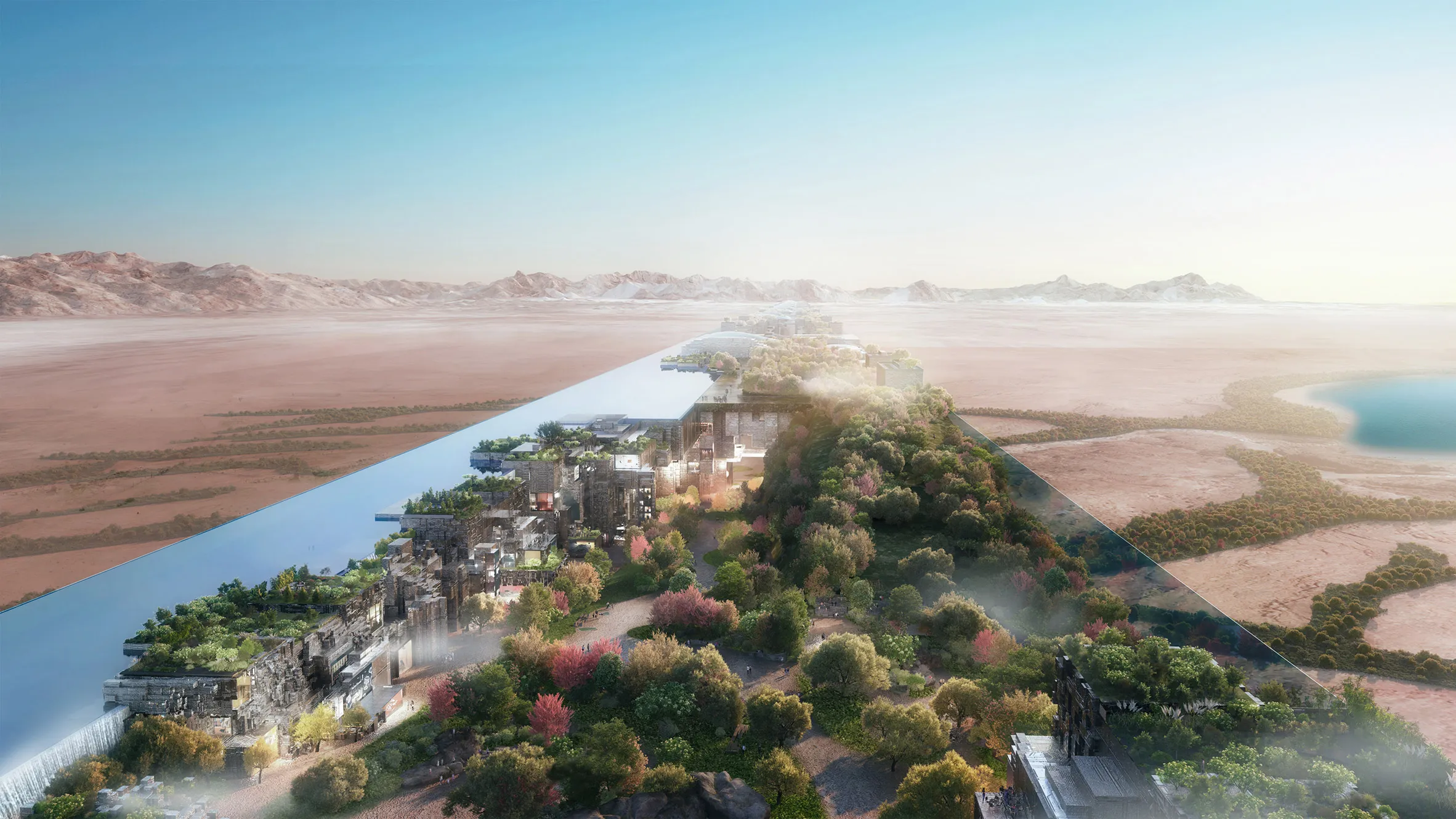
The plan also focused on walkable living, ensuring that schools, healthcare facilities, workplaces, and daily services would be reachable within a five-minute walk from residential areas. Another major element of the proposal was environmental preservation. Developers claimed that nearly 95 percent of the surrounding natural landscape would remain untouched, limiting urban sprawl and reducing ecological disruption. In addition, the project aimed to incorporate highly integrated digital infrastructure and automated logistics systems to manage services such as deliveries, utilities, and urban operations efficiently within the city’s compact design.

The goal was to create a dense, hyper-connected urban environment that reimagined how cities could function in the future. The project’s design quickly became one of the most widely discussed architectural visions of the decade.
However, turning this concept into reality proved significantly more complicated.
Rising Costs and Practical Challenges
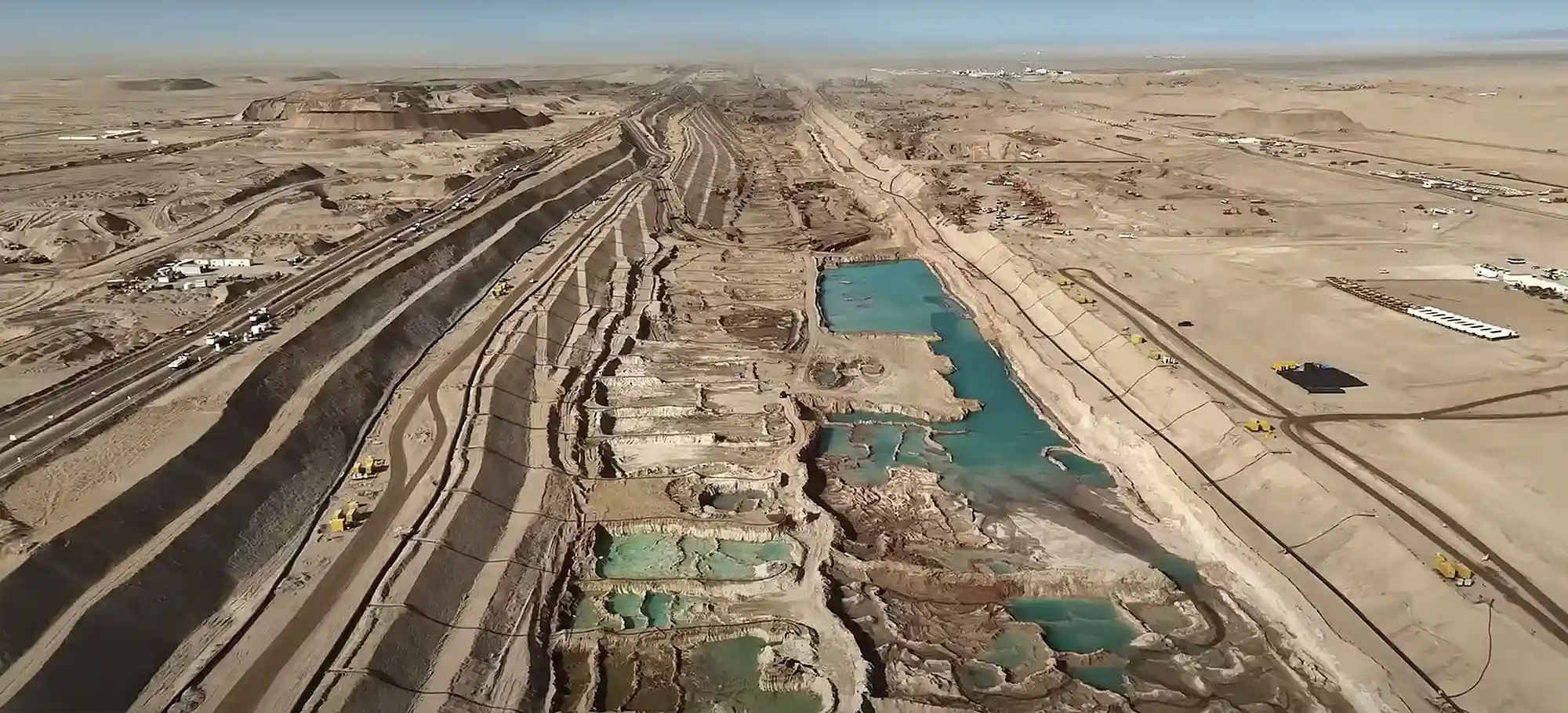
As construction planning progressed, concerns began to emerge around the project’s feasibility. Building a continuous structure spanning 170 kilometers posed enormous engineering challenges, requiring unprecedented amounts of materials, logistics coordination, and financing.
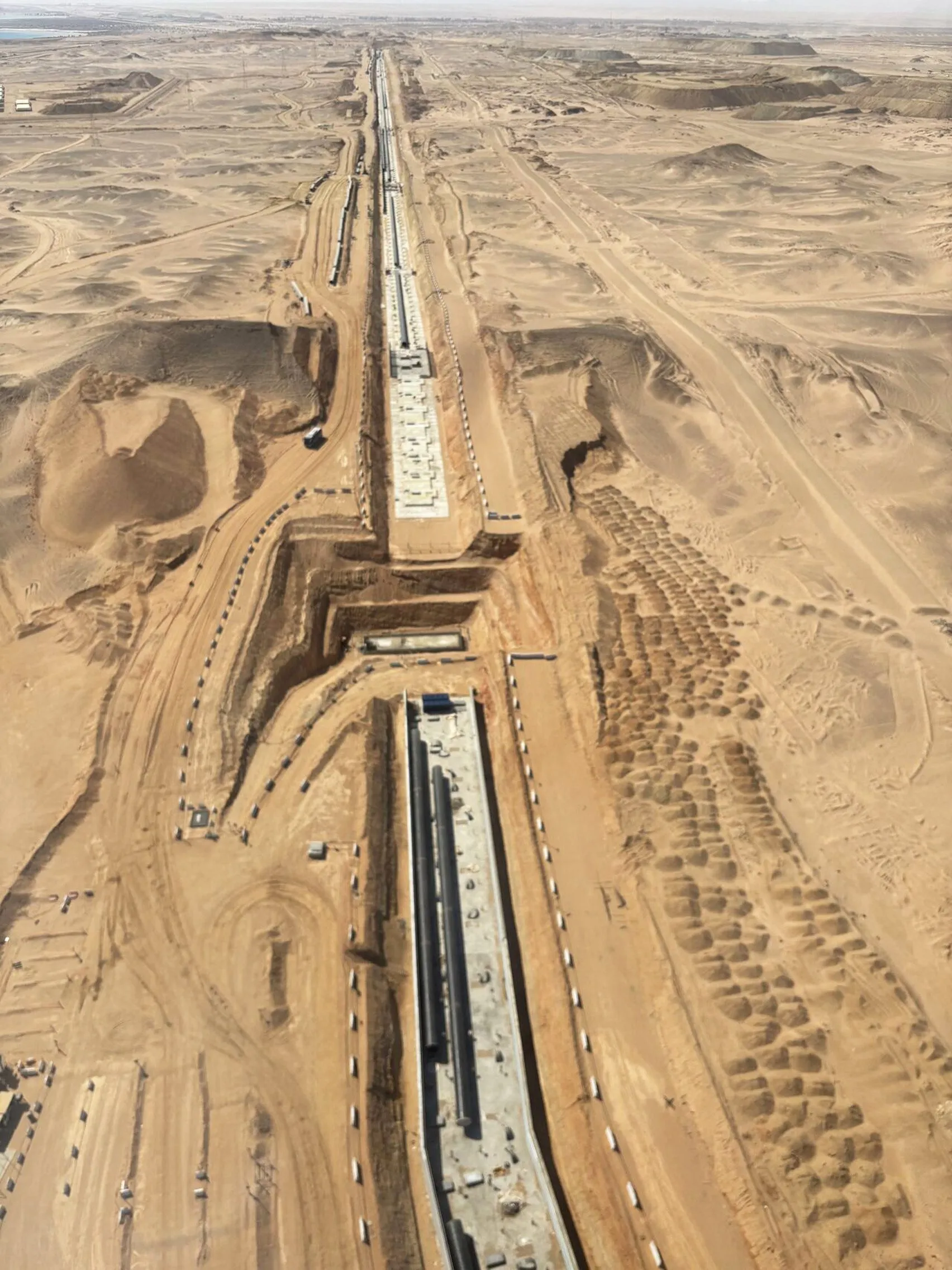
Reports indicate that tens of billions of dollars had already been spent while only limited structural progress had been achieved. At the same time, the cost projections for completing the entire city continued to rise sharply.
Several additional factors contributed to the reassessment:
Construction complexity associated with building a vertical city across desert terrain
Rising global material costs and large infrastructure requirements
Budget pressures tied to other national projects and international commitments
Slower-than-expected development progress
These pressures led Saudi authorities to conduct a comprehensive review of the NEOM development strategy.
Scaling Back the Vision
Following this review, the government began reconsidering the original scale of The Line. Instead of building the full 170-kilometer structure in the near term, officials started exploring smaller, more achievable phases.
Some reports suggest that the first operational segment may be reduced to only a few kilometers, far smaller than the initial plan.
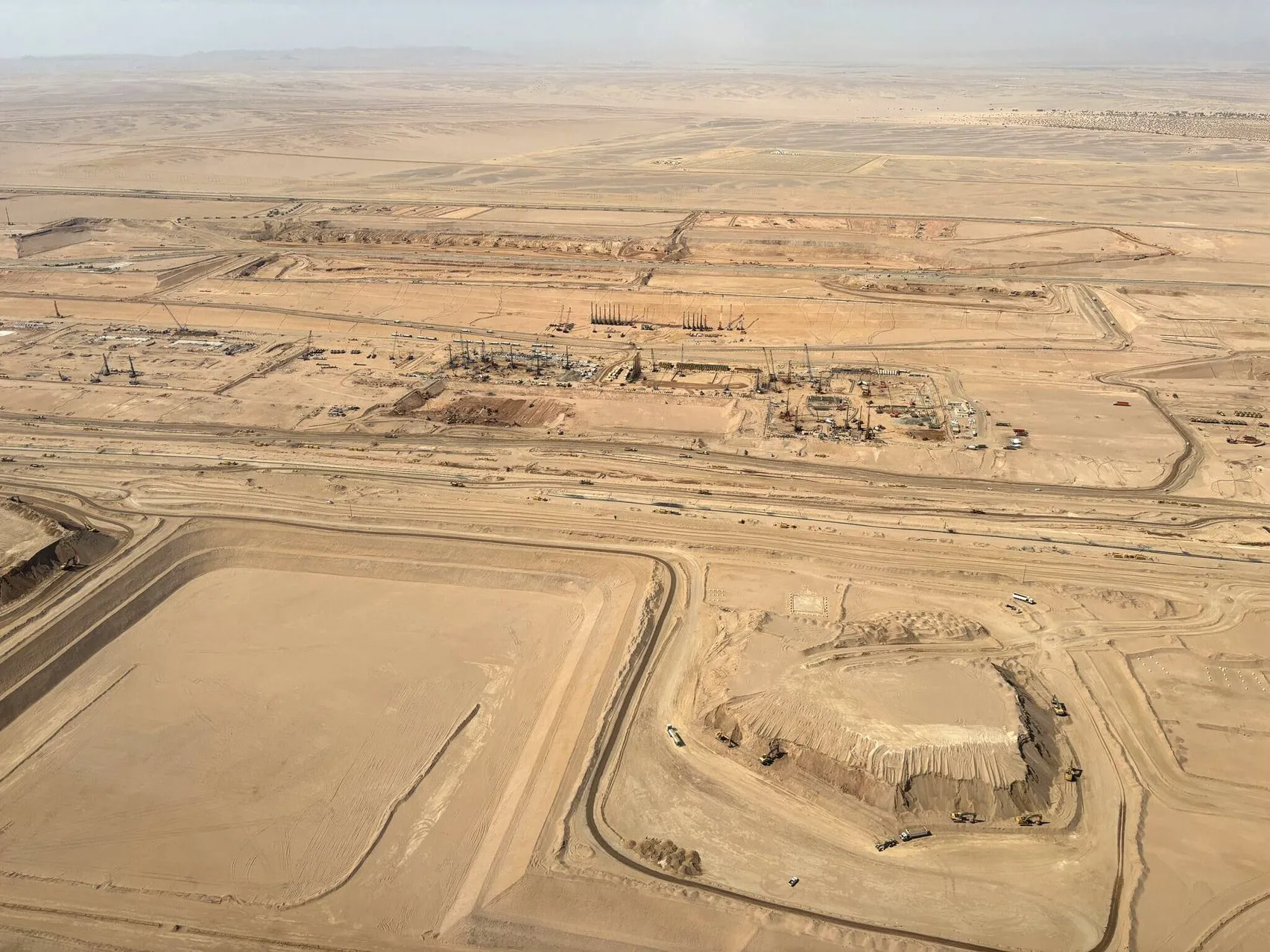
This shift reflects a pragmatic approach. Rather than pursuing the entire megacity simultaneously, Saudi Arabia is prioritizing projects that can deliver economic returns sooner and require less upfront investment.
At the same time, the strategic purpose of NEOM itself has begun to evolve.
From Futuristic City to AI and Data Center Hub
One of the most significant developments in the NEOM strategy is the growing emphasis on large-scale computing infrastructure. Instead of focusing exclusively on residential urban development, parts of the project are now being considered for advanced data center campuses.
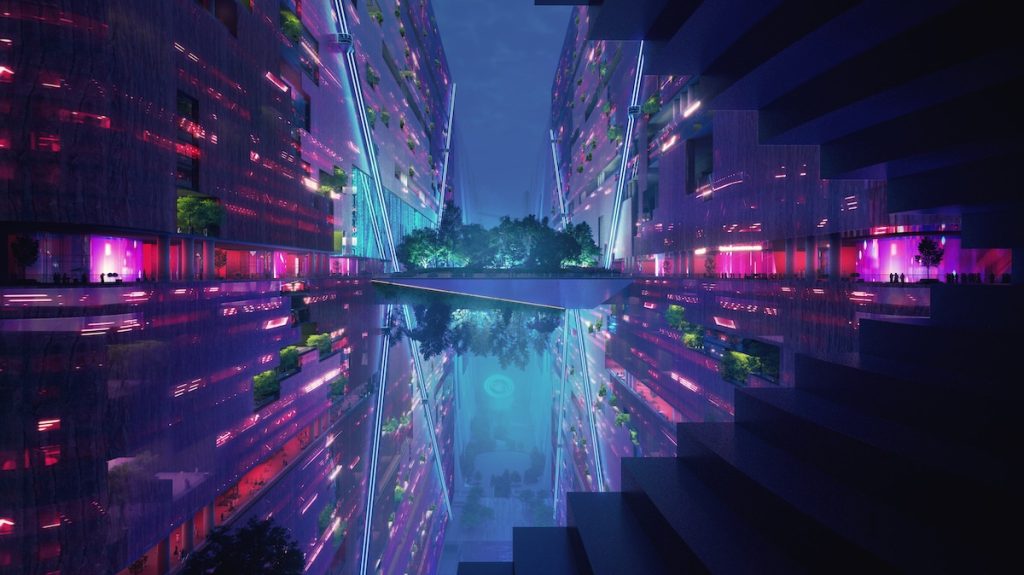
These facilities serve as critical infrastructure for modern digital economies, hosting the computing systems that power cloud services, research platforms, and next-generation digital technologies.
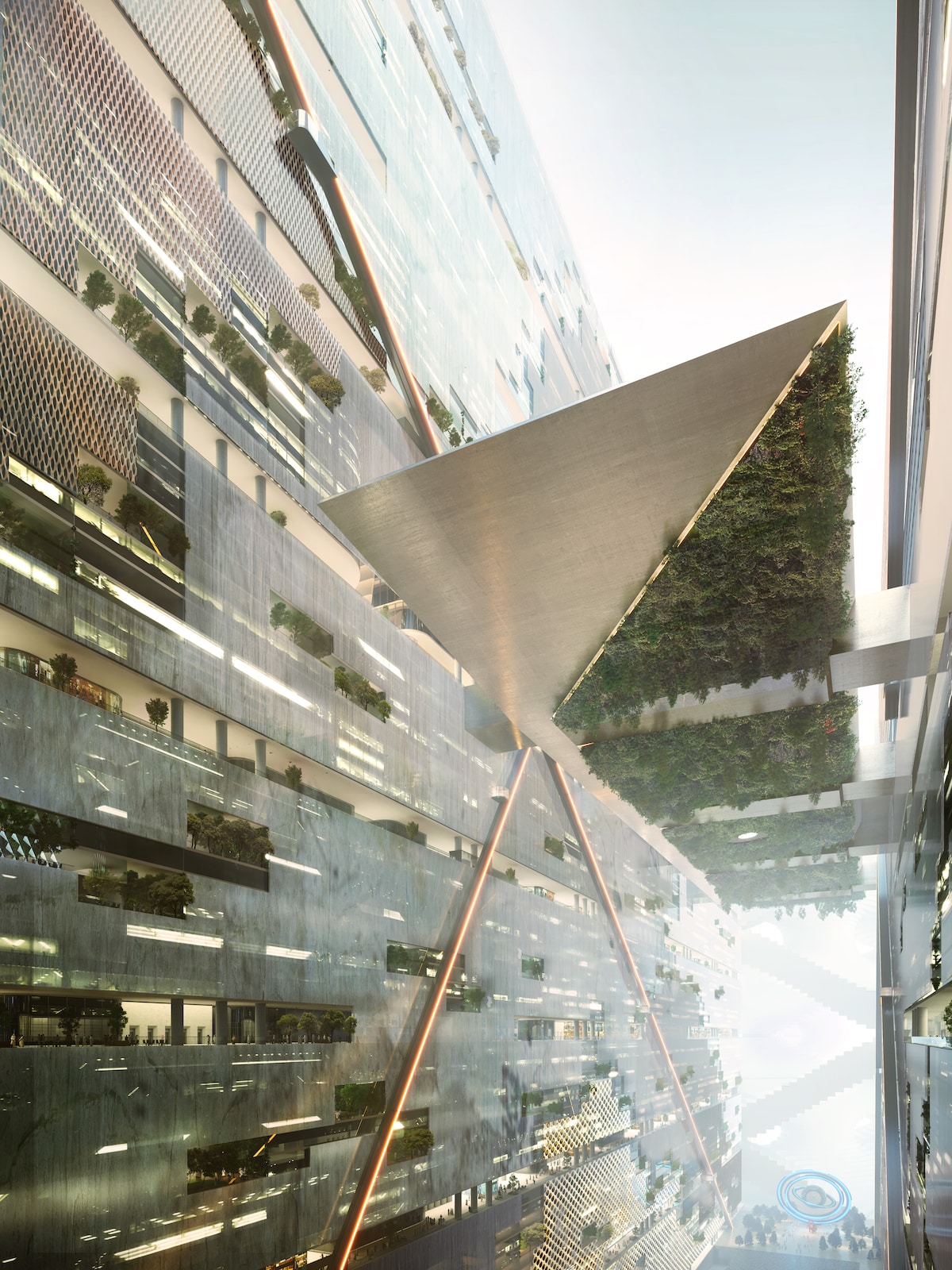
Saudi Arabia has already taken concrete steps in this direction, including the establishment of partnerships and investments aimed at enhancing its data center capabilities and infrastructure. In 2025, NEOM signed a $5 billion agreement with DataVolt to build a major data center facility in the Oxagon industrial zone of the project. The first phase of this facility is expected to become operational by 2028.
Geographic Advantages of the NEOM Region
Despite the desert climate, the NEOM region offers several advantages for large-scale computing infrastructure.
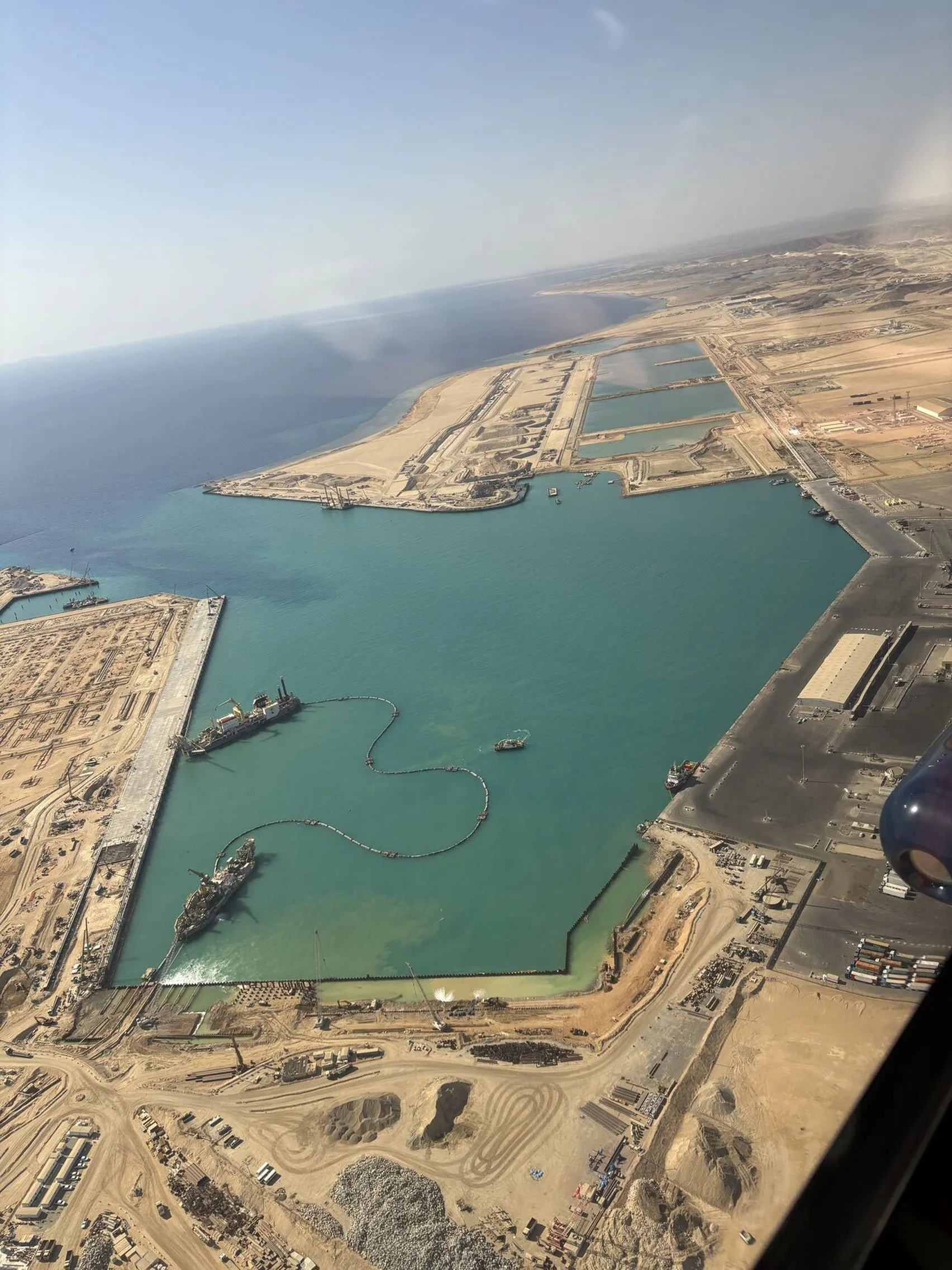
One of the major advantages of the NEOM region is its coastal location along the Red Sea. Data centers produce a tremendous amount of heat, making efficient cooling systems essential for their operation. Being close to the sea makes it possible to use seawater for large-scale cooling systems, which cuts down on the need for fresh water in the desert.

Beyond its coastal benefits, the region offers ample land for large infrastructure facilities, allowing developers to build expansive campuses for data centers and related technology projects. The area also has strong solar and wind energy potential, which can provide sustainable power for energy-intensive operations.
Strategically, NEOM is positioned between Europe, Asia, and Africa, giving it an ideal location for data connectivity and regional digital services. These combined factors make the NEOM region a highly attractive destination for long-term investment in digital infrastructure.
A Strategic Shift in Saudi Arabia’s Economic Priorities
The transition from an ambitious architectural megacity toward a technology infrastructure hub illustrates a broader policy shift.

Saudi Arabia’s economic planners appear increasingly focused on building digital capacity and computing infrastructure, which is considered essential for future economic competitiveness. Investments in these sectors can support industries ranging from research and finance to manufacturing and logistics. This strategy aligns with the wider objectives of Vision 2030, which aims to create a diversified, knowledge-driven economy.
Instead of quitting NEOM entirely, the government appears to be redefining its priorities within the project, moving from symbolic mega-architecture toward infrastructure that directly supports technological and economic growth.
The Future of The Line
Despite reports of scaling back, The Line has not completely disappeared from Saudi Arabia’s development agenda. The project may still construct smaller sections, which could serve as experimental urban districts or mixed-use developments.
However, many now view the original vision of a 170-kilometer mirrored megacity housing millions of residents as unlikely to materialize in its initial form.
Instead, NEOM may gradually evolve into a hybrid development that combines industrial zones, logistics hubs, research facilities, tourism projects, and digital infrastructure.
The story of The Line reflects both the ambition and the complexity of large-scale futuristic projects. What began as one of the most surprising city concepts ever proposed has now entered a phase of strategic reassessment.
Economic realities, construction challenges, and shifting technological priorities have reshaped the project’s direction. While the original megacity vision is being scaled back, the NEOM region is emerging as a potential hub for digital infrastructure and large-scale computing facilities.
In this sense, the project’s transformation may represent not a failure of vision but a recalibration of strategy that aligns more closely with the evolving demands of the global digital economy.
Image credit: NEOM