
Why didn’t the hedgehog cross the road? Because it was being blasted with ultrasound waves to deter it from stepping out into the path of traffic.
This is the vision of scientists at Oxford who have discovered for the first time that hedgehogs can hear very high frequency sounds.
They hope that their discovery will lead to the creation of “ultrasound repellers” fitted to cars that would save them from being squashed under their wheels by stopping them from crossing in the first place.
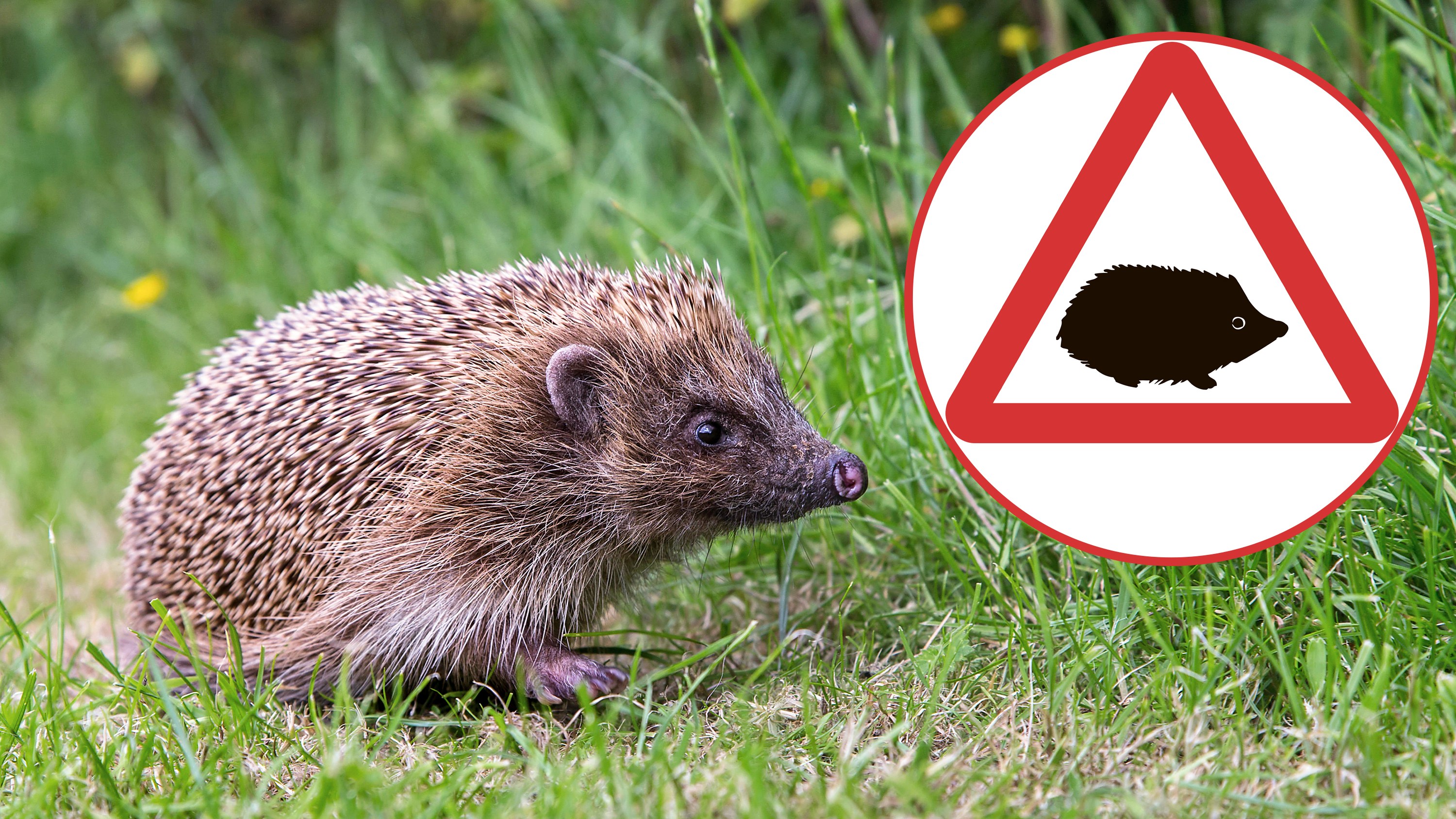
Hedgehogs have their own road sign
Over the past decade there has been a 30 per cent fall in the number of hedgehogs and last year they were added to the “near threatened” list, which documents how close species are to extinction. They had previously been on the list of “least concern”.
One in three hedgehog deaths are caused by traffic, leading conservationists to look for a way to protect them. Tunnels have created hedgehog highways, but scientists at the University of Oxford have suggested an alternative.
Working with researchers in Denmark, they monitored activity in the brainstems of 20 hedgehogs at Danish rescue centres using electrodes to measure signals in their brains when short bursts of sound were played through a loudspeaker.
They found that the animals are able to hear in the ultrasound range, which starts above 20kHz and is inaudible to humans.
“Having discovered that hedgehogs can hear in ultrasound, the next stage will be to find collaborators within the car industry to fund and design sound repellents for cars,” said Professor Sophie Lund Rasmussen, who works at the universities of Oxford and Copenhagen. “If our future research shows that it proves possible to design an effective device to keep hedgehogs away from cars, this could have a significant impact in reducing the threat of road traffic to the declining European hedgehog.”
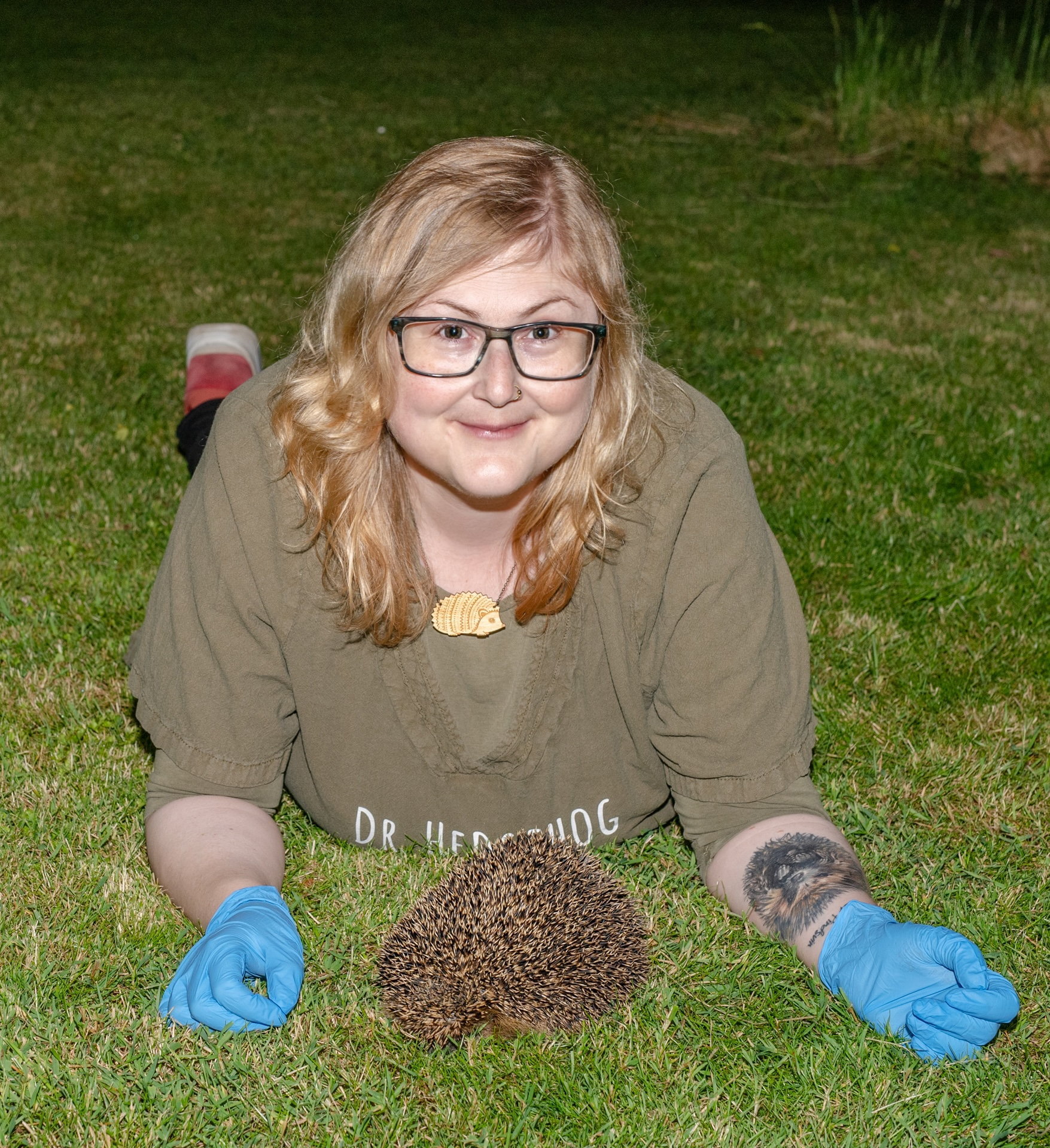
Dr Sophie Lund Rasmussen said the research suggests “it would be possible to design ultrasonic repellents that can be heard by hedgehogs, but not humans or pets”
SWNS
The team also created high-resolution scans of a dead hedgehog’s ear, using a hedgehog that had been put down after it was critically injured by a rat trap. This allowed them to build the most accurate picture of the ear’s construction, showing that they can “pass very high-pitched sounds efficiently” because they have smaller and lighter stapes, the middle ear bone.
“The results suggest that it would be possible to design ultrasonic repellents that can be heard by hedgehogs, but not humans or pets,” the researchers said. “If proved effective, these could potentially be used to deter hedgehogs from roads and other potential threats, such as robotic lawnmowers and garden strimmers.”
Rasmussen added that a “fascinating question now is whether they use ultrasound to communicate with each other, or to detect prey, something we have already begun investigating”.
Professor David Macdonald, from Oxford, added: “It is especially exciting when research motivated by conservation leads to a fundamental new discovery about a species biology which, full circle, in turn offers a new avenue for conservation.
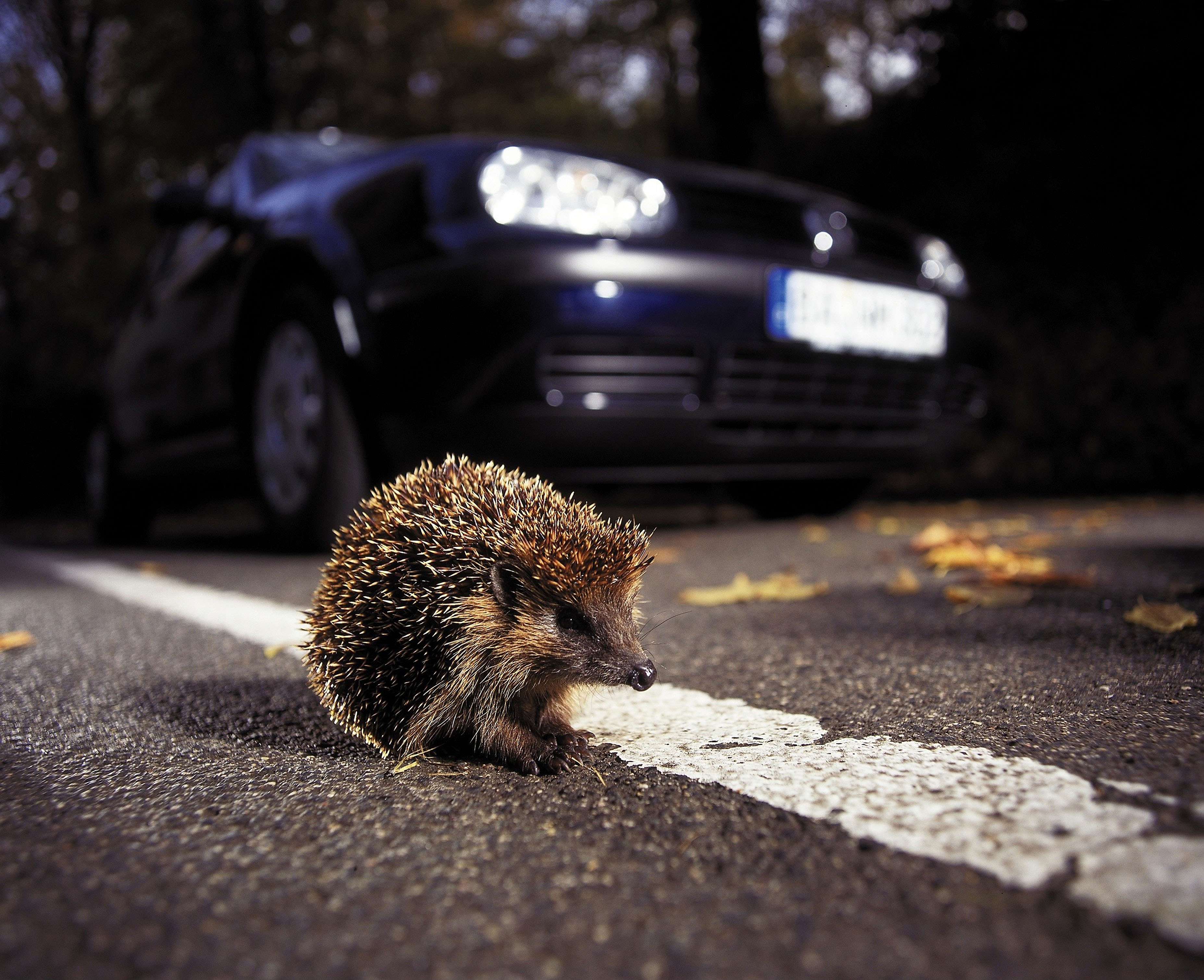
A third of hedgehog deaths occur on the road
ALAMY
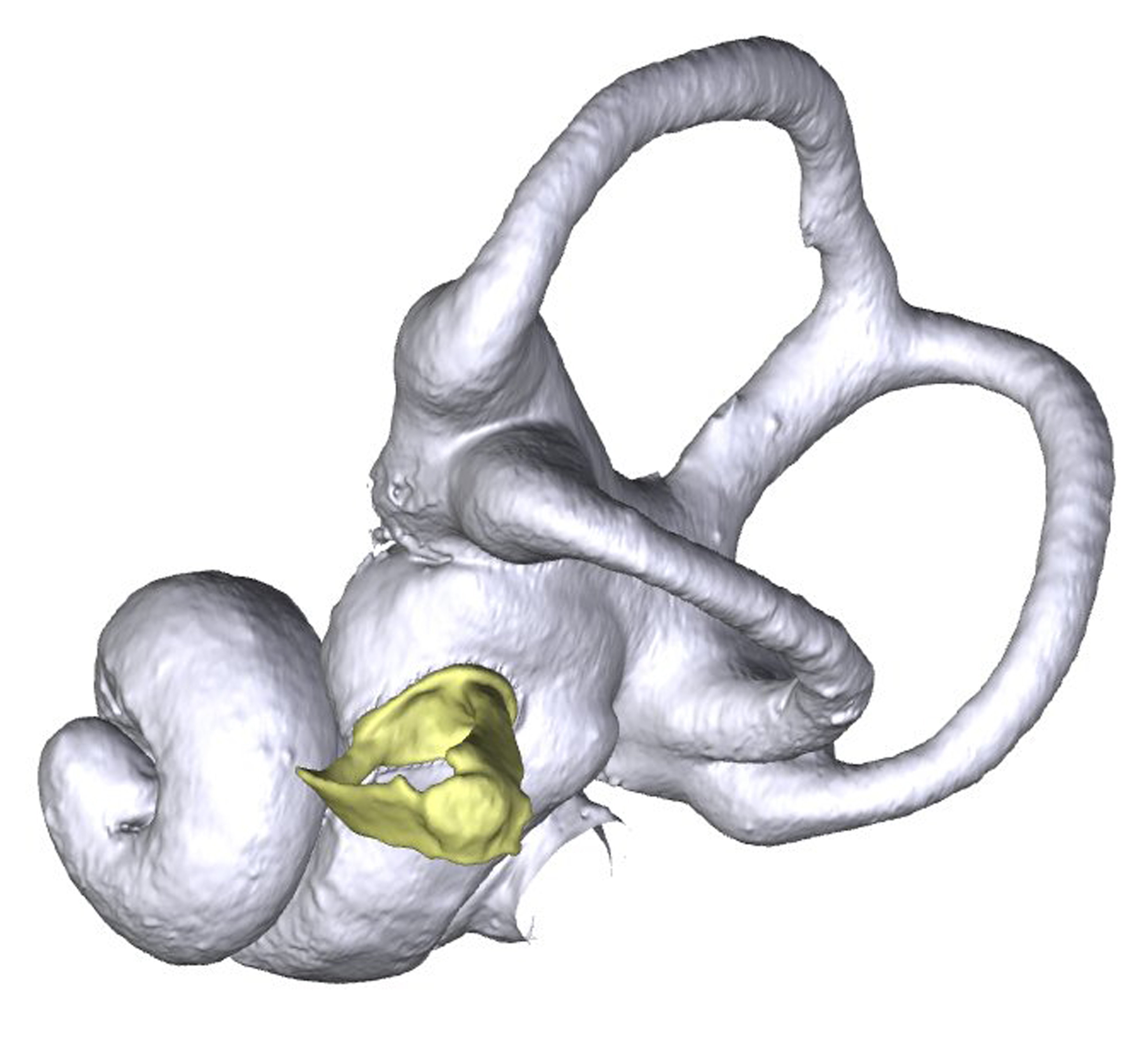
Scientists studied the ear of a hedgehog that was put down after it was badly injured by a rat trap
SWNS
“The critical question now is whether the hedgehogs respond to ultrasound in ways that might reduce the risks of collisions with robotic lawnmowers or even cars”.
In 2019 hedgehogs were immortalised on a new road sign, becoming the first new animal in 25 years to get their own roadside warning sign. A silhouette of a hedgehog is now shown within a red warning triangle at blackspots, flying the flag for small creatures from squirrels and badgers to otters.