
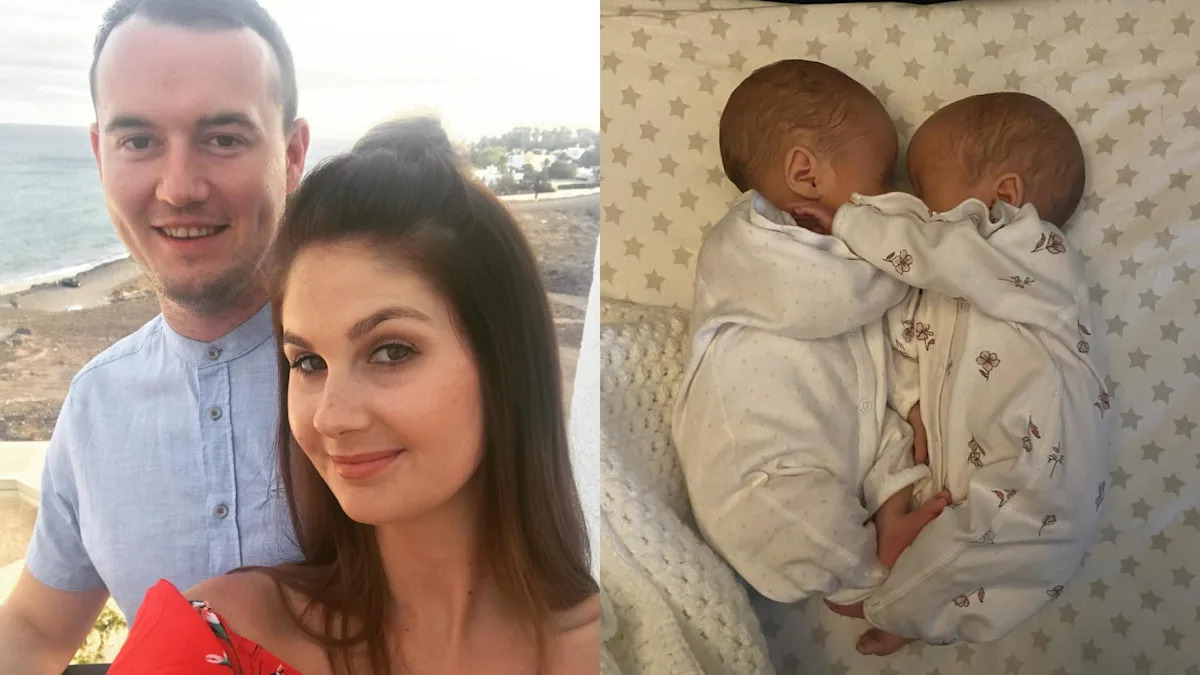
A mother with severe endometriosis who endured two miscarriages and an ectopic pregnancy has finally had twin daughters, but said she continues to suffer with extreme pain, fearing her girls will face the same struggles.
Ashley Emmerson, 36, began suffering crippling period pain at age 15, but said over the years her GP repeatedly dismissed her symptoms, prescribing pain relief and physiotherapy without further investigation.
In 2015, she said she was diagnosed with severe endometriosis, after a surgeon at Doncaster Royal Infirmary initially told her the pain was likely “psychosomatic” and much of the disease on her bladder could not be removed because he was not a specialist.
Endometriosis is where cells similar to those in the lining of the womb grow in other parts of the body, according to the NHS.
Despite having another surgery in 2018, her endometriosis left her struggling to conceive. She and her husband Jason, a 36-year-old electrician, decided to begin IVF in 2020, which was complicated by an ectopic pregnancy and two miscarriages.
She eventually gave birth to her identical twin daughters, Gracie and Amelia, now age three, in 2022, but said she continues to suffer severe pain, bloating, and constipation.
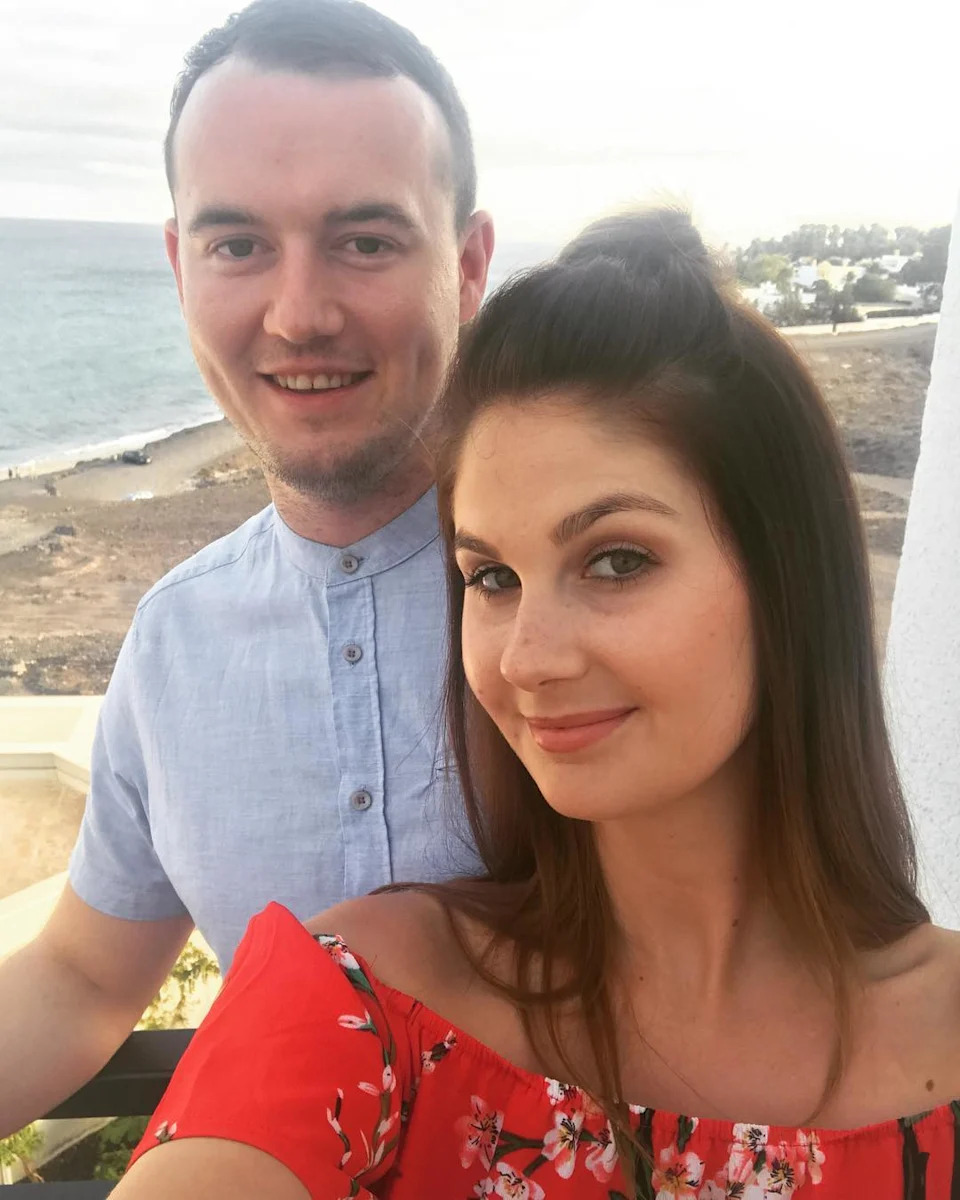
Ashley with her husband Jason (Collect/PA Real Life)
Ashley told PA Real Life: “My contractions when having my girls felt the same as my endometriosis pain.
“I would hate for my girls to go through the same pain as me – I’ll never hide my endometriosis from them, and I’ll be open with them, and help them get support.
“I hope the NHS improves by the time they get their periods.”
After starting her periods at age 15, in 2005, they were “very painful”, and got “worse and worse” over the years.
By 2013, aged 23, Ashley was using a sanitary towel every hour during her period due to heavy bleeding and had begun experiencing back pain and sciatica, leaving her “bed bound”.
So, in January 2014, she said she saw her GP and was referred to a physiotherapist for the back pain, without any investigation into her period symptoms.
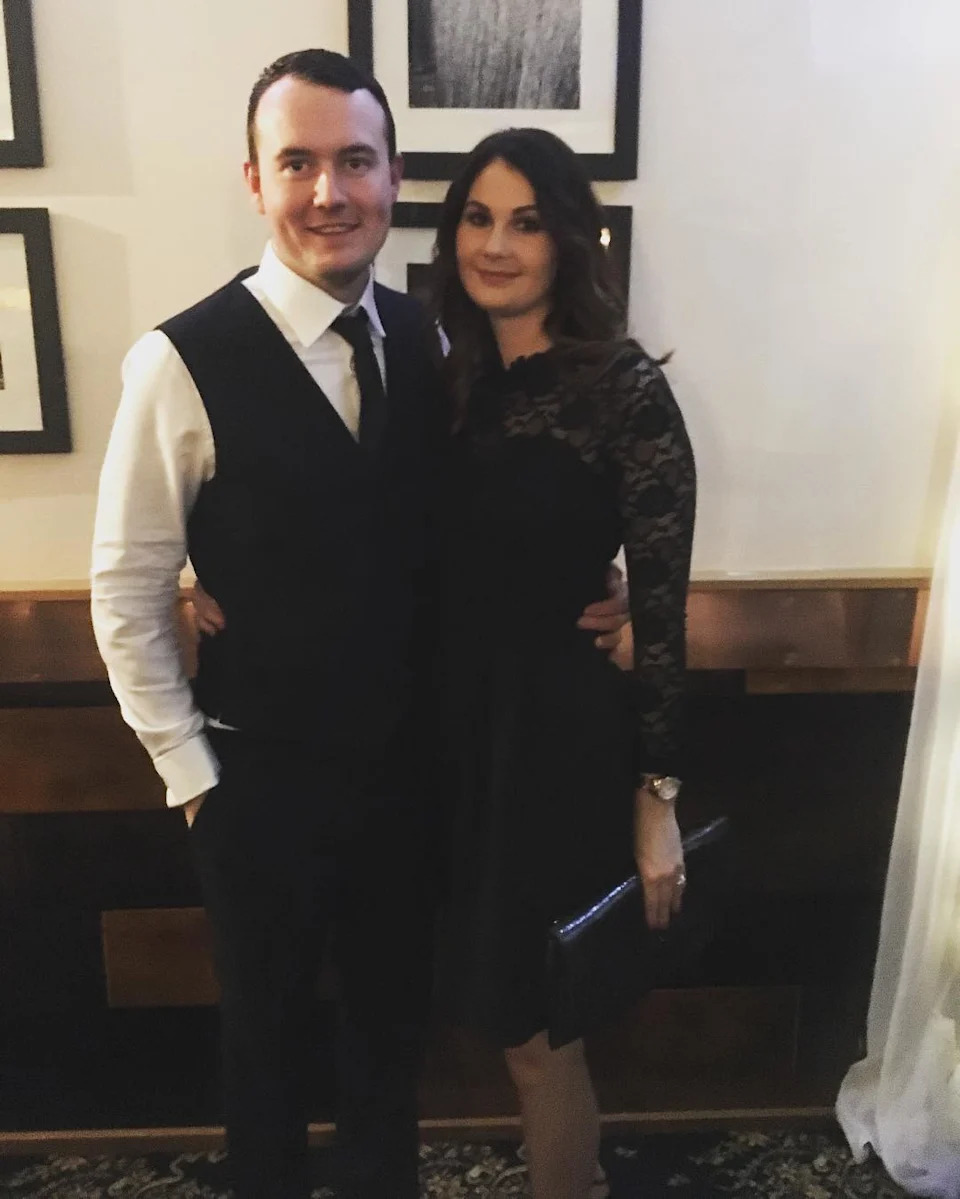
Ashley has had debilitating period pains since age 15 (Collect/PA Real Life)
“I was crying all the time and I was probably quite depressed because it felt like no-one believed how bad the period and back pain was,” Ashley added.
Ashley returned to her GP a few weeks later, after the physiotherapy “not helping”, and said she was prescribed pain relief medication, again without further investigation into the cause.
In March 2014, she saw a new GP after moving house, and when discussing her symptoms – such as bloating, period pain and back pain – her GP suggested it could be endometriosis.
“I never even considered it could be endometriosis, I didn’t realise my periods were really heavy and not normal – I thought everyone’s were like that,” she said.
She was then referred to a general gynaecologist at Doncaster Royal Infirmary, who said they would perform a laparoscopy in 2015, to investigate whether she had endometriosis.
“Before my surgery, as I was being wheeled into theatre, the surgeon said to me it was probably psychosomatic – women don’t get endometriosis from back pain and bad periods,” Ashley said.
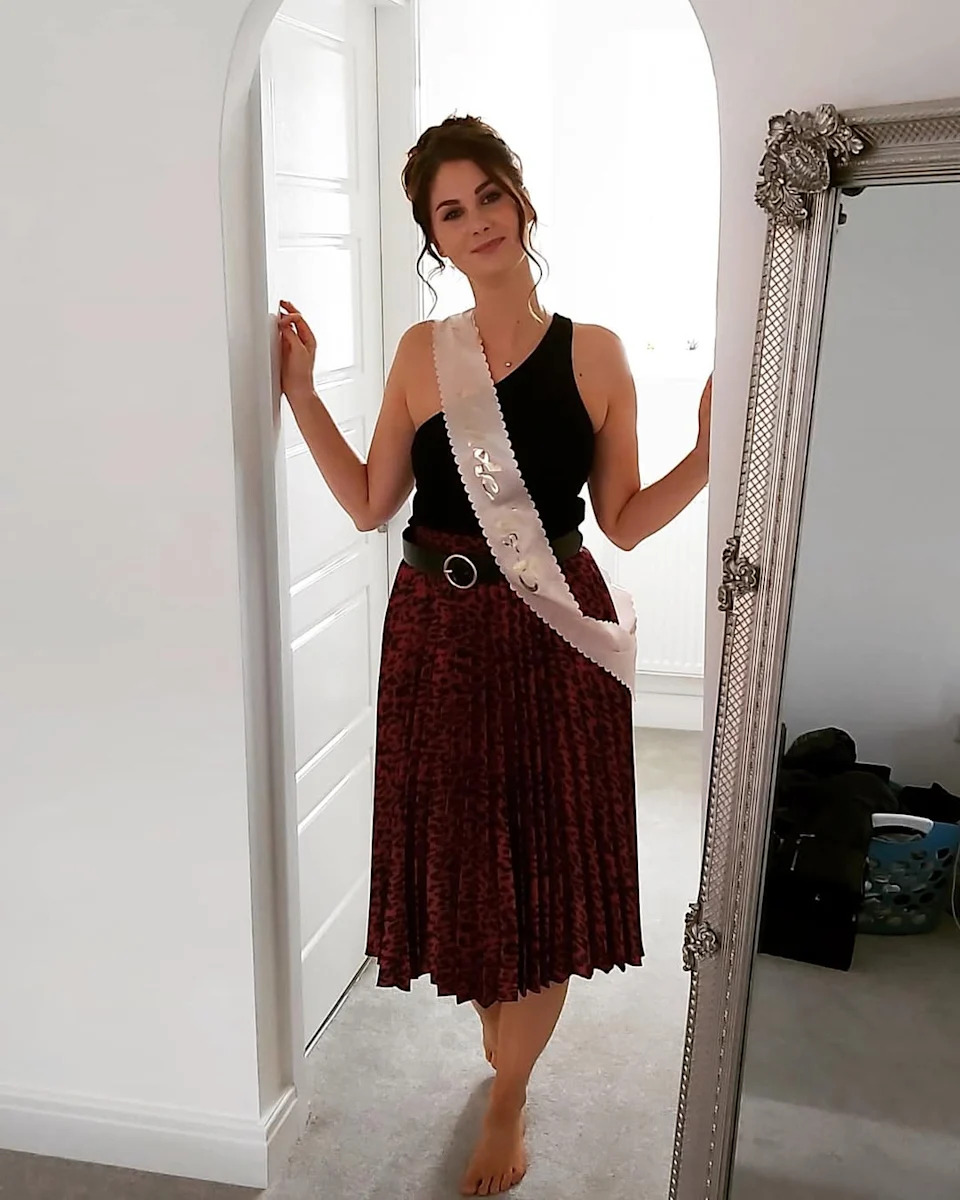
Ashley said her GP dismissed her endometriosis symptoms for years (Collect/PA Real Life)
“Then I came out of theatre and saw the surgeon again – he never apologised, but he just said: ‘We found endometriosis.’”
During surgery, they managed to excise the endometriosis tissue on her pouch of Douglas – which is the space between the uterus and rectum – and ovaries, but there was more on her bladder.
She said, as the surgeon was not an endometriosis specialist, he could not remove the tissue on the bladder.
“I walked away from that surgery feeling worse – I was actually in more pain with my periods – I think if they could have got rid of the tissue on my bladder I would have felt better,” Ashley explained.
“Because the endometriosis was on my bladder, I was getting up seven times a night for a wee.
“I had really bad bloating and was always constipated and had really painful bowel movements.”
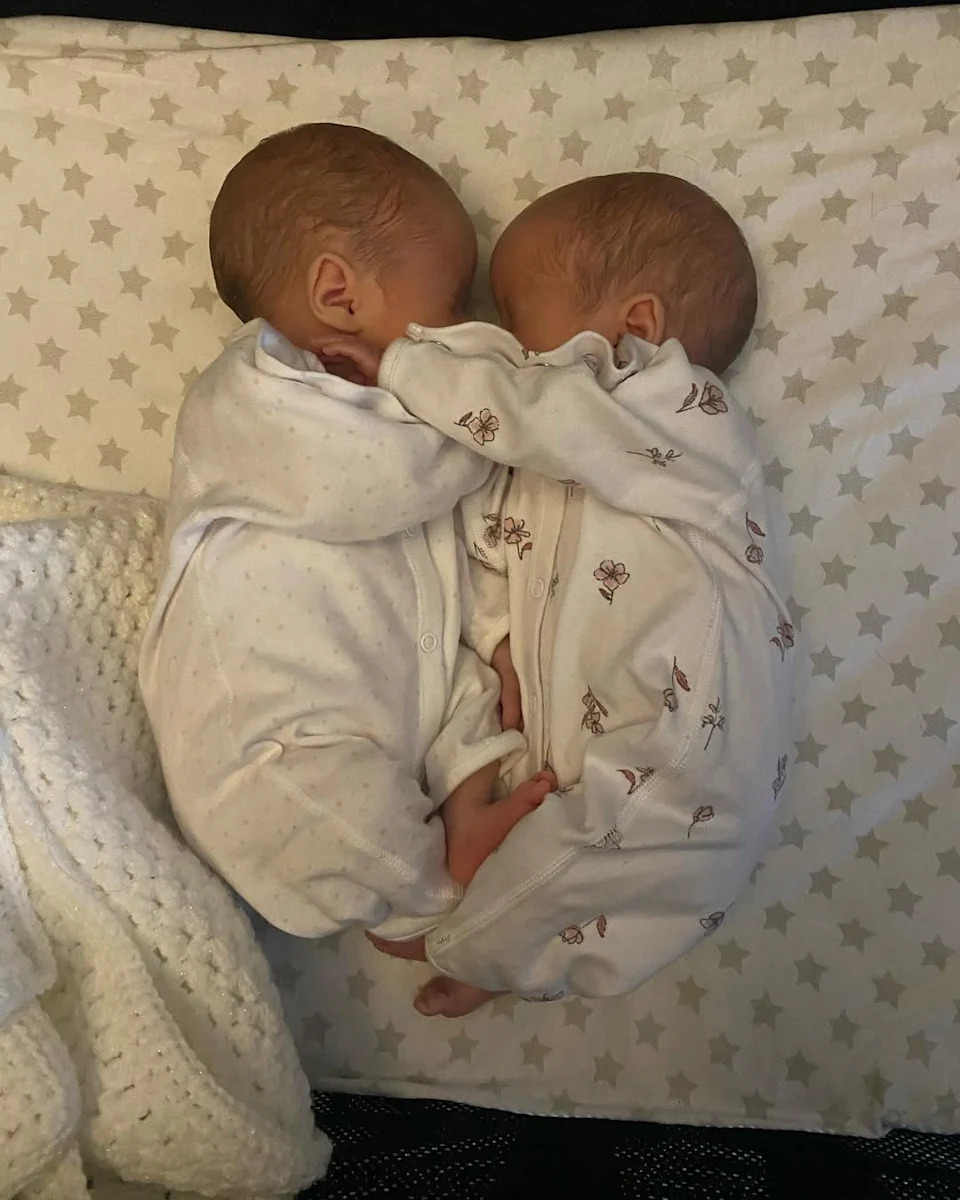
Ashley began having IVF in 2020 (Collect/PA Real Life)
After returning to her GP in 2017, she “broke down crying” and said she needed “more support”.
So, she was prescribed medication to go into a chemical menopause, to suppress the hormones that can cause endometriosis tissue to grow, but found it gave her extreme anxiety, heart palpitations and brain fog.
She was then referred to an endometriosis surgeon at the Royal Hallamshire Hospital in Sheffield.
In 2018, she had another laparoscopy, where the endometriosis tissue on her bladder was removed.
“It was incredible, I felt good to start with, but the surgeon said I should go back on the contraceptive pill to reduce the chances of endometriosis tissue coming back – but I wanted children, so did not go back on it,” Ashley added.
After being off contraception for around two years, she did not conceive.
She said: “It just never happened, I just had really painful periods again and felt awful.”
In June 2020, she went to Care Fertility Sheffield and decided to proceed with IVF, as her endometriosis made natural conception difficult.
The following month, four embryos were successfully created from her eggs and Jason’s sperm and developed for five days in the lab before one could be transferred into her uterus.
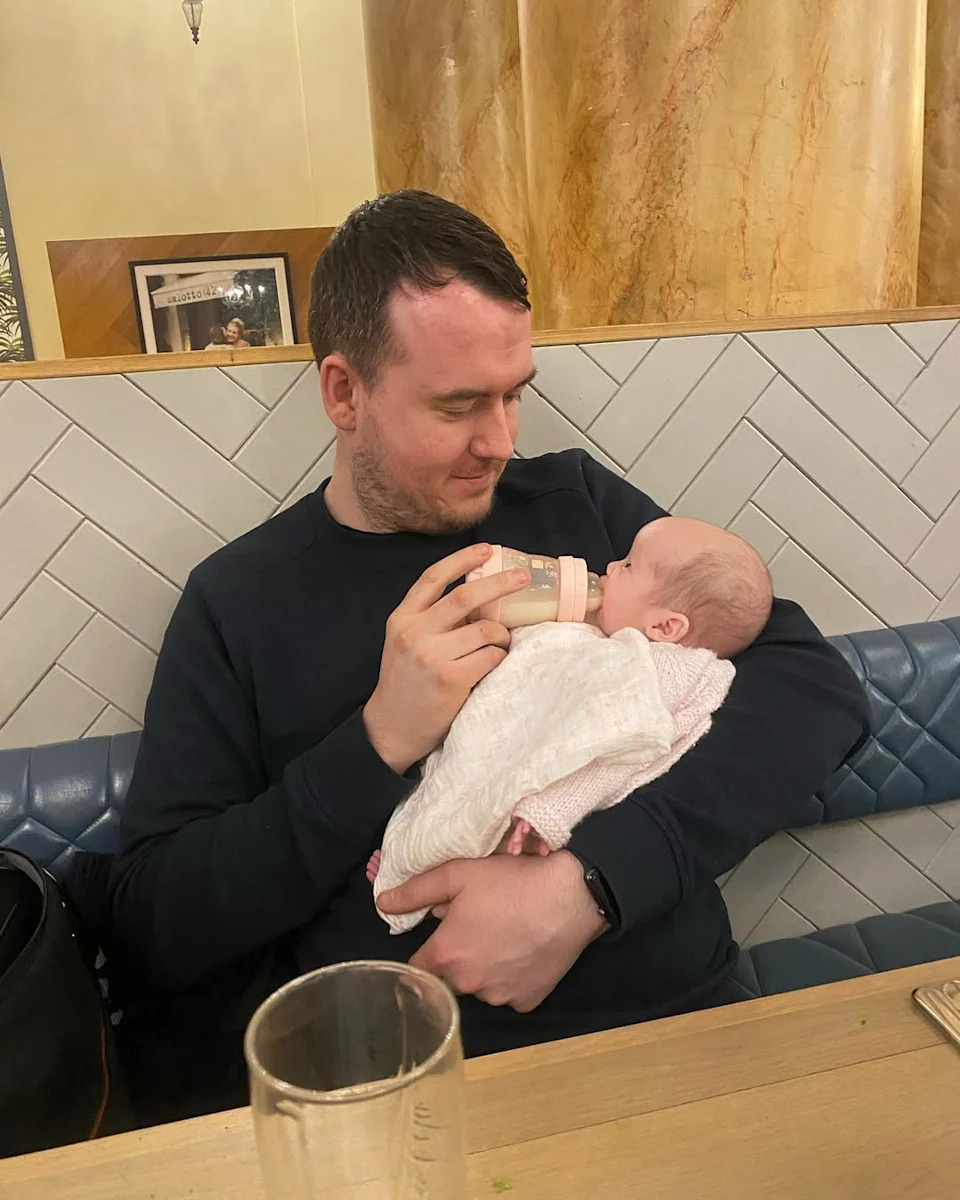
Ashley gave birth to her identical twins in 2022 (Collect/PA Real Life)
During the five-day waiting period, she “felt very bloated” and looked “really unwell” after having bouts of nausea.
She rang the clinic and, after tests, she had ovarian hyperstimulation, meaning her ovaries over-responded to the fertility medication, swelling and producing too many eggs, which can cause severe pain and bloating.
So, the embryo transfer did not go ahead, and she was admitted into Doncaster Royal Infirmary because of the pain.
“It was really tough at the time but it wouldn’t have been safe to transfer an embryo, and also, looking back now, it would have just wasted that chance for us,” Ashley explained.
“In hospital everyone kept saying I couldn’t have stronger pain relief than paracetamol because I was pregnant – I told people I wasn’t pregnant and explained the situation and no-one quite understood what was happening, it was really strange.”
In December 2020, she had an embryo transfer and tested positive, but after heavy bleeding, she experienced an ectopic pregnancy, meaning the embryo had implanted outside the uterus and was not viable.
To remove the ectopic pregnancy at the Royal Hallamshire Hospital in Sheffield, she was offered surgery, with the surgeon commenting, “your fallopian tubes are knackered anyway because of endometriosis so you might as well have it”.
She did not want to go through surgery again, so opted for an injection, which meant she could not get pregnant for another six months because the medication was toxic.
She said: “Because it was Covid, I had to decide this on my own in hospital, with Jason waiting in the car.
“The doctor who did the injection said I can just try again, as if it was no big deal.”
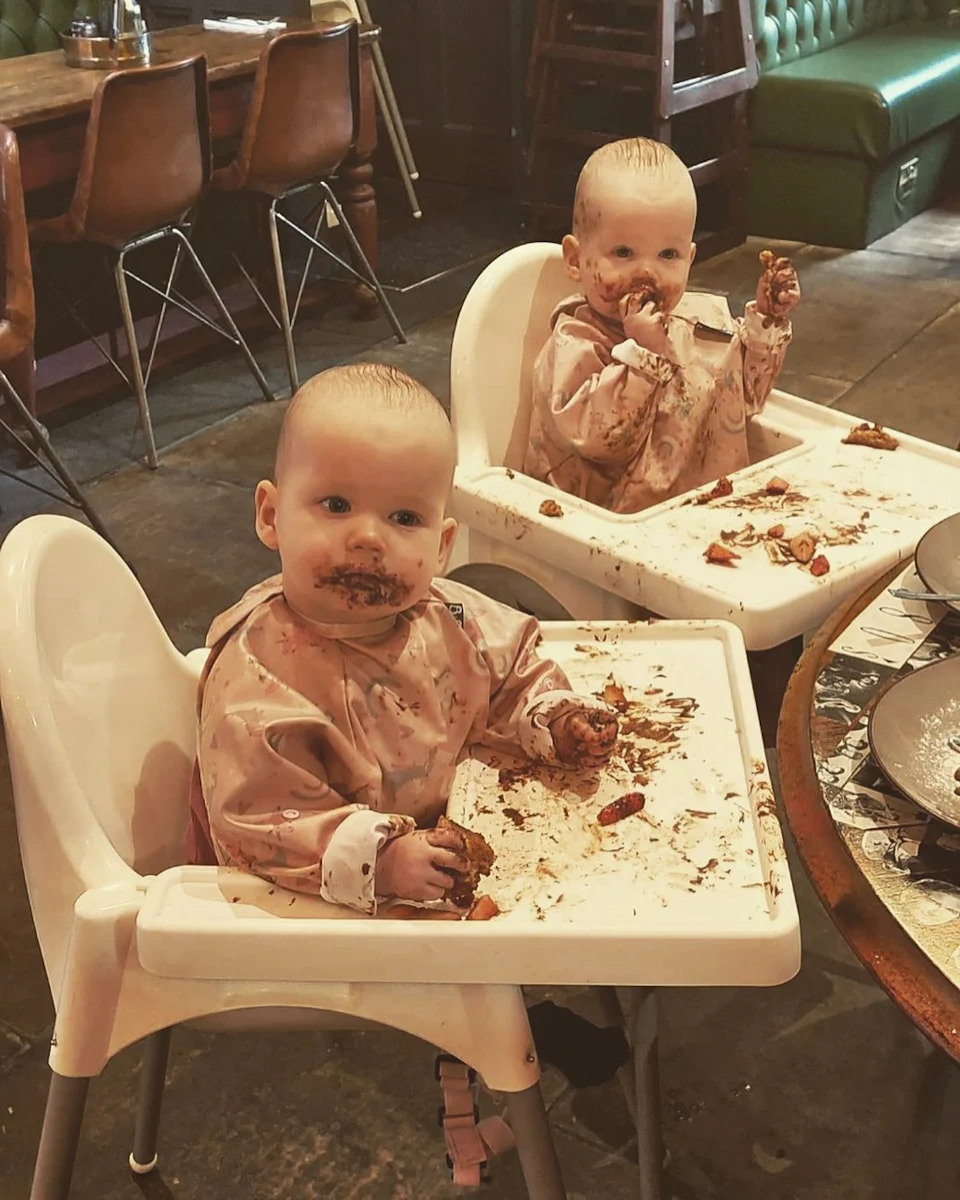
Ashley worries that her daughters will also have endometriosis (Collect/PA Real Life)
In 2021, she had two miscarriages after IVF, and was left “heartbroken”.
“I remember being in bed and the bleeding was really bad but I was trying to stay hopeful,” she added.
“I think it made me stronger in the end, but it was so tough at the time.”
After their final IVF attempt, Ashley fell pregnant in April 2022.
She said: “I felt very nervous throughout the pregnancy and just felt like something was going to go wrong.
“It was a really precious pregnancy, but I had really bad sickness, I was in hospital on drips, I was on crutches because I had such bad pelvic pain.”
She had her two daughters at 33 weeks in December 2022 and “felt so lucky” and could not “stop staring at them”.
Since then, she said she has experienced post-natal depression and her endometriosis symptoms have returned, so she continues to have severe bloating, pain and constipation.
Looking ahead, she does not want her daughters to have endometriosis and to suffer the same pain and struggles she has experienced.
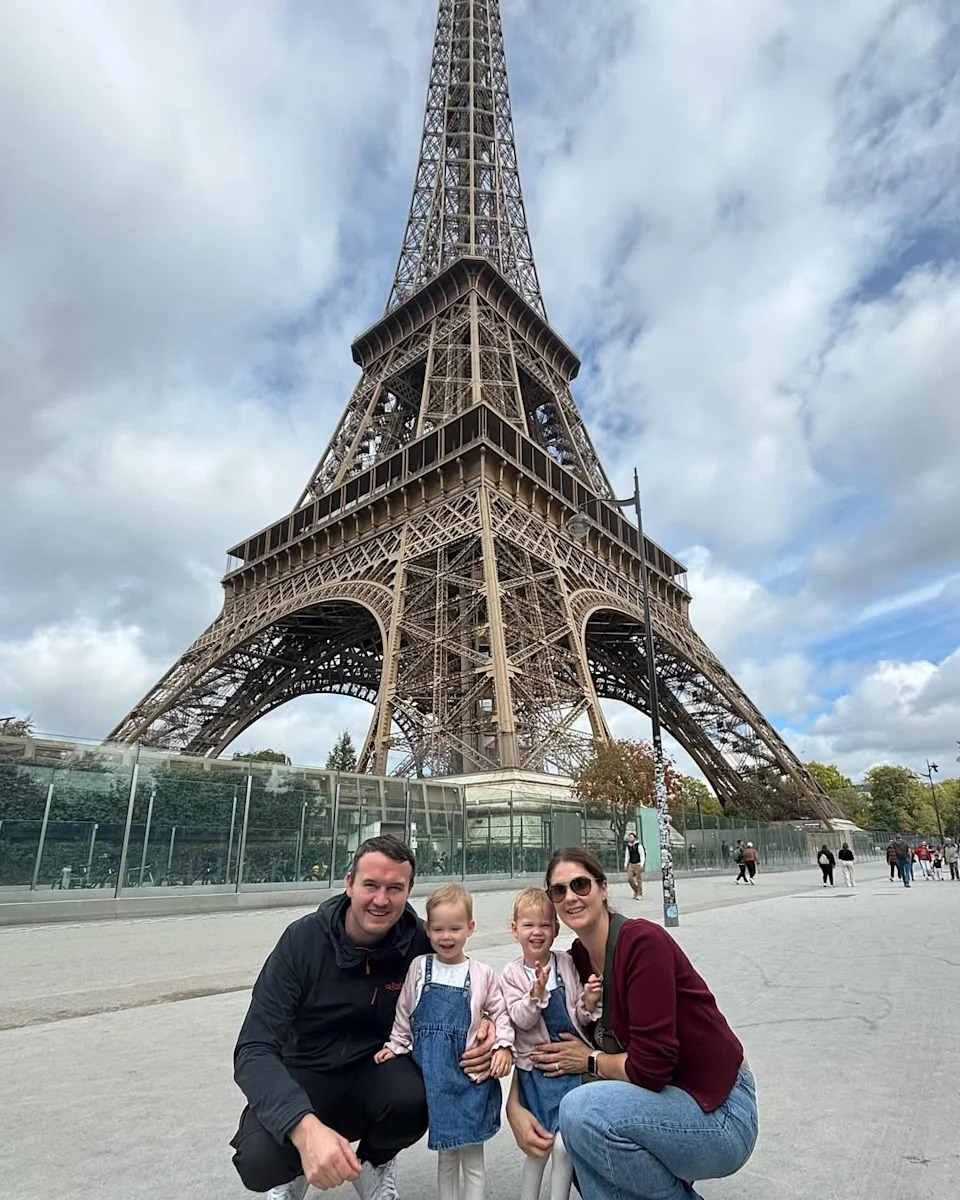
Ashley has donated her embryos for miscarriage research to try to help others (Collect/PA Real Life)
“I worry about what it’s going to be like for them, I just hope things get better,” Ashley explained.
Ashley has donated her embryos for miscarriage research to try to help others.
Dr Nick Mallaband, acting executive medical director at Doncaster and Bassetlaw Teaching Hospitals, said: “The understanding, diagnosis and management of endometriosis has changed significantly in recent years, and care is now guided by clear Nice‑aligned clinical pathways and delivered by gynaecologists with specialist interest and knowledge in the condition.
“We recognise the impact endometriosis can have on people’s lives and remain committed to ensuring patients are listened to, supported and receive care that reflects the latest clinical guidance.”
Jane McNicholas, chief medical officer at Sheffield Teaching Hospitals NHS Foundation Trust, said: “We were only involved in the later part of Mrs Emmerson’s care in 2020 which involved a procedure relating to her ectopic pregnancy and successful treatment for her endometriosis.
“We have specialist endometriosis clinics with a multi-disciplinary team to provide care and support for women.
“We have not received a complaint and there is no mention of poor communication in her notes but clearly, we expect communication with all our patients to be respectful and compassionate and so we apologise if this was not the case.
“Sadly in 2020 there were national restrictions in place due to Covid-19 which may have prevented Mrs Emmerson’s husband being physically present for some of her care and we understand this would have been very difficult at such as distressing time.”
For more information about Care Fertility, visit: carefertility.com.