
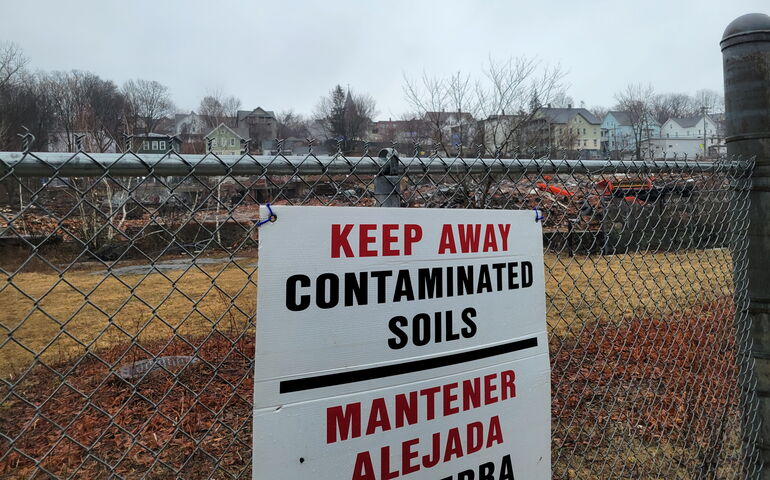
Connecticut has officially replaced its long-standing Transfer Act with a new release-based environmental cleanup program, marking a major shift in how the state regulates contaminated properties.
The new framework took effect March 1, when the roughly 40-year-old Transfer Act formally sunset. The updated system focuses on identifying and addressing pollution releases when they occur or are discovered, rather than tying cleanup requirements to certain real estate transactions.
State officials said the change is intended to accelerate environmental remediation and make it easier to redevelop properties affected by historic industrial pollution.
The Transfer Act, adopted in the 1980s, required environmental review and cleanup obligations to be triggered when certain industrial or commercial properties were sold. Over the decades, nearly 5,000 properties entered the program, according to state officials.
Critics long argued the law slowed real estate transactions and redevelopment because it required costly environmental reviews even when there was no evidence of contamination.
The new system instead requires property owners to investigate and address pollution releases as they occur or when they are uncovered, bringing Connecticut’s approach more in line with other states.
The updated regulations were approved by the General Assembly last year following a multiyear effort led by the Department of Energy and Environmental Protection and Department of Economic and Community Development (DECD).
State officials worked with industry stakeholders, including environmental attorneys, real estate professionals and licensed environmental professionals, to develop the framework.
The release-based program also includes a new online reporting and tracking system designed to provide greater transparency into environmental cleanup efforts across the state.
State officials said the new approach could help spur redevelopment of contaminated or blighted sites, including former industrial properties that have remained difficult to redevelop under the previous regulatory framework.
Economists at the DECD estimate the shift to a release-based system could generate more than 2,100 construction jobs, $3.78 billion in additional economic output and about $115 million in new state revenue over the next five years.