
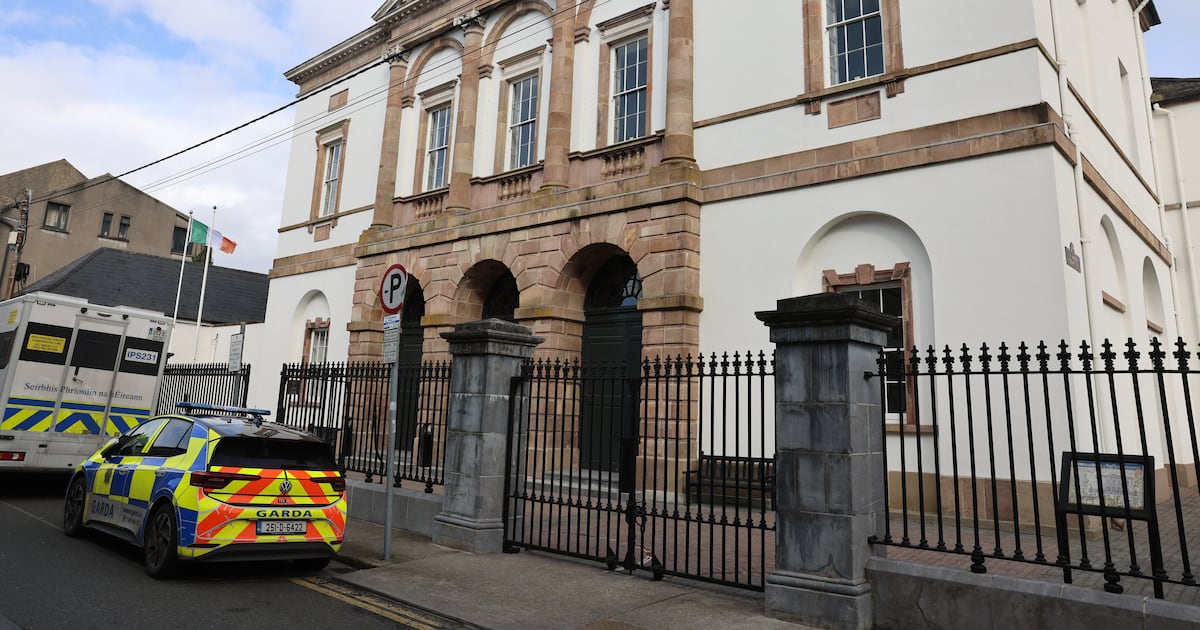
Lawyers for Coolmore have asked the Circuit Court not to impose the maximum penalty of €250,000 for each of four breaches of environmental laws involving the destruction of hedgerows.
Shem Drowne Ltd, a Coolmore company whose directors are Conor Spain and David Gleeson, pleaded guilty at Clonmel Circuit Court last December to four charges brought by the Department of Agriculture over the destruction of more than 1,150m of “historic hedgerows”.
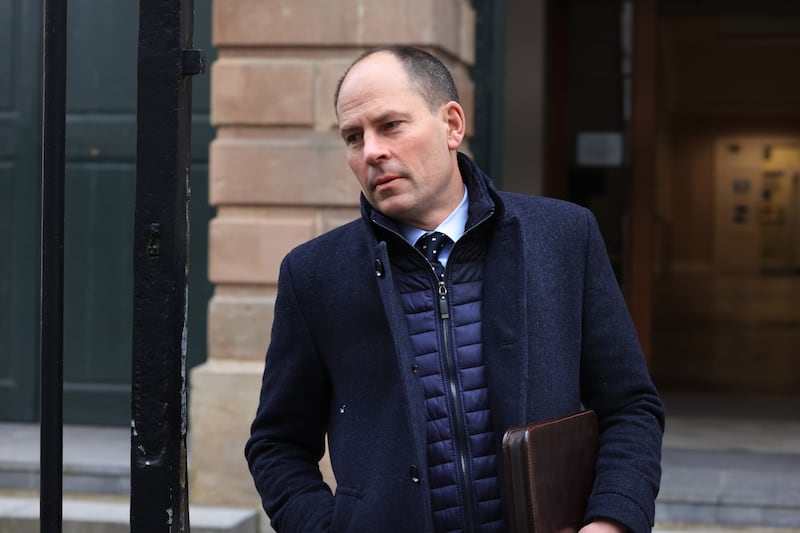 David Gleeson, a director of Shem Drowne Ltd, leaving Clonmel Circuit Court. Photograph: Dara Mac Dónaill
Judge Deirdre Browne on Wednesday heard submissions from the company’s barrister, Michael Delaney, about what sentence should be imposed for the four offences, the first recorded in the State under European Union environmental laws.
Under the regulations, anyone seeking to remove more than 500m of hedgerow, or seeking to create fields in excess of five hectares (12.4 acres), must contact the department to check if an environmental screening report is necessary.
The charges were brought after complaints from Hedgerows Ireland, an environmental group headquartered in Co Tipperary that has long complained about Coolmore’s practices of removing hedgerows after acquiring farms.
Coolmore, the John Magnier-owned stud farm based in Fethard, Co Tipperary, is reported to have amassed more than 11,000 acres of farmland in Tipperary to support its business.
The offences took place at Ballygerald East, south of Cashel, in 2022 and 2023 on land bought in the names of JP Magnier and Kate Wachman, two of John Magnier’s children.
Imogen McGuinness, a senior investigator with the department, told the court in December that hedgerows were a source of important biodiversity.
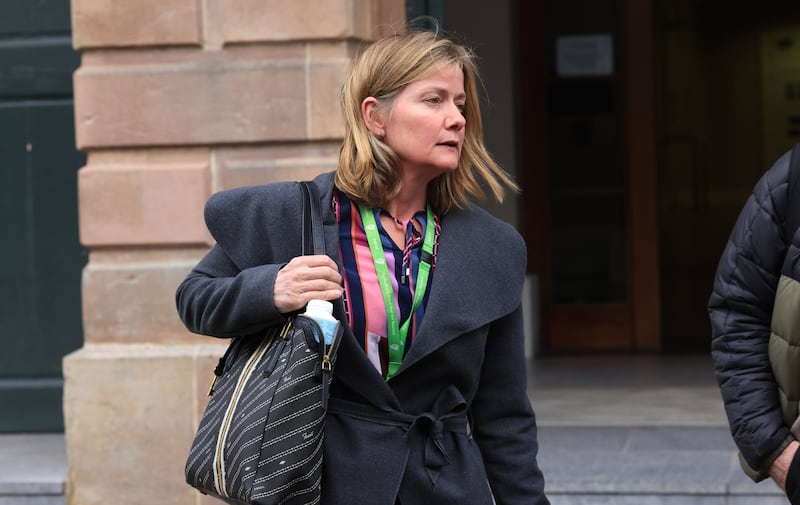 Imogen McGuinness, a senior investigator with the Department of Agriculture, at Clonmel Circuit Court on Wednesday. Photograph: Dara Mac Dónaill
She said the hedgerows in question could date from the 1700s, and the amount of material removed was “vast”.
McGuinness said a prohibition notice was served on Joe Houlihan, Coolmore’s farm manager, to prevent any further removal work in October 2022.
She said clay banks were removed in 2023 to further enlarge the fields on the farm in breach of the prohibition notice.
McGuinness said she invited both Magnier children to be interviewed but they declined, as was their right. She interviewed Houlihan under caution.
Michael Delaney, barrister for Coolmore, said in court on Wednesday that the defendant company “deeply regrets the failings that led to the breaches”.
He noted that Houlihan had said in his cautioned interview that he was not aware of the need for a screening assessment to be submitted and he had not meant to disrespect the notice to keep the earth banks.
He said Houlihan was responsible for very extensive land holdings and some of these are in the United Kingdom. Houlihan was in the UK at the time he received the phone call seeking his permission to remove the banks.
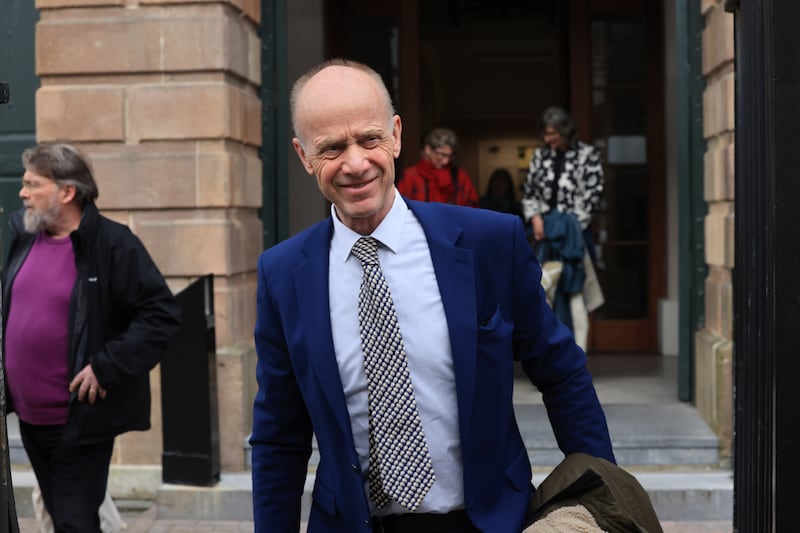 Alan Moore of Hedgerows Ireland leaving Clonmel Circuit Court. Photograph: Dara Mac Dónaill
“This is not to excuse the failings which are substantial in nature, but this is not a case where a deliberate or conscious breach of the regulations has taken place,” he said.
Delaney said Coolmore does not seek to “scapegoat” Houlihan.
As a gesture, the company made donations of €15,000 each to the Native Woodland Trust and the Society of St Vincent de Paul.
Since these events, he said, Coolmore introduced internal protocols requiring any removal of hedgerows to pass external assessment.
He said Coolmore had made several screening applications to the department since 2023, which had not been approved and these decisions were respected.
He submitted a 29-page report from John Corbett, Coolmore’s sustainable agriculture manager. This concluded that “Coolmore is a biodiverse haven for nature”.
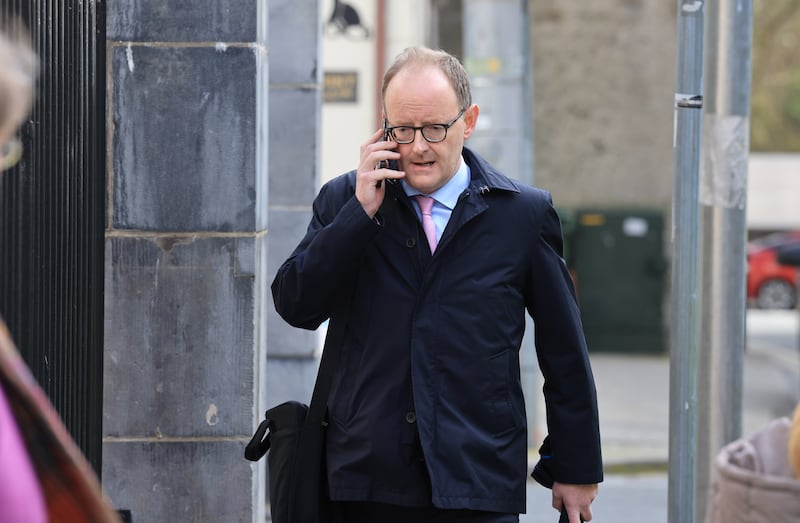 Coolmore executive Conor Spain arriving at Clonmel Circuit Court on Wednesday. Photograph: Dara Mac Dónaill
He suggested that only multiple and deliberate breaches of the regulations should be considered at the high end of the scale for fines that can reach up to €250,000 per offence.
In mitigation, he said the company had no previous offences, had co-operated with the department’s inspectors and was part of the wider Coolmore group.
The judge asked if there was any evidence about the financial capacity of Shem Drowne to cope with fines. Delaney said he was not making the case that substantial fines would undermine the future of the business.
David Humphries, barrister for the Director of Public Prosecutions, said the Coolmore company had not put any of its report to McGuinness when she was in the witness box and had not offered its own witnesses. He said the report contained professional photography of “a selective nature” and some of the planting highlighted included non-native species.
The judge reserved her sentencing until Friday.