
In the realm of artificial intelligence (AI), semiconductor giant Nvidia (NVDA 1.89%) is the king. The company’s chip architectures have evolved over the years from their original niche focus on graphics to their current role of supporting applications across the AI value chain.
As next-generation use cases across robotics, autonomous systems, and agentic AI lead to the development of more complex models, the spotlight is now beginning to shift away from graphics processing units (GPUs) and similar AI accelerators, and turn toward another type of hardware that is also in short supply: memory solutions.
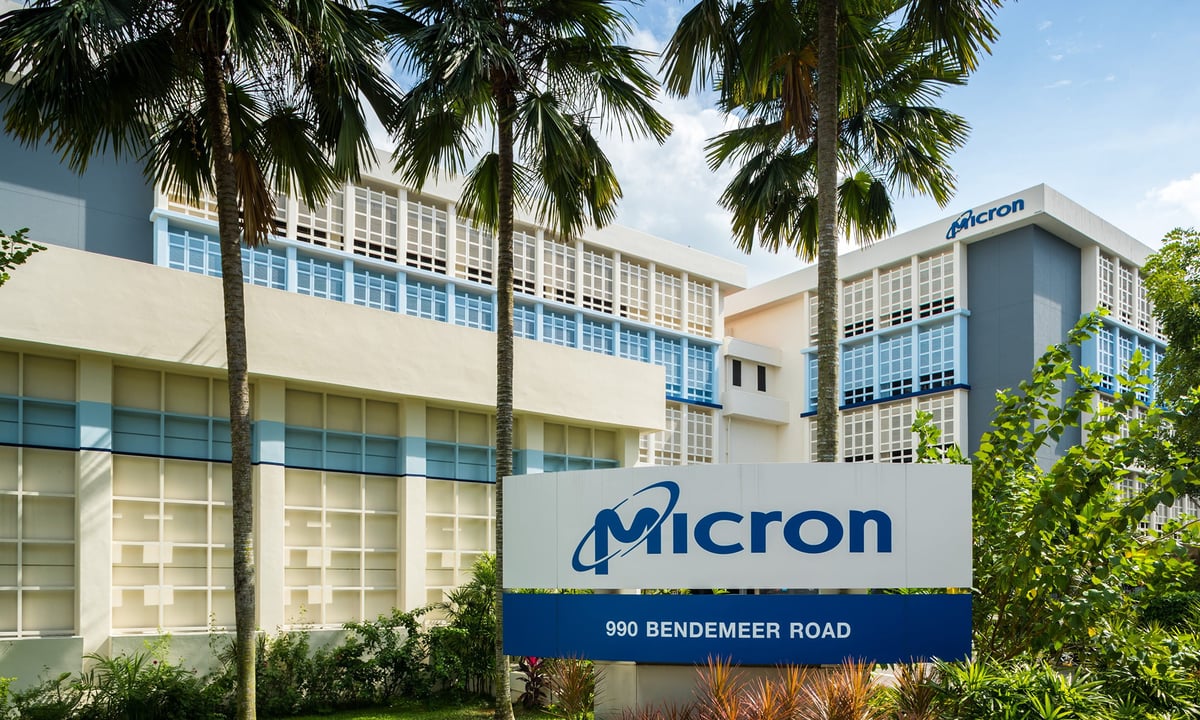
Micron Technology (MU 3.91%) is a leader in high-bandwidth memory (HBM) chips, placing it in an advantageous position amid the ongoing AI infrastructure buildout.
Could Micron be the next Nvidia?
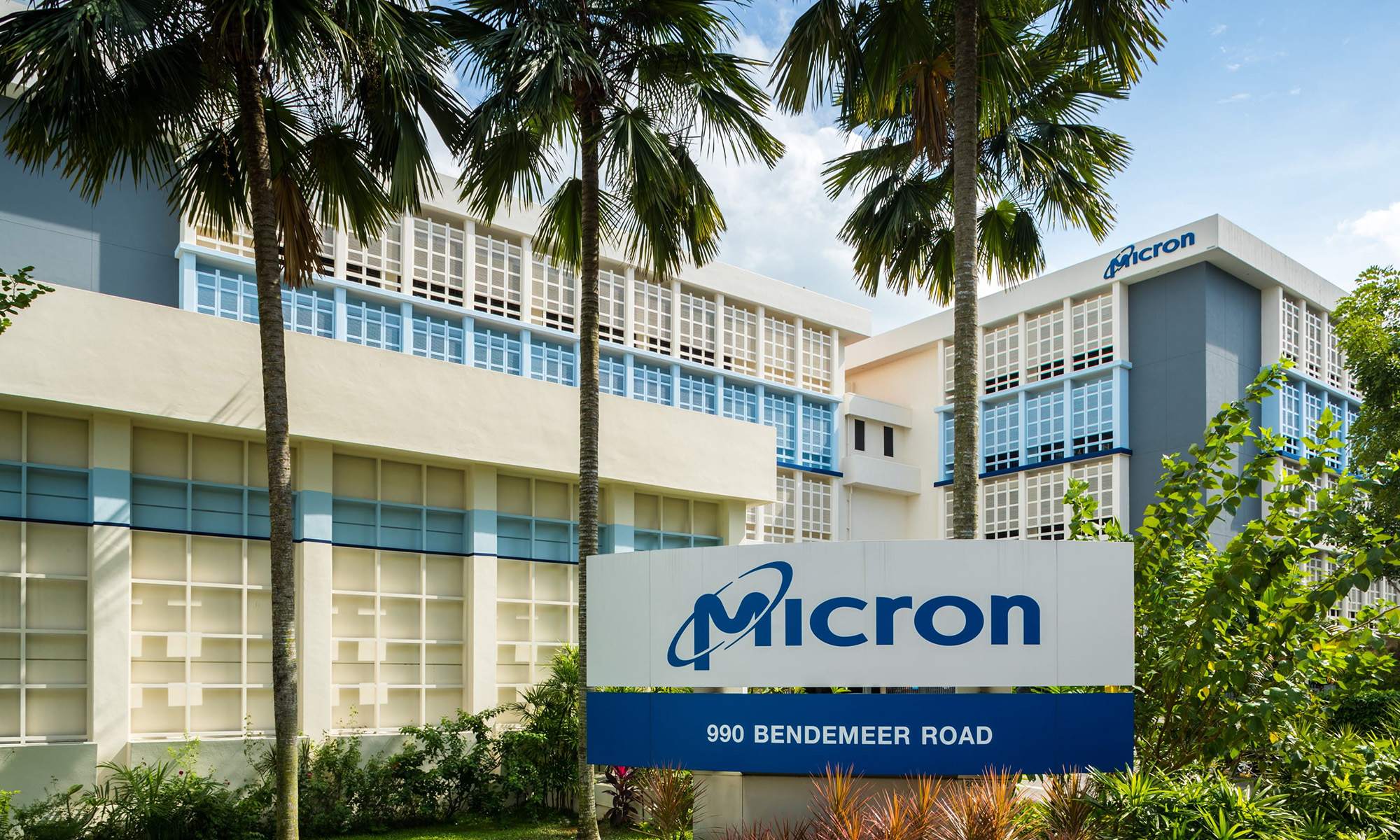
Image source: Micron Technology.
Memory solutions are becoming central to the AI ecosystem
High-bandwidth memory chips are in heavy demand in new data centers, as they are capable of facilitating fast transfer of massive volumes of data among clusters of GPUs — a key requirement for AI software. And they can do so at lower costs than legacy solutions.
As more advanced AI architectures, such as Nvidia’s Vera Rubin designs and Advanced Micro Devices’ MI400 chips, come to market, the global HBM market is expected to triple from an estimated $35 billion in 2025 to $100 billion by 2028.
To drive home how much demand there is for Micron’s HBM suite, consider that the company has already presold all the memory it will be able to produce this year and has been accelerating its investments in manufacturing infrastructure so that it can boost its production and develop next-generation HBM4 solutions.
Micron’s momentum is justified (for now)
So far in 2026, shares of Micron have rocketed by 34% — making it the second-best performer in the Nasdaq-100 index. The catalyst behind that surge has been the high demand for HBM chips.
This year, hyperscalers Microsoft, Alphabet, Amazon, Meta Platforms, Oracle, and Tesla are expected to spend between $600 billion and $700 billion on AI infrastructure. Their accelerating data center buildout plans are being limited by dual bottlenecks — shortages of memory solutions and AI accelerators.
Aspects of the current memory market supercycle parallel the conditions that led to Nvidia’s dominant rise in the early days of the AI revolution. Hence, Micron is likely to deliver superior stock performance to its shareholders for the time being.
Will Micron surpass Nvidia?
At the end of the day, Micron should be viewed as a specialist in the hardware space, offering AI developers a niche suite of solutions. Nvidia is more versatile. Nvidia’s market cap of nearly $4.4 trillion reflects the company’s dominance in both GPUs and platform software, and its broad selection of data center services.
While Micron is a key enabler of the AI infrastructure boom, its moat is simply not as robust as the one that star players such as Nvidia enjoy. In reality, Micron’s moment in the spotlight will fade, as memory solutions are highly vulnerable to product cycles. In the long run, the best AI stocks will be the integrators — not the specialists.
With all this in mind, I do not expect Micron to become the next Nvidia. However, I do think the stock could still be a worthy complement to a position in Nvidia in retail investors’ portfolios over the next few years.
Adam Spatacco has positions in Alphabet, Amazon, Meta Platforms, Microsoft, and Nvidia. The Motley Fool has positions in and recommends Advanced Micro Devices, Alphabet, Amazon, Meta Platforms, Micron Technology, Microsoft, Nvidia, and Oracle. The Motley Fool has a disclosure policy.