
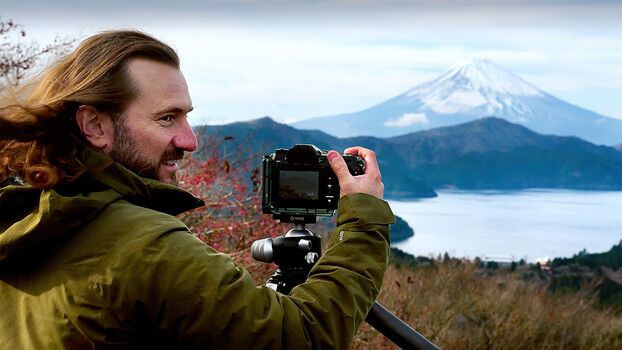
Japan is one of those countries that rewards photographers at every turn, but that very abundance can make planning overwhelming. With limited time, where do you actually go?
Over the years, Japan has become one of the most frequently requested destinations in our community, and for good reason. The country offers a density of photographic variety that is almost unmatched anywhere else on Earth. Within a single week, you can shoot ancient temples wrapped in morning fog, neon-soaked cityscapes at midnight, volcanic coastlines, alpine meadows, and snow-covered thatched villages that look like they belong in a fairy tale. The challenge is not finding something worth photographing. The challenge is choosing.
This is not an exhaustive list of every possible photo spot in Japan. Instead, it is a curated selection of 10 locations that offer the greatest return on investment for landscape and travel photographers, balancing iconic must-shoot locations with lesser-known spots that will give your portfolio images nobody else has. For each location, I have included the best time to visit, specific shooting advice, and practical logistics so you can plan an efficient photography-focused itinerary.
1. Chureito Pagoda and the Fuji Five Lakes Region
No list of Japanese photography locations would be credible without Mount Fuji, but the mountain itself is not really the subject. The subject is how you frame it. The single most iconic composition in Japan is the view from the Chureito Pagoda in Fujiyoshida, where the red five-story pagoda sits in the foreground with Fuji rising behind it. During cherry blossom season in early to mid-April, the frame fills with pink sakura, creating what is arguably the most recognizable image in all of Japanese tourism photography.
The reality of shooting this location is that you will not be alone. The viewing platform behind the pagoda is small, and during peak sakura season, photographers line up well before dawn. Arrive at least 90 minutes before sunrise if you want a front-row tripod position. The 398-step climb from the parking area takes about 15 minutes, so factor that into your timing. On clear mornings, the light hitting Fuji’s snow cap turns pink and gold within a narrow window of about 10 minutes after sunrise. Miss it and you are shooting in flat light for the rest of the morning.
Beyond the pagoda, the broader Fuji Five Lakes region offers several other excellent compositions. Lake Kawaguchiko’s northern shore provides a classic reflection shot of Fuji, particularly in autumn when the maples along the lakeshore turn crimson. Lake Shoji is smaller and less visited, offering a quieter alternative. The lavender fields near Lake Kawaguchiko bloom in late June and early July and provide a less commonly photographed foreground element.
Best time to visit: Early to mid-April for cherry blossoms, late October to mid-November for autumn color, or winter for the clearest skies and snow-capped Fuji.
Shooting tip: A 70–200mm lens compresses the pagoda and Fuji together beautifully from the platform. Wide angle lenses tend to make the mountain look small and distant. Elia Locardi covers multiple Fuji compositions and post-processing approaches in his Photographing the World: Japan tutorial series, including how to handle the tricky exposure blending required when the pagoda is in shadow but Fuji is lit by dawn light.
2. Arashiyama Bamboo Grove, Kyoto
The Arashiyama Bamboo Grove is one of those locations that lives up to the hype, but only if you arrive at the right time. The towering stalks of moso bamboo create a natural cathedral of green vertical lines, and when the light filters through from above, the effect is otherworldly. The problem is that by 8:00 a.m., the narrow path through the grove is packed with tourists shoulder to shoulder. Shooting a clean composition at midday is essentially impossible.
The solution is simple but painful: arrive at dawn. During summer months, first light hits around 4:30 a.m. and the grove is virtually empty until about 6:30. In winter, sunrise is closer to 7:00, giving you a more civilized schedule but far fewer minutes before crowds arrive. The standard approach is to walk north from the Tenryu-ji temple area into the grove, and the best light comes on overcast mornings when the diffused illumination brings out the green tones evenly. Direct sunlight creates harsh contrast and blown highlights in the gaps between stalks.
For composition, resist the urge to go ultrawide. A 35mm to 50mm focal length on a full frame body gives you the feeling of immersion without distorting the vertical lines of the bamboo. Look up. Some of the most compelling images from this location are shot nearly straight overhead, capturing the bamboo canopy converging against the sky.
Best time to visit: Dawn, any season. Autumn adds scattered yellow leaves on the path. Winter occasionally brings frost on the bamboo stalks.
Shooting tip: Bring a tripod for the low-light dawn conditions, but be aware that tripods are technically restricted in some areas during busy hours. If you want to take the technical side of shooting locations like this further, Photographing the World: Japan includes a full lesson on the Arashiyama Bamboo Forest, covering both on-location capture and the post-processing workflow Elia uses to bring out the tonal range in these challenging high-contrast scenes.
3. Fushimi Inari Taisha, Kyoto
The thousands of vermillion torii gates snaking up Mount Inari are probably the second most recognizable image in Japan after Fuji. The gates create a tunnel effect that is irresistible from a compositional standpoint, drawing the viewer’s eye through repeating curves of orange-red against the forest green beyond. There are approximately 10,000 gates on the mountain, and the full hike to the summit takes about two to three hours.
The key insight for photographers is that the lower sections near the main shrine are impossibly crowded during daylight hours, but the density of tourists drops off dramatically the higher you climb. Most visitors turn around after the first major junction. If you continue past that point, you will find stretches of gates with nobody in them, even during peak season. The upper sections also have more interesting light, as the forest canopy filters the sun and creates dappled patterns on the gates.
For the cleanest shots of the famous lower tunnel sections, you need to be there before 6:00 a.m. The shrine grounds are open 24 hours, which is unusual for Japanese religious sites. Some photographers shoot the gates at night using a tripod and long exposure, which eliminates people entirely and gives the lanterns along the path a warm glow. This is an underutilized approach that produces images very few others have.
Best time to visit: Before 6:00 a.m. for empty lower gates, or hike to the upper sections anytime. Autumn color in late November adds contrast.
Shooting tip: A 24mm to 35mm lens works best inside the tunnel sections. Expose for the gates and let the bright sky behind them blow out slightly for a high-key look, or bracket and blend later.
4. Shirakawa-go, Gifu Prefecture
Shirakawa-go is a UNESCO World Heritage village in the Japanese Alps where traditional gassho-zukuri farmhouses with steep thatched roofs have been preserved for centuries. The name gassho-zukuri means “constructed like hands in prayer,” describing the steep triangular rooflines designed to shed heavy snow. The village looks remarkable in every season, but winter is when it becomes truly extraordinary. A thick blanket of snow transforms the village into something that looks more like a miniature model than a real place.
The best overview of the village is from the Shiroyama Observation Deck, a short hike or shuttle ride above the valley floor. From this elevated position, you can see the entire cluster of farmhouses arranged among rice paddies with the mountains rising behind them. Several evenings each winter, the village holds special illumination events when the houses are lit from within and spotlights illuminate the snow-covered roofs from outside. These events draw large crowds and require advance reservations, but the resulting images are genuinely spectacular.
Down at village level, the details are just as compelling. Snowfall accumulating on the thatched roofs, icicles hanging from the eaves, and warm light glowing through small windows create intimate compositions that work beautifully as complements to the grand overview shots. If you visit outside winter, the rice paddies in late spring provide reflections of the houses, and autumn brings orange and red foliage to the surrounding hillsides.
Best time to visit: January through February for snow. Illumination event dates vary each year and are announced in autumn.
Shooting tip: For the illumination events, a 70–200mm from the observation deck isolates individual houses beautifully. At village level, a 24–70mm handles most compositions. Bring hand warmers because temperatures regularly drop below minus 5 degrees Celsius.
5. Nachi Falls and the Kumano Kodo Region
This is where the list starts to move away from the locations every photographer already knows. The Kumano Kodo is a network of ancient pilgrimage trails through the mountainous Kii Peninsula south of Osaka, and the centerpiece for photographers is the Nachi Falls and Kumano Nachi Taisha shrine complex. The 133-meter waterfall is the tallest single-drop waterfall in Japan, and it is framed perfectly by the three-story pagoda of Seiganto-ji Temple. This composition (the red pagoda in the foreground with the white thread of the waterfall behind it, set against deep green forest) is one of the most striking landscape images Japan offers, and yet it is photographed far less frequently than the locations in Kyoto or Tokyo.
The falls and pagoda are best shot from a designated viewpoint about 200 meters away. Morning light is ideal, as the waterfall faces roughly east and catches direct sun early in the day while the forest behind remains in shadow, creating natural separation. The pagoda is in shade for most of the morning, which actually works in your favor because it reduces the dynamic range challenge. A graduated neutral density filter or exposure bracketing handles the brightness difference between the falls and the surrounding forest.
Beyond the falls, the Kumano Kodo trails themselves offer incredible forest photography. The Daimon-zaka staircase, a stone-paved path lined with centuries-old cedar trees, provides a moody, atmospheric scene, particularly in the rain or early morning fog. This entire region is far less touristy than Kyoto, and you will often have these locations to yourself.
Best time to visit: Spring or autumn for pleasant hiking weather and clear skies. Rainy season in June creates dramatic fog in the mountains.
Shooting tip: Elia Locardi visited and photographed Nachi Falls and the Kumano region during the filming of Photographing the World: Japan, and the resulting lesson on composing with the pagoda and falls is one of the standout sections in the series. He covers the exposure blending required to handle the brightness of the waterfall against the dark forest in detail.
6. Biei and Furano, Hokkaido
Hokkaido is Japan’s great photographic frontier, and the twin towns of Biei and Furano in central Hokkaido offer some of the most unique landscape photography in the entire country. The rolling hills of Biei have a quality that is almost European, with patchwork fields of grain, potatoes, and flowers stretching across gentle slopes under enormous skies. In summer, the lavender fields of Furano’s Farm Tomita bloom in vivid purple rows, creating a color palette that looks oversaturated in person.
The star attraction for photographers, however, is Biei’s Blue Pond (Shirogane Blue Pond). The pond is actually a man-made feature, created as part of erosion and mudflow control works following the 1988 eruption of Mount Tokachi. Its striking electric cobalt blue color is generally attributed to colloidal aluminum hydroxide and other minerals suspended in the water, which scatter light in a way that produces the vivid blue tone. The skeletal trunks of dead larch trees standing in the water create an eerie, almost alien landscape. The pond looks best on overcast days when direct sunlight does not wash out the blue. In winter, the pond freezes and is illuminated at night, creating an entirely different but equally compelling scene.
One critical note: many of the famous rolling hills in Biei are privately owned farmland. Entering the fields is trespassing and has become a significant problem in recent years. Shoot from the roads and public viewpoints only. A telephoto lens in the 100–400mm range is extremely useful here for compressing the layers of hills without needing to step off the road.
Best time to visit: Late June through August for flowers and green fields. January through February for snow and Blue Pond illumination.
Shooting tip: Rent a car. Public transportation in this part of Hokkaido is limited, and the best shooting locations are spread across a wide area. A car gives you the flexibility to chase light across different fields as conditions change throughout the day.
7. Miyajima Island and the Itsukushima Shrine
The floating torii gate of Itsukushima Shrine on Miyajima Island is one of Japan’s most famous images, and after a major restoration completed in 2022, the bright vermillion paint is in pristine condition. The gate stands in the shallow waters of the Seto Inland Sea and appears to float when the tide is high. At low tide, you can walk out to the base of the gate, which creates a completely different set of composition options.
The timing of your visit matters enormously. Check the tide tables before you go. High tide provides the classic floating gate shot, ideally at sunset when the western sky behind the gate turns orange and pink. The gate is lit by floodlights after dark, which creates beautiful reflections in the water during high tide. Low tide reveals the seabed and allows you to shoot the gate from below, emphasizing its massive scale with a wide angle lens.
Beyond the torii gate, Miyajima Island has excellent secondary subjects. The five-story pagoda near Toyokuni Shrine sits on a hillside overlooking the town and can be composed with cherry blossoms in spring or maples in autumn. The wild deer that roam the island are completely habituated to humans and will walk directly through your composition, which can be either charming or infuriating depending on your patience.
Best time to visit: Sunset at high tide for the classic shot. Cherry blossom season (early April) or autumn color (mid-November) for the island’s secondary locations.
Shooting tip: A 16–35mm lens at the base of the gate during low tide, or a 70–200mm from the shore during high tide. The most common approach is to take the JR train from Hiroshima to Miyajimaguchi Station (about 25 minutes), then catch the short ferry to the island, which takes roughly 10 minutes. A direct ferry service from Hiroshima Peace Memorial Park also operates and takes about 45 minutes if you prefer to skip the train.
8. Kiso Valley: Magome and Tsumago Post Towns
The Kiso Valley in the Japanese Alps preserves two Edo-period post towns connected by a hiking trail through the mountains. Magome and Tsumago were stops along the historic Nakasendo highway that once connected Kyoto and Tokyo, and both towns have been meticulously preserved with wooden buildings, stone-paved streets, and absolutely no modern signage or utility poles visible from the main thoroughfares. Walking through either town feels like stepping backward several centuries.
This is one of the best locations in Japan for photographers who want images that feel timeless and uncluttered. The absence of modern visual intrusions means you can shoot wide compositions without worrying about cropping out vending machines or power lines. The trail between the two towns is about 8 kilometers and takes roughly three hours, passing through cedar forests, past waterfalls, and over a mountain pass. The hike itself provides excellent forest photography, and arriving in the destination town on foot means you experience it first in the quiet of midday when most tour buses have left.
Tsumago is the better preserved of the two towns and has stricter preservation regulations. The main street is closed to vehicle traffic, making it the stronger choice for photography. Magome is built on a steeper hillside, which provides more varied elevation and compositions that include the surrounding mountains. If you can only visit one, choose Tsumago. If you have a full day, hike from Magome to Tsumago and shoot both.
Best time to visit: Mid- to late October for autumn foliage. Early morning in any season for empty streets.
Shooting tip: Leave your telephoto in the bag. A 24–70mm or even a 35mm prime is all you need here. The narrow streets reward a standard focal length, and the lack of modern distractions means you can compose cleanly without needing to crop tightly.
9. Takachiho Gorge, Miyazaki Prefecture (Kyushu)
Takachiho Gorge is one of Japan’s most dramatic geological formations, and it remains remarkably under-visited by international photographers. The gorge was carved by the Gokase River through columnar basalt created by ancient volcanic eruptions, and the result is a narrow canyon with perfectly geometric cliff walls rising up to 100 meters on both sides. The Manai Falls (Manai-no-taki) drops 17 meters into the gorge, and the combination of the falls, the basalt columns, and the emerald green water below creates a scene that looks almost digitally rendered.
The most popular perspective is from the rental rowboats that operate on the river below the falls, but these are not practical for serious photography with a tripod. Instead, walk to the pedestrian bridge and viewing platforms along the gorge’s rim. The bridge provides a direct overhead view of the boats and falls together, while the walkway downstream offers a more traditional landscape composition with the cliff walls framing the water. The gorge is in shadow for much of the day due to its depth, which means the light is soft and even, perfect for long exposures that smooth the waterfall and river surface.
Getting to Takachiho requires some effort. The gorge is located in rural Miyazaki Prefecture on the island of Kyushu, about 97 kilometers by road from Mount Aso’s volcanic crater, roughly a two- to three-hour drive depending on conditions. There is no train station in Takachiho, but highway buses run from Kumamoto and Fukuoka. Renting a car is the most practical option and allows you to combine the gorge with a visit to Mount Aso.
Best time to visit: Late April through May for fresh green foliage, or mid-November for autumn color. Overcast days are actually preferable due to the deep gorge.
Shooting tip: Bring a neutral density filter for long exposures of the waterfall even in the gorge’s shade. A circular polarizer is essential for cutting glare on the water and saturating the green tones of the foliage.
10. Miho no Matsubara Beach, Shizuoka
This is the sleeper pick on the list, a location that most international photographers have never heard of but that delivers one of the most beautiful compositions in Japan. Miho no Matsubara is a pine-lined beach on the Miho Peninsula in Shimizu Ward, Shizuoka City, and on clear days, Mount Fuji rises to the north-northeast across Suruga Bay. The combination of the twisted, wind-sculpted black pine trees in the foreground, the dark volcanic sand beach, and Fuji in the background creates a composition that is distinctly Japanese but entirely different from the typical Fuji shots at Chureito Pagoda or the Five Lakes.
The beach is a UNESCO World Heritage Site, considered part of the broader Fuji cultural landscape, but it receives a fraction of the visitors that the Five Lakes region attracts. The best conditions for photography are on winter mornings when the air is clearest and Fuji’s snow cap is most prominent. The pines along the shoreline create natural frames, and the black sand provides a moody, desaturated foreground that contrasts beautifully with the mountain.
The location is easily accessible from Shimizu Station on the JR Tokaido Line, about 25 minutes by bus. It is also relatively close to Shizuoka City, which has bullet train service from both Tokyo and Kyoto. If you are making the standard Tokyo-to-Kyoto journey, a stop in Shizuoka specifically for this beach is well worth the detour.
Best time to visit: December through February for the clearest skies and most prominent snow cap on Fuji. Early morning for the best light on the mountain.
Shooting tip: A 35mm to 85mm focal length works well here, using the pine trees as foreground framing elements. This location was featured in Elia Locardi’s Photographing the World: Japan II: Discovering Hidden Gems, which specifically focused on lesser-known Japanese locations that deliver portfolio-worthy images.
Planning Your Japan Photography Trip
A few practical notes for anyone planning a photography-focused trip to Japan. The JR Pass covers most bullet trains and JR local lines across the country, though it is not valid on the fastest Nozomi and Mizuho Shinkansen services without purchasing a separate supplement. Following a major price increase in October 2023, the pass is no longer the automatic bargain it once was. A 14-day pass now costs 80,000 yen, and with a Tokyo-to-Kyoto one-way ticket running about 13,320 yen on the Hikari, you need roughly six one-way legs (three round trips) between major cities to break even. Whether the pass makes financial sense depends entirely on your itinerary, so run the numbers for your specific route before purchasing. For photographers hitting three or more widely separated regions, it can still work out, but for a simple Tokyo-Kyoto-Osaka loop, buying individual tickets is often cheaper. The country’s train system is so punctual and comprehensive that you can plan an ambitious multi-location itinerary with confidence, though renting a car in rural areas like Hokkaido and Kyushu dramatically improves your flexibility.
Japan’s drone regulations are strict and complex. Flights over Densely Inhabited Districts (which cover most major urban areas), near airports, and above 150 meters require advance permission from the Ministry of Land, Infrastructure, Transport and Tourism. National parks do not have a blanket legal prohibition on drones, but park authorities commonly ask visitors to refrain from flying them due to noise concerns, and many popular sites have their own posted restrictions. For a visiting photographer on a limited schedule, navigating the permitting process is rarely practical. Focus on ground-level compositions and you will not miss much.
For those who want to take their landscape and travel photography further, Fstoppers offers two comprehensive tutorials filmed entirely in Japan. Photographing the World: Japan covers Elia Locardi’s approach to capturing iconic locations including Arashiyama, Osaka Castle, Nachi Falls, the Shibuya Scramble, and Mount Fuji. The follow-up, Photographing the World: Japan II: Discovering Hidden Gems, goes deeper into lesser-known spots like the Wakayama gardens, Daigo-ji Temple, and Miho no Matsubara. Both tutorials include on-location shooting lessons and complete post-processing walkthroughs with every raw file included, so you can follow along and recreate each edit from start to finish. If you are newer to landscape photography and want to build a foundation before tackling Japan, Photographing the World: Landscape Photography and Post-Processing covers Elia’s core techniques across Iceland and New Zealand and serves as an excellent starting point for the series.
All images by our incredible instructor Elia Locardi.