
A study published by the American Academy of Neurology has provided clear guidance for neurologists on how to interpret health data collected by non-FDA approved wearables, encouraging them to see the information as a valuable supplement to traditional care.
What it means for you is to not only keep wearing your smartwatch or smart ring, but also consider sharing the data with your doctor should the need arise, as it may help with diagnosis or health management more than you think.
Worth wearing a health-tracking wearable
The study specifically talks about consumer-grade wearable technology, and not devices which have features that have been cleared, approved, or authorized by the Food and Drug Administration (FDA).
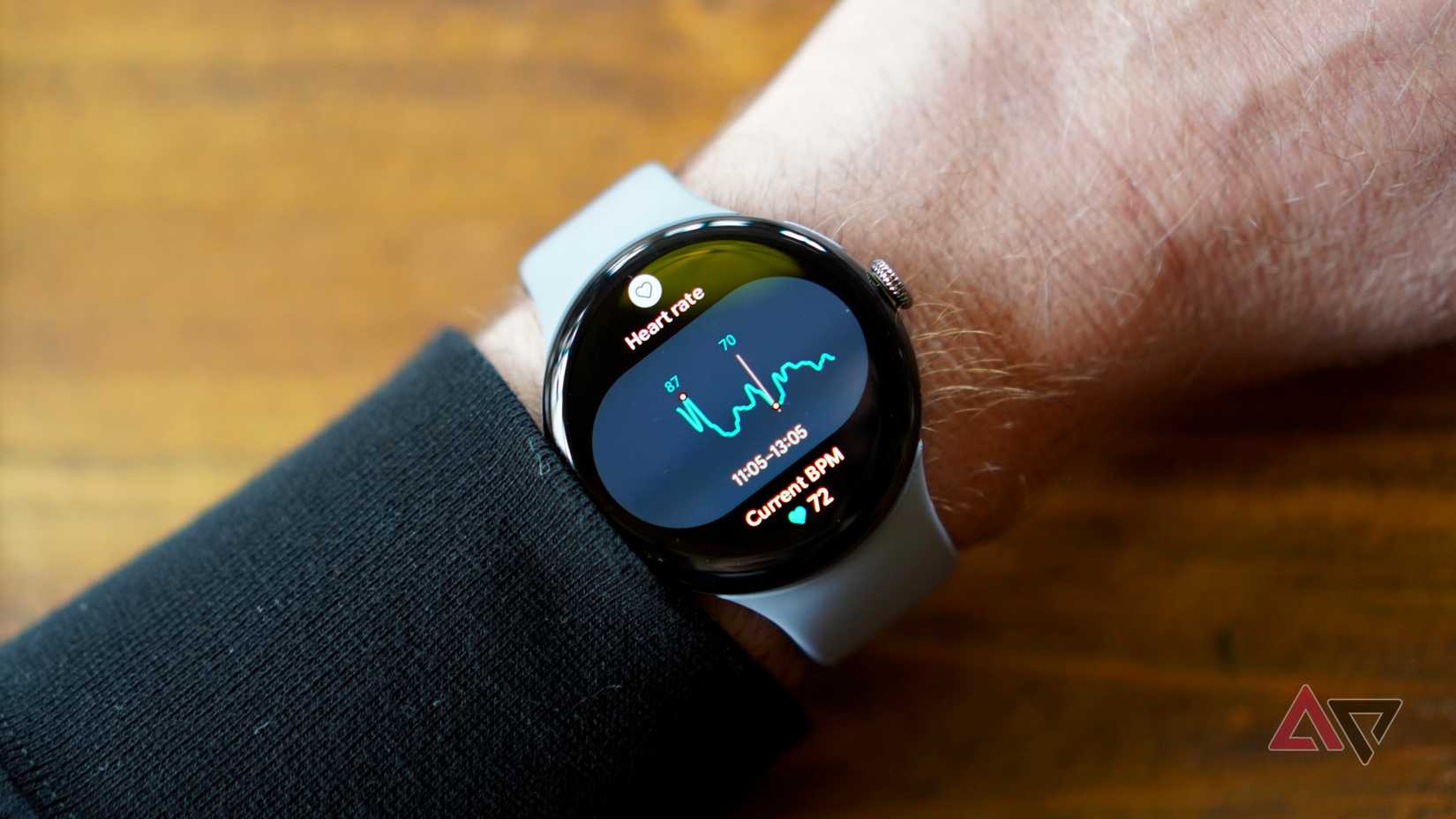
This can be a confusing distinction. Some wearables have specific features which are FDA-cleared, such as the Pixel Watch 4’s loss of pulse detection and atrial fibrillation detection features, while other health-related features may not have any clearance at all.
Some other devices may not have any degree of FDA clearance, yet share similar sensor arrays, such as the Oura Ring 4. Instead, it falls into a relatively new category and referred to as a “general wellness product” made to support overall healthy habits.
Where wearables are making an impact
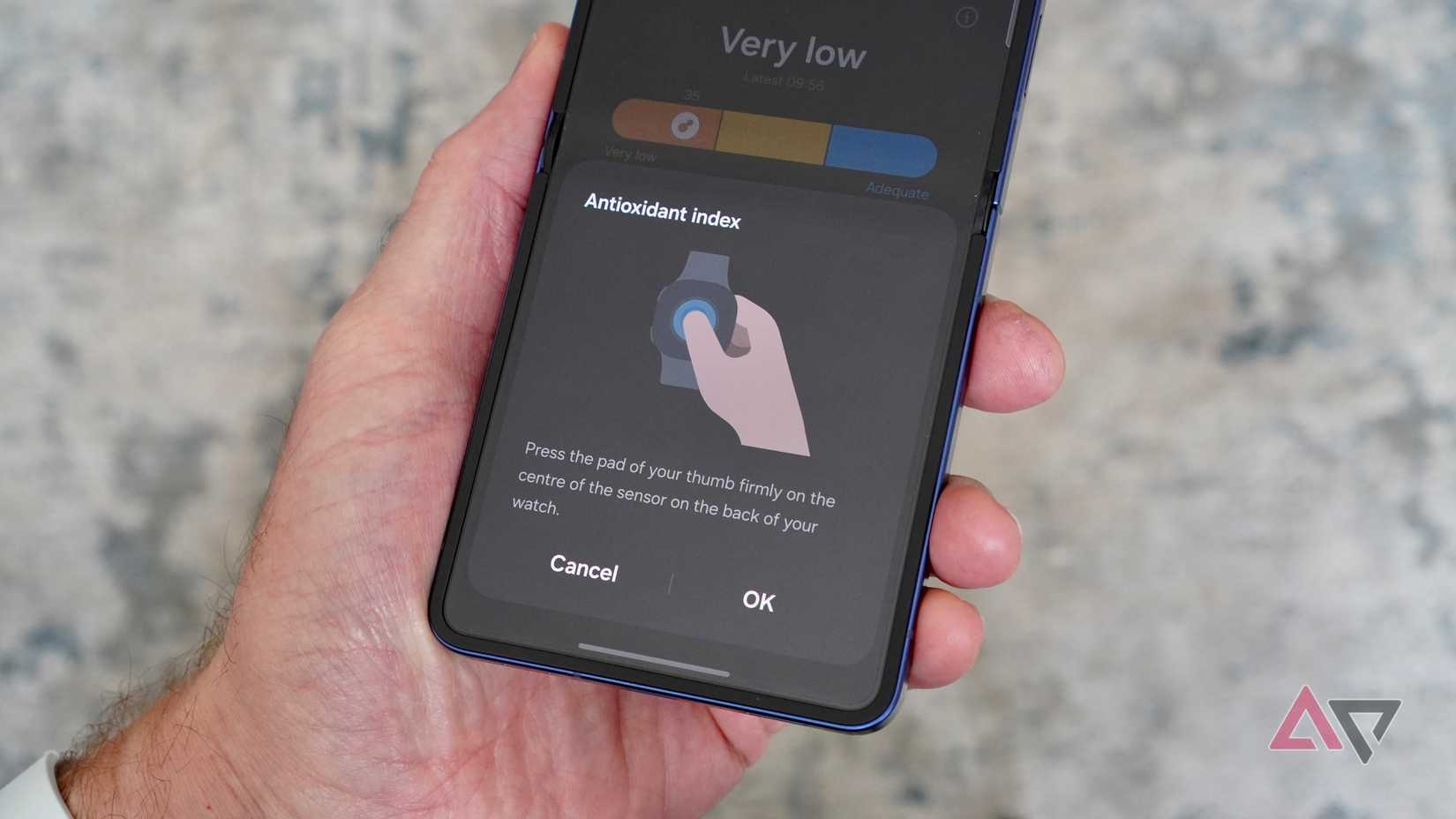
Instructions on how to take the Antioxidant Index test on the Samsung Galaxy Watch 8
The study highlights four key areas where neurologists are seeing important data coming from consumer wearable devices. These are stroke detection, sleep monitoring, headache and migraine tracking, and epilepsy.
Epilepsy management is an interesting example of the study’s advice. It mentions there is only one FDA-cleared wearable with sensors designed for epilepsy management, and patients have preferred to wear a less obvious medical device instead.
The study notes:
Standard features of consumer devices such as smartwatches and other heart rate monitoring devices can also provide clues to seizures. This is important for neurology providers because many people with epilepsy are unaware of their seizures.
For instance, most clinically significant seizures are associated with a rapid increase in heart rate of >10 bpm or ≥20% from baseline.
Unexplained changes in logged heart rate, especially when coupled to other features, could be a clue to the patient and their clinician that there was an unrecognized seizure.
Wearables are also proving useful to identify headache disorders, with the study stating:
In a study of people with various headache types who were asked to complete emailed daily headache diaries and to use a daily Fitbit device, when a headache was present, participants slept more, had less physical activity, and had a lower maximum heart rate.
In cases of monitoring for atrial fibrillation, the study says smartwatches and smart electrocardiogram (ECG) devices can be a useful screening tool, where a physician may recommend medical-grade tests if an unexpected condition shows up.
It’s a similar recommendation for sleep tracking, stating studies have shown consumer sleep trackers can help improve sleep priorities and help prompt a change in sleep habits. It adds:
These devices offer comfortable, naturalistic evaluation of sleep for people in their customary home sleep environments without the need for expensive, resource-intensive, and scarce in-laboratory sleep evaluations.
Why taking the data seriously is recommended
The study is notable because it gives neurologists clear guidance on how to interpret and use the data collected by normal wearables, where the limitations are, and why people may already use, and prefer them to medical-grade, fully FDA-approved devices.
Some patients will prefer to use consumer devices because of immediate access, affordability, less involvement of insurance companies, ease of use, lack of stigma, and direct access to their personal data.
There is great potential for this technology to provide a more complete and consistent data set for each patient.
This would allow for greater insights into their personal level of disability from neurologic disease and possible identification of triggers to allow for a more individualized and successful treatment plan.
However, while the study goes some way to validating the data collected by a smartwatch or smart ring, it also comes with pertinent warnings. It specifically talks about the rise of heightened anxiety around health problems due to constant access to biometric data, and the need for physicians to discuss this possible situation with patients.
The study refers to non-FDA cleared or approved wearables as screening tools, not diagnostic tools, and it’s important for wearers to remember to put data into context based on symptoms and historical trends.
This aside, it’s an important step in helping health care providers better understand how to use the wealth of data collected by the devices on our wrists and fingers.