

Some of the secrets of Irish stout have been locked up alongside digitised copies of The Divine Comedy, The Scream and Vatican papers in a frozen vault in the Arctic Circle to give them the best chance of surviving any cataclysmic event that may befall the planet.
Guinness has deposited a digitised selection of its historical archive – including copies of its 9,000 year lease on St James’s Gate, the dancing man ad and toucan pictures into the Arctic World Archive in the Norwegian town of Svalbard to ensure the black stuff’s enduring impact on Ireland will be remembered if the end of the world as we know comes to pass.
In doing so it becomes the first Irish brand to contribute to the secure, permafrost-protected vault which digitises and store key documents from companies and countries for fees that start at around €10,000.
It means future humans might be in a position to learn how to make and pour a pint of plain long after the current guardians of Guinness have faded away.
The company’s archive includes a replica of Arthur Guinness’s Brewing Book documenting his decision to cease ale brewing and focus solely on porter and the brewer’s patent collection.
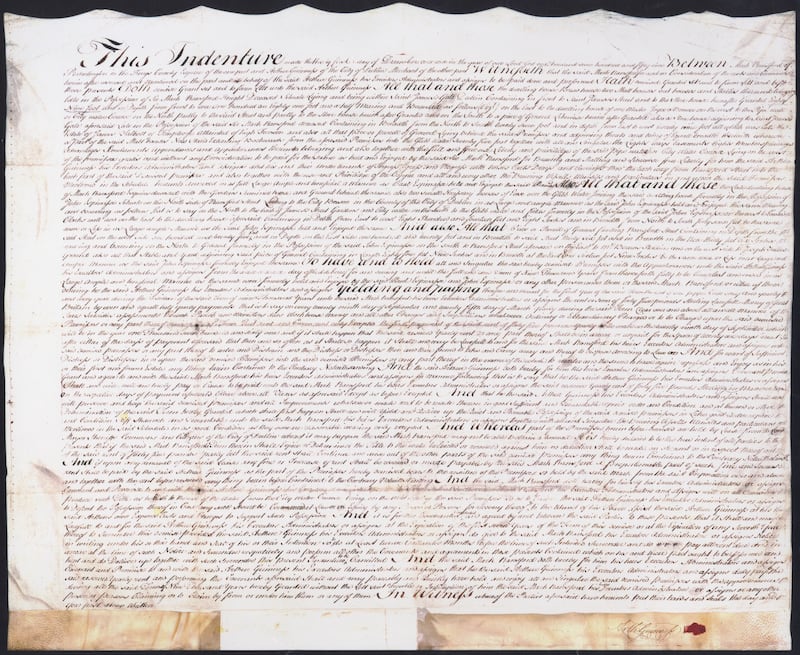 Arthur Guinness’s 9,000-year lease for St James’s Gate in Dublin. Photograph: Guinness
Images of the first Guinness label from 1862 have also been locked away in the Arctic vault, along with a digitised collection of records tracing the evolution of trademark labels from 1862 to the 2020s and copies of print and video advertisements since 1929.
Arctic World Archive started in 2017 as an initiative by Norwegian tech company Piql to preserve humanity’s most valuable data from global upheaval, using ultra-durable, future-proof film stored deep in the repurposed Svalbard coal mine.
It includes copies of some global treasures including manuscripts from the Vatican library, Dante’s Divine Comedy and Edvard Munch’s The Scream. The records are stored on what is described as future-proof film 300 metres inside a former coal mine in Longyearbyen, around 600 miles from the North Pole.
The archive says it is designed to safeguard cultural records for at least 1,000 years.