
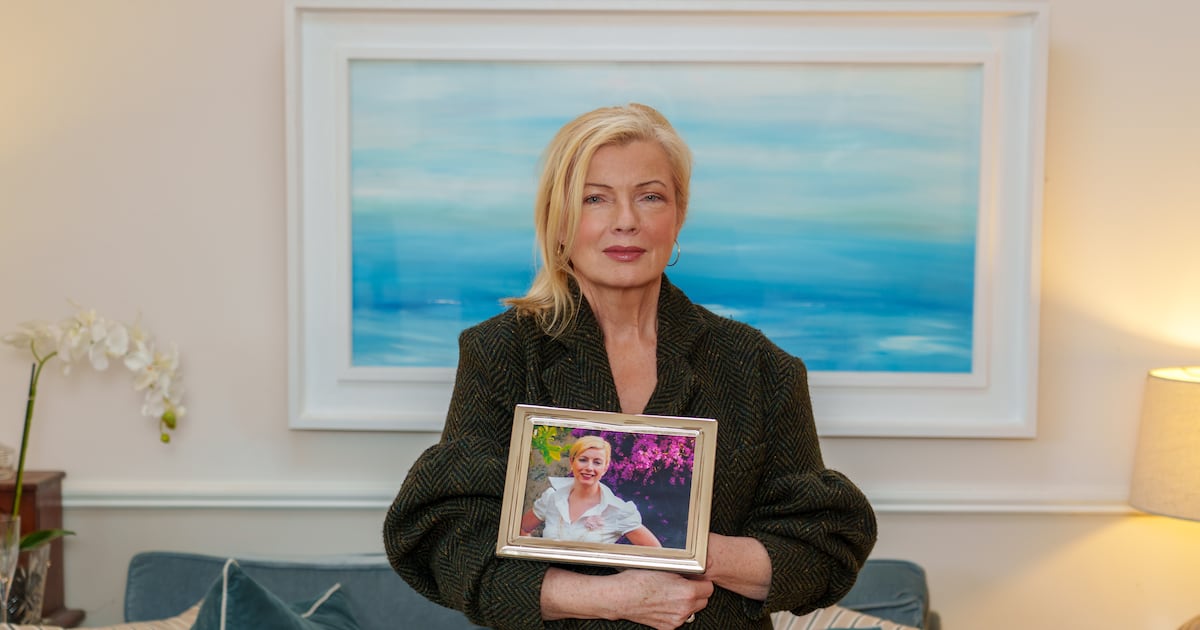
The family of a woman murdered by her husband in Dublin 20 years ago have said they are distressed he has been granted day release from prison.
Siobhán McLaughlin (38) was murdered by her husband, Brian Kearney, at their family home in Goatstown, south Dublin on February 28th, 2006.
Two years later, Kearney was sentenced to life in prison after being found guilty of her murder at the Central Criminal Court.
During the trial, the jury was told Kearney used the flex of a vacuum cleaner as a ligature before trying to hoist his wife over a door in her bedroom.
Siobhán was in the process of filing for a divorce at the time. The couple’s son Dan, who was just three years old, was in the house at the time.
Kearney will be released from Dublin’s Wheatfield Prison, under supervision, for a day next week.
Siobhán’s family was made aware of the decision in emails from the Irish Prison Service’s (IPS) victim liaison office this week.
Brighid McLaughlin, Siobhán’s eldest sister, said the emails were “abrupt” and came as a shock.
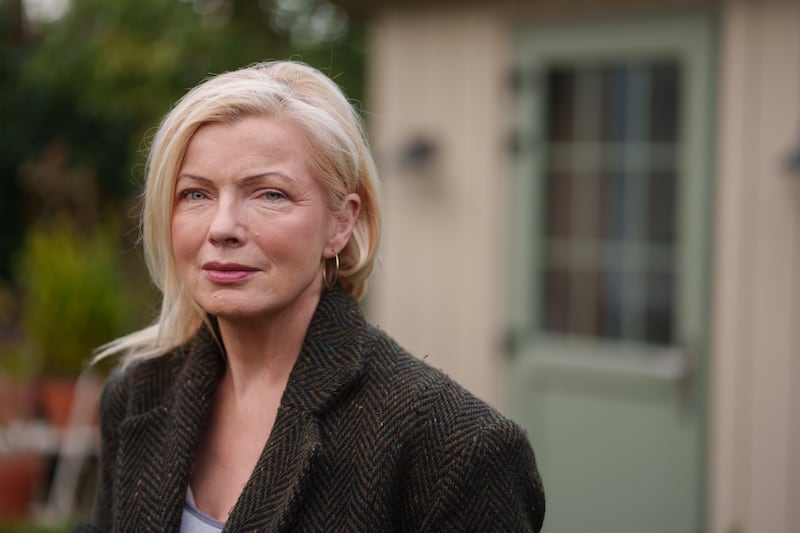 Brighid McLaughlin said the use of the word ‘compassionate’ in relation to Brian Kearney’s day release was ‘very distressing’ for her family. Photograph: Barry Cronin
“My sister [Niamh] had a complete panic attack, she had to leave work,” Brighid said.
One of the emails, seen by The Irish Times, said Kearney would be taken to “a neutral venue in Dublin” towards the end of next week.
“He will be escorted at all times by two prisoner officers and returned to custody afterwards,” the email said.
The average life term served in prison is about 19 years.
Kearney is being released under section 39 of the Prisons Act 2007 which allows for temporary release on “compassionate grounds” or “for the purpose of assessing suitability for early release, facilitating reintegration into society”.
Brighid said the use of the word “compassionate” was “very distressing” for her family.
“Siobhán’s murder was so bad. It was savage, it was torturous. It was an excruciating exit from the world. And that just violates the very basic tenants of social appropriateness and general beliefs in the sanctity of human life,” she said.
“The sanctity of human life is everything; when that’s gone, everything’s gone – to us, anyway.”
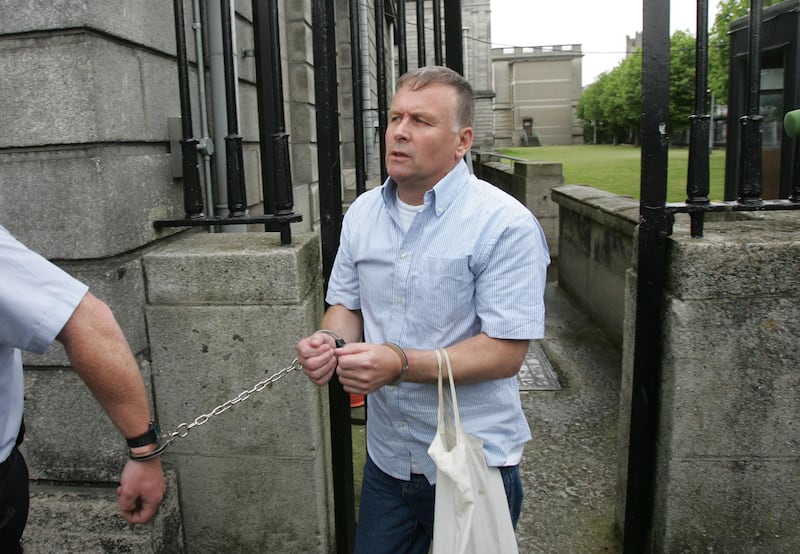 Brian Kearney leaving the Court of Criminal Appeal in July 2009. Photograph: Matt Kavanagh
A follow-up email from the IPS apologised “for any distress caused” by the initial email and acknowledged “how difficult it is for you and your family to learn that the prisoner is being granted any type of concession”.
Brighid said her family believed in rehabilitation, but Kearney has never acknowledged his crime or shown any remorse.
“You cannot rehabilitate someone who doesn’t admit to their crime.”
News of Kearney’s day release was “very upsetting” for their parents, Owen and Deirdre McLaughlin, who are aged 92 and 85 respectively, she said.
The couple found her body after she was killed. Siobhán was the fifth of eight children.
Brighid said Dan, Siobhán’s son, was doing “amazing”.
Kearney is set to have a parole hearing in April and the family said they feared that granting him day release was the first step to him being freed permanently.
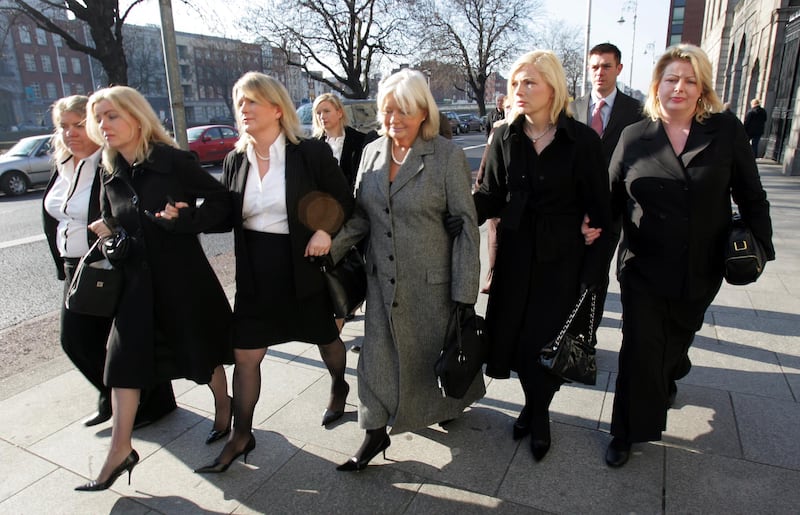 Relatives of Siobhán Kearney, including her mother Deirdre McLoughlin (centre), leaving the Central Criminal Court during Brian Kearney’s murder trial. Photograph: Eric Luke
Another of Siobhán’s sisters, Annie, said, in the two decades since Siobhán was killed, there has been “no remorse, no acknowledgment of the crime”.
The family has been through the parole hearing process before and she said they are “retraumatised” each time.
“Why are we as family members constantly recalled to plead the case to stop letting him out, to not let him out?” she said.
“We shouldn’t have to be retraumatised every single time and begging for them to keep him in,” Annie said.
“He shouldn’t be allowed out, simple as, the 18 years isn’t enough.”
Brighid said watching their parents write letters outlining their trauma and explaining why Kearney should not be released was “just so upsetting”.
Annie said she knew it was often not easy to leave a controlling relationship but advised anyone in this situation to “try and get out”.
She noted that many women, like Siobhán, have been killed after telling their partner they were leaving.
“It’s very important that people who are in this situation prepare themselves and have their exit and organise it without letting that person know,” she said.
As the family prepares for the upcoming parole hearing, Annie said she wanted Siobhán to be remembered as “the funniest person you will ever meet, razor sharp wit” with “boundless generosity”.
A spokesman said the IPS “does not comment on individual prisoner cases”. The Irish Times has contacted the Department of Justice for comment.