
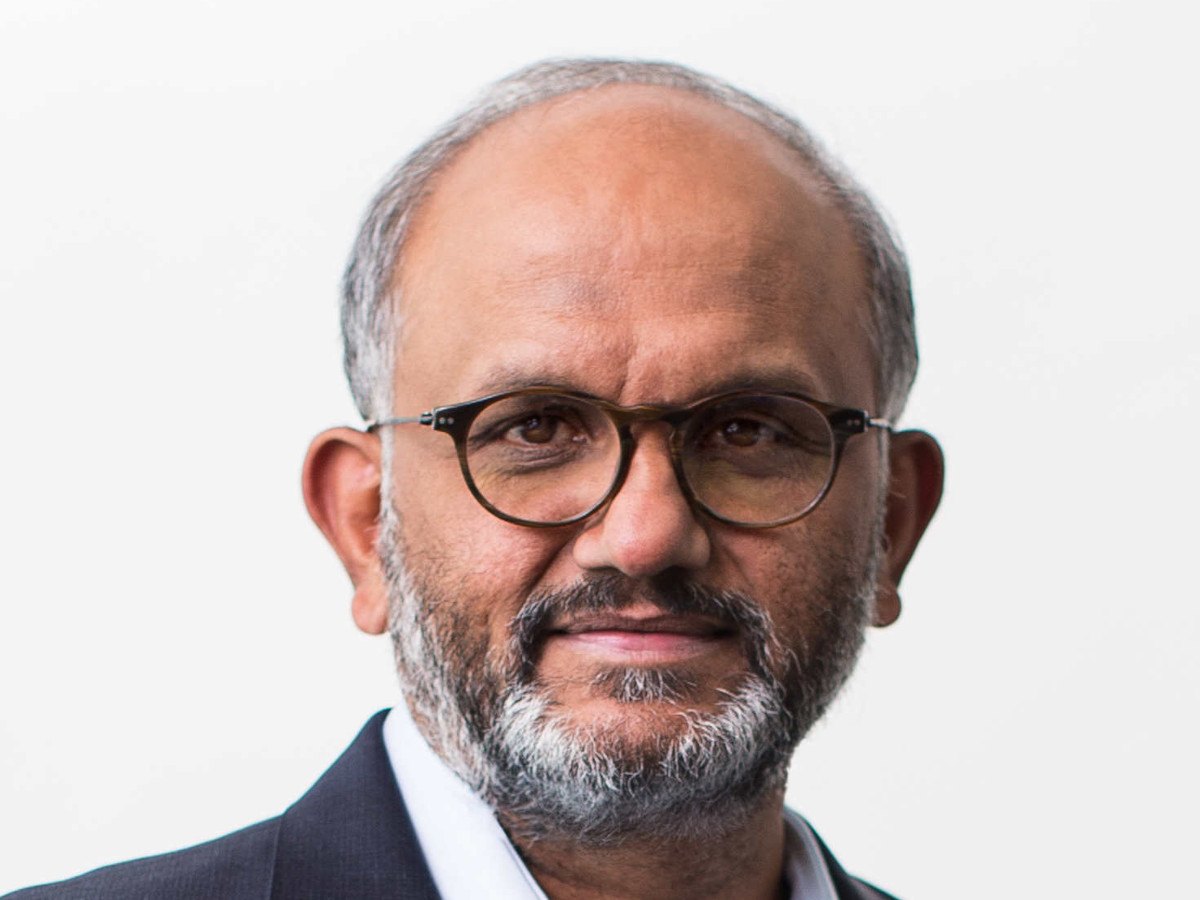
Shantanu Narayen will help choose his successor and is to remain on as chair of the company board.
The CEO of creative software giant Adobe, Shantanu Narayen, is to resign after 18 years in the role, with lead independent director Frank Calderoni tasked with running the process of finding a replacement.
Narayen will stay in position until the recruitment of his successor is completed, and is to remain on as chair of the Adobe board.
In a message to employees posted on Adobe’s website, Narayen said he and Calderoni would work together in the coming months to choose a successor “and to ensure a smooth transition”.
Narayen noted that in his 28 years with the company, it had grown from having around 3,000 employees to more than 30,000, and from revenues of less than $1bn to more than $25bn.
He said that the “AI era” presents large opportunity for the company, adding that AI, new workflows and “entirely new forms of expression” are currently shaping “the next era of creativity”.
During his time in charge, Adobe’s stock increased more than sixfold, with the S&P 500 up around 350pc across the same period, noted CNBC, which also reported that Narayen earned $51m in the 2025 fiscal year and owns $118m in Adobe shares.
Calderoni said of Narayen’s departure: “On behalf of the board, I want to recognise Shantanu’s contributions as CEO and architect of Adobe’s transformation over the past 18 years, and for positioning Adobe for success in the AI-driven era.
“As we take the next step in succession planning, we are focused on selecting the right leader for this next exciting chapter of the company’s growth and are grateful for Shantanu’s continued leadership as CEO to ensure a smooth transition.”
Outsider tributes to Narayen and his tenure came through X from Microsoft CEO Satya Nadella and Dylan Field, the CEO of Figma, which Adobe spent more than a year trying to buy before the deal was abandoned in December 2023.
Adobe, founded in 1982, is a leading provider of creative software, offering household-name applications such as InDesign, Dreamweaver, Acrobat, Photoshop and After Effects.
In recent years, it has developed a suite of generative AI tools known as Firefly – which the company says has generated more than 29bn images to date – to mitigate the general surge away from traditional software products and towards AI offerings.
Shares in many software providers have dipped this year over prevailing fears around their prospects in the age of AI technologies. This week, collaboration software provider Atlassian announced plans to cut 10pc of its workforce in order to “self-fund further investment in AI and enterprise sales”.
Bloomberg noted that Adobe’s stock has declined about 23pc in 2026, putting it near its lowest level in three years, adding that although Adobe’s financial metrics have shown little noticeable change since early last year, share prices dropping almost 40pc in that time is likely a reason for the planned CEO transition.
Yesterday, Adobe announced its Q1 2026 financial results, which included record quarterly operating cashflows of $2.96bn and a year-on-year trebling of AI-first ARR.
Don’t miss out on the knowledge you need to succeed. Sign up for the Daily Brief, Silicon Republic’s digest of need-to-know sci-tech news.