
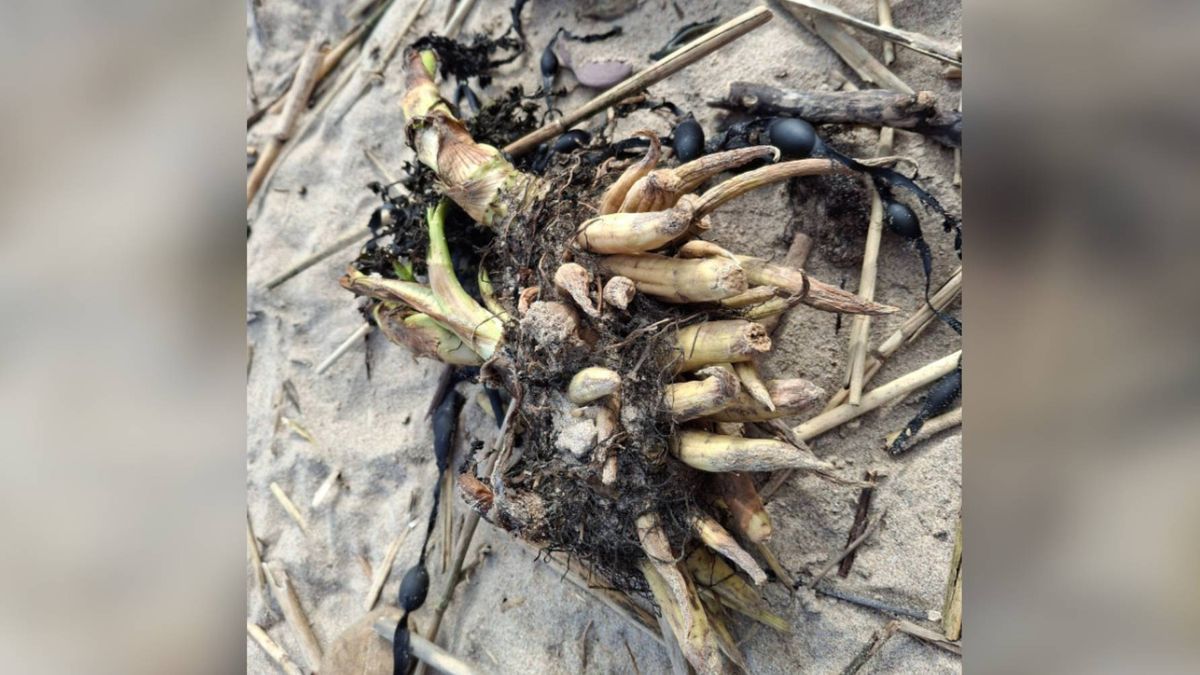
The plant is among the most hazardous in the UK and Ireland, with skin contact frequently causing irritation – and consumption occasionally proving fatal within hours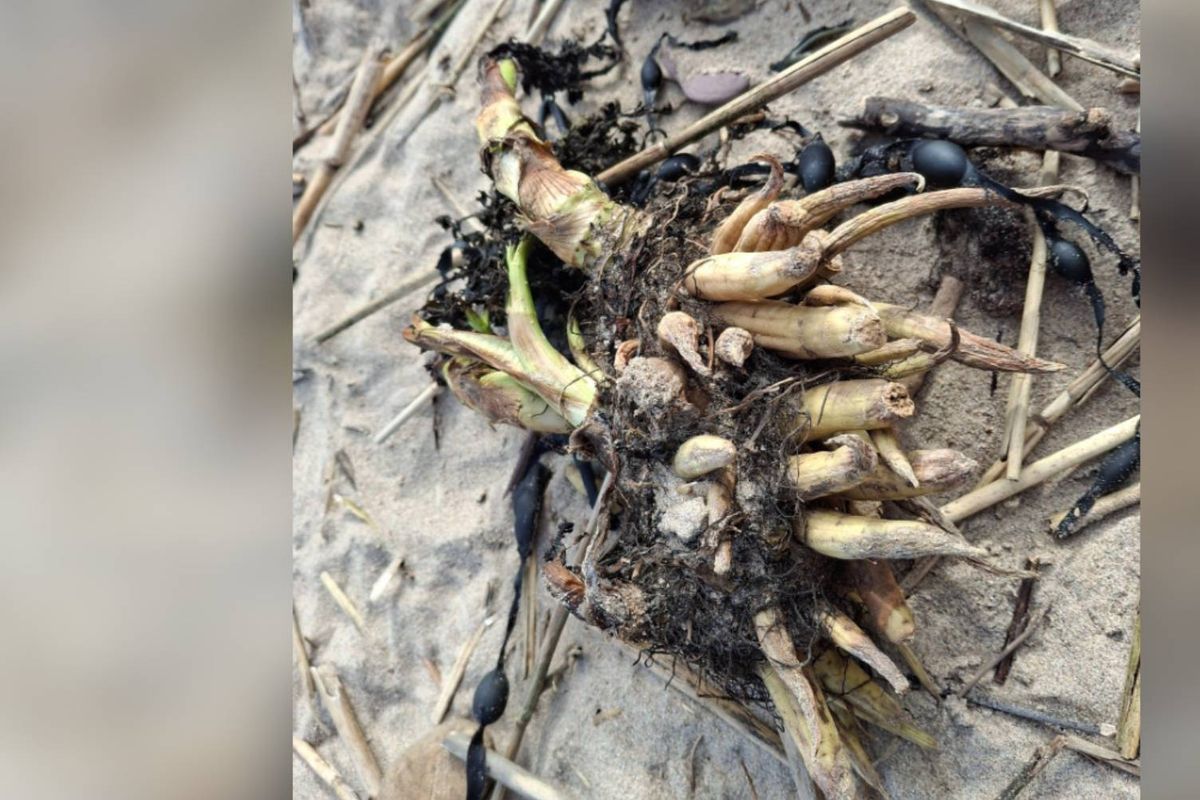
Hemlock Water Dropwort discovered on a beach in Youghal(Image: Cork County Council)
A highly toxic plant that can prove deadly for both animals and people has been spotted on a beach in Co Cork.
The Hemlock water-dropwort – also referred to as ‘dead man’s fingers’ – was discovered washed ashore on the Mall beach in Youghal, prompting Cork County Council to issue an urgent alert to those walking in the vicinity.
It’s amongst the most hazardous plants in the UK and Ireland, with skin contact frequently causing irritation – and consumption occasionally proving fatal within hours.
Ingestion among adults is rare, with just 13 cases of acute poisoning to humans recorded in Britain between 1900 and the 1970s – but tragically nine of those instances were fatal – and the heightened possibility of a dog or a toddler encountering the plant makes its presence on a busy beach during a sunny weekend extremely hazardous.
Belonging to the carrot family, the distinctive roots of Hemlock water-dropwort bear resemblance to parsnips, reports Cork Beo.
Cork County Council today stated: “Cork County Council is advising the public to avoid touching the Hemlock water-dropwort plant after it was found washed up on The Mall beach, Youghal.
“This plant is naturally occurring in Ireland but is known to be highly toxic, and its roots can resemble a parsnip. Direct contact may cause skin irritation, so we ask visitors to take care when walking along the shoreline.
“Please remain vigilant on beaches in the East Cork area, and ensure that children and pets are kept away from any unfamiliar plants that may have washed ashore.
“Anyone who believes they may have come into contact with the plant is encouraged to seek advice from a healthcare professional. Cork County Council will continue to monitor the situation and take appropriate steps as needed.”
Symptoms of ingestion include nausea, vomiting, seizures, hallucinations, involuntary muscle movements, and haemorrhaging of the brain and lungs.
In other news from East Cork, a minimum of 15 deceased swans have been collected from a lakeside beauty spot following an outbreak of bird flu.
Want to see more of the stories you love from the Irish Mirror? Making us your preferred source on Google means you’ll get more of our exclusives, top stories and must-read content straight away. To add Irish Mirror as a preferred source, simply click here.