
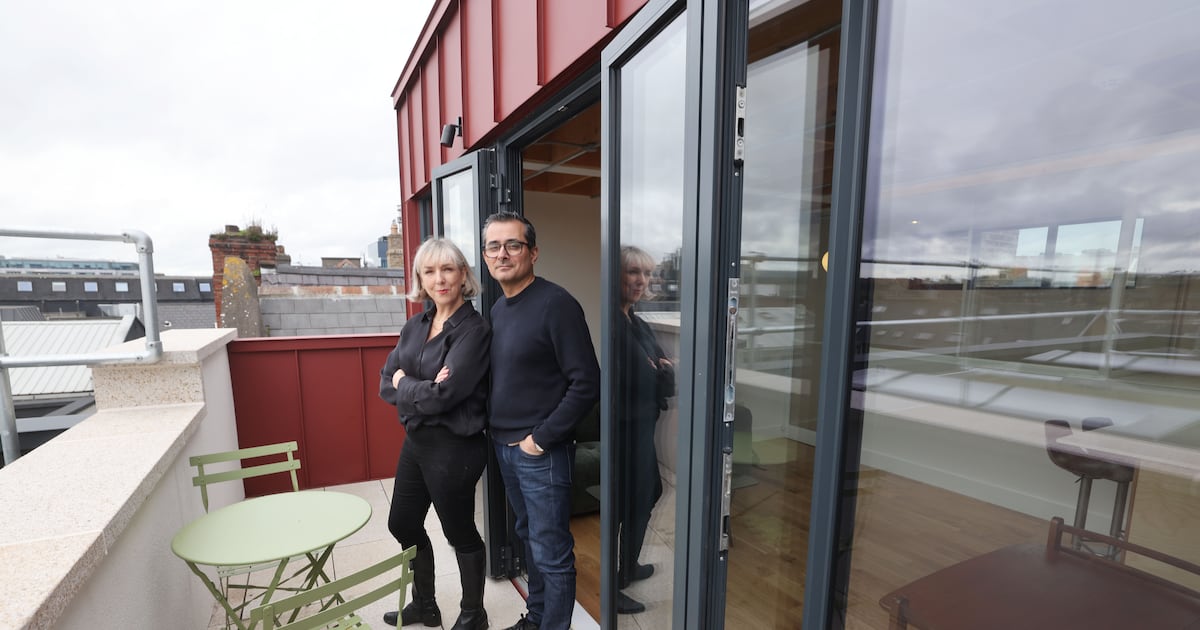
Converting spaces above shops into homes is often touted as one of the solutions to the housing crisis, but how easy is that to do in practice?
Jas Rait and his wife, Tanya Comber, took on the challenge when they converted and extended their premises on Dublin’s Camden Street to provide three apartments above and behind their shop and office. They run their cloud computing business and shop from the building, which is more than 200 years old.
But it wasn’t all plain sailing. The building is constrained on all fronts. It has no rear access, it is surrounded by three neighbouring properties, and its upstairs apartment was cold and dingy. Now the town house contains three bright, warm and energy-efficient apartments, all with outdoor spaces.
The couple first rented the premises for Right Click – their computer business shop – in 2001 and bought the building 10 years later. As the business grew, they opened Right Cloud on the premises to provide cloud services and business support. With a staff of eight, they realised they would have to reconfigure their retail and office space to provide a better working environment. They also decided to tackle the upstairs project.
Given the age of the building, they knew they would need a lot of advice before embarking on a project like this. “We had architects, quantity surveyors, fire safety consultants, engineers, steel consultants – you have to have those people on board if you want to do a project like this,” Tanya says. Their architect, Ken Meehan, had worked on many conservation projects, which gave them peace of mind, and their builder, Conor Grealis, remained calm in the face of a challenging build on a busy thoroughfare with no side or back entrance to bring equipment through.
Construction work began in October 2024 and involved adding a four-storey extension to the rear and a new floor to the main building. The three apartments, which became available for renting in February, can now accommodate 14 people.
When they began the work, the building was in dire need of revamping. The apartment over the shop had four bedrooms, “but really it was three bedrooms with a tiny little room that would only fit a small bed, and it was falling apart”, Tanya recalls. “Every time there was a storm, we would go up to see if the light was coming through the roof. There was nothing under the old slate tiles.” If the tenants used the washing machine, the ground-floor ceiling would leak. And there was no need to guess what was for dinner upstairs, because the food smells wafted downwards into the shop and office.
The lack of insulation meant it was also very cold. “We used to have a heating system that would go on at 5am and barely get the office warmed by 9am,” says Jas. He doesn’t know what the Ber was, but imagines it was too low to even register on the scale. “And now we’ve fully insulated the building and gone to B1.”
The original apartment has been transformed into a spacious 3,000sq ft three-bedroom apartment. A two-bedroom penthouse apartment with views across the city and another two-bedroom duplex apartment round off this development.
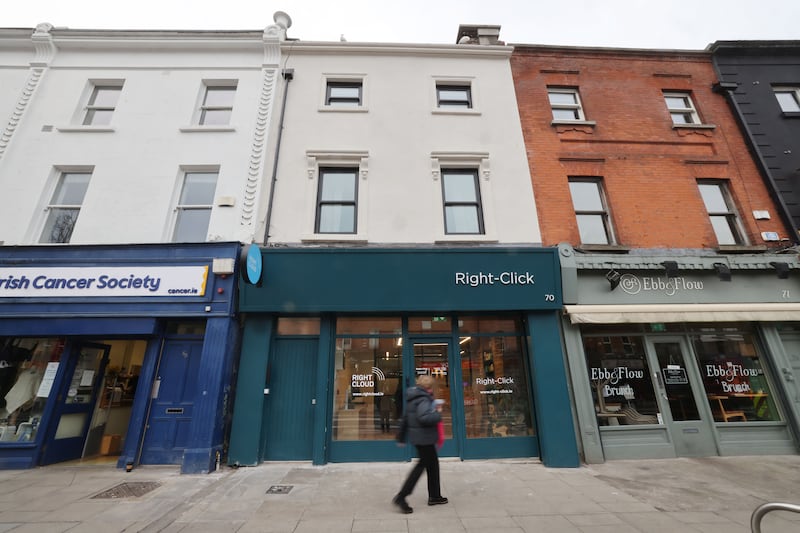 Living over the shop on Camden Street: The apartments developed by Tanya Comber and Jas Rait. Photograph: Alan Betson
 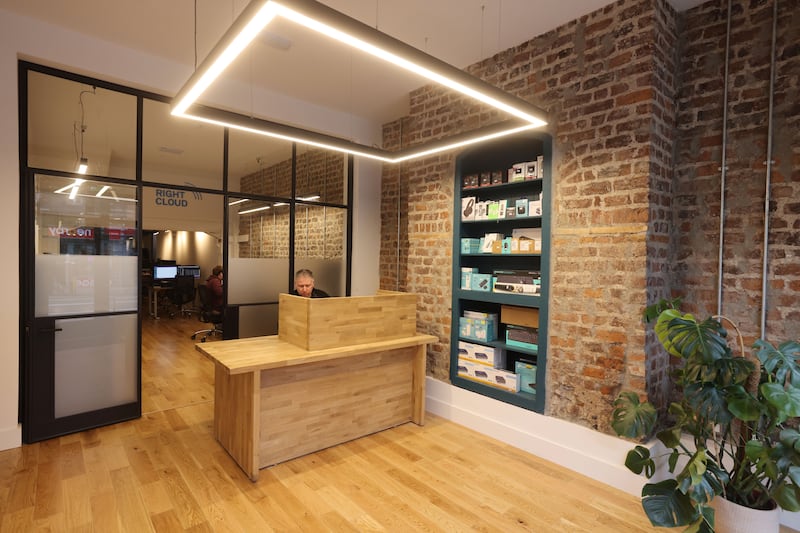 The workspace beneath the recently renovated apartments. Photograph: Alan Betson
 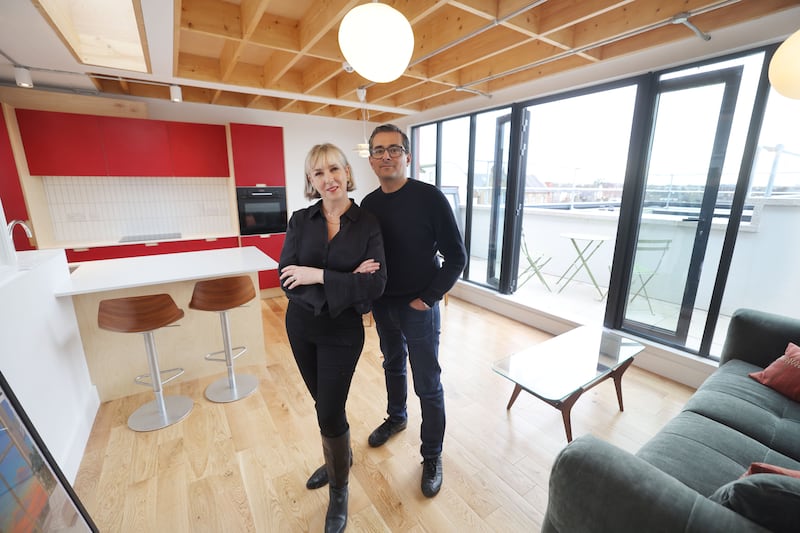 The kitchen-dining area of one of the apartments renovated by Tanya Comber and Jas Rait. Photograph: Alan Betson
 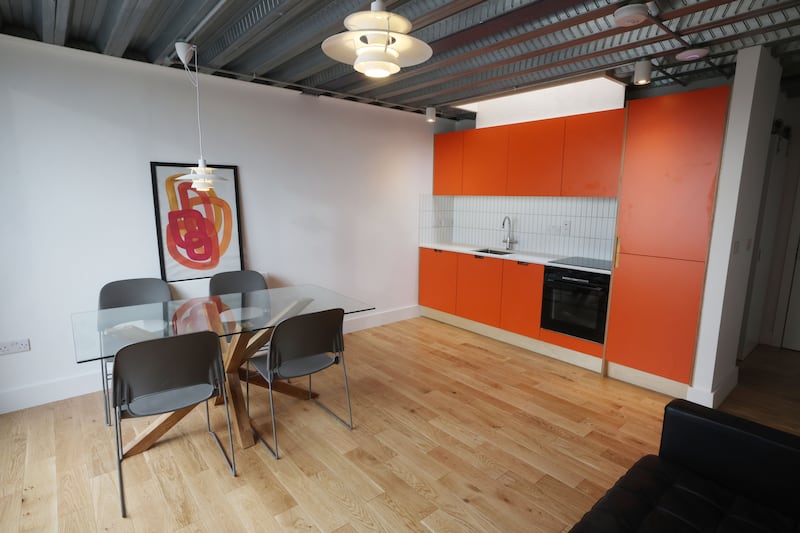 Living over the shop on Camden Street: The apartments developed by Tanya Comber and Jas Rait. Photograph: Alan Betson
Despite the hustle and bustle of the street below, the noise does not carry to the apartments upstairs. “It’s actually really peaceful here, completely Zen,” Tanya says. “When we designed these apartments, we agreed that we wouldn’t want to build anything that we wouldn’t be prepared to live in ourselves. We wanted outdoor space and decent rooms. In the long run, I think it’s damaging for people if they don’t have access to outside.” All the apartments have balconies, but the penthouse has the largest outdoor space.
Garrett Dillon Kitchens in Dungarvan provided the eye-catching kitchens, delivering on his clients’ request to avoid bland cream kitchen units. “We just said, let’s go a bit funky. This is Camden Street after all,” she says.
The tiles came from XO Tile around the corner and the floors were provided by Brooks, the builders’ suppliers in Bluebell. “A lot of residential people are afraid to go to the builders’ merchants, and actually, you get really, really good value,” she says.
They had considered a heat pump but decided against it because of the space the equipment would take up, and they reasoned that the apartments would require very little heat because of the generous insulation.
After 25 years on Camden Street, they are fiercely loyal to the area and would like to see better incentives to encourage shop owners to convert their vacant space to provide homes. They availed of the government’s Living City initiative, which provides tax breaks for buildings in a special regeneration area to provide housing. But they say it’s not for someone who is looking to make a quick profit. Under the initiative, they received a €200,000 tax break – the maximum amount of tax relief available at the time – but they say that went nowhere near the cost of the project. The maximum allowable was increased to €300,000 in October’s budget.
The Vacant Property Refurbishment Grant has also been made more attractive to people wishing to bring vacant above-the-shop space into use as homes. That scheme offers grants of up to €140,000 to convert the space, depending on the number of units being created, but any grant received must be deducted from the qualifying expenditure for tax relief in the Living City initiative.
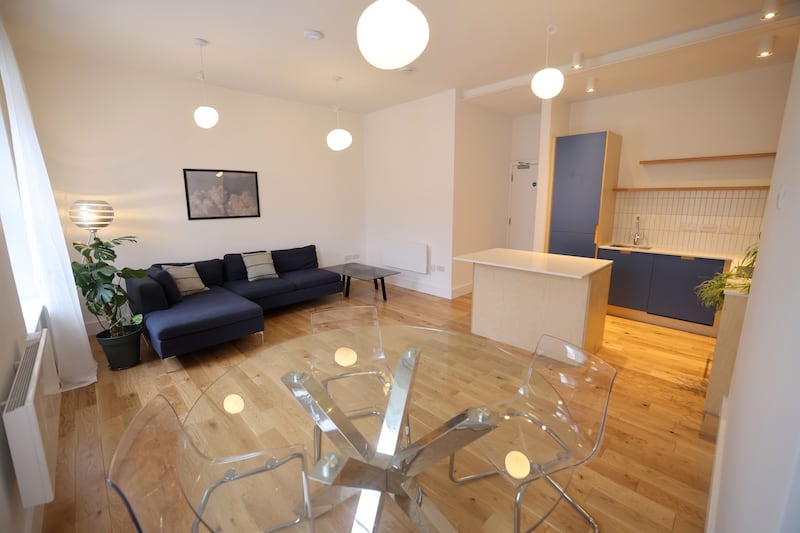 Living over the shop on Camden Street: The apartments developed by Tanya Comber and Jas Rait. Photograph: Alan Betson
 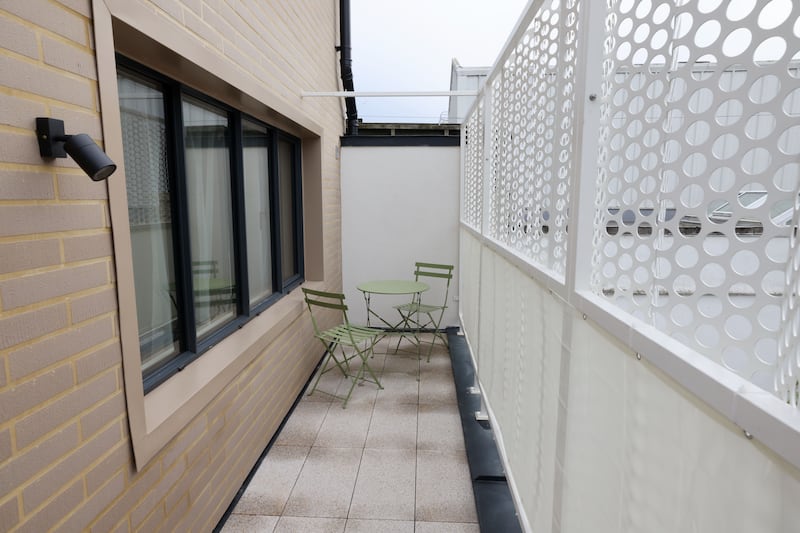 Living over the shop on Camden Street: The apartments developed by Tanya Comber and Jas Rait. Photograph: Alan Betson
 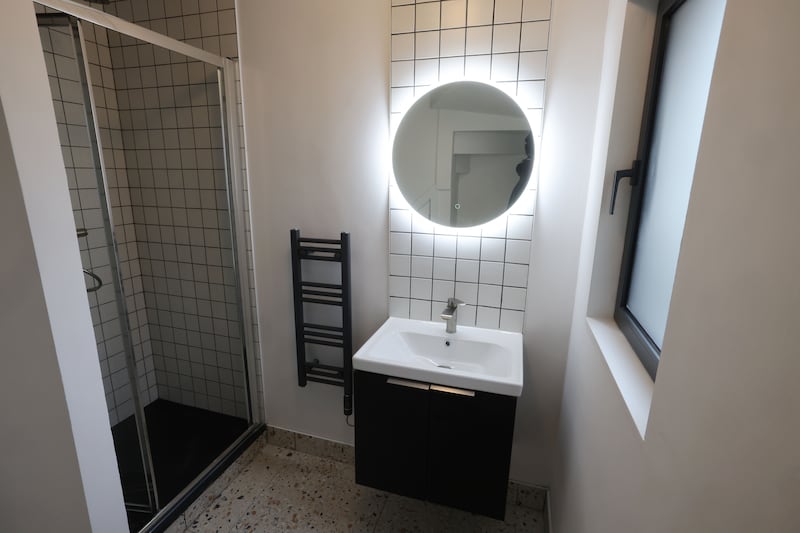 Living over the shop on Camden Street: The apartments developed by Tanya Comber and Jas Rait. Photograph: Alan Betson
Jas says the escalating price of materials and cost of labour means that their project would not be economically viable if they were starting the work today. “We’ve been here for so long that for us to stay here and invest for the next few decades is fine. But if you’re an investor and you’ve got 8 per cent [interest] on commercial finance, and you’re looking to do this to flip it, then it doesn’t make sense.”
They believe their project shows how high-quality, energy-efficient urban housing can be successfully delivered, but say small landlords need more encouragement to take the plunge. “Unfortunately, the sums don’t add up,” he says. “There are a lot of people sitting on would-be brilliant projects because it doesn’t make financial sense.”
But they are happy that they have secured the future of the building and helped ease the demand for rental properties in a very small way. “We are here for good and we are not going anywhere,” she says. “There is still a great sense of community here on the street and we know so many people. We love this place.”
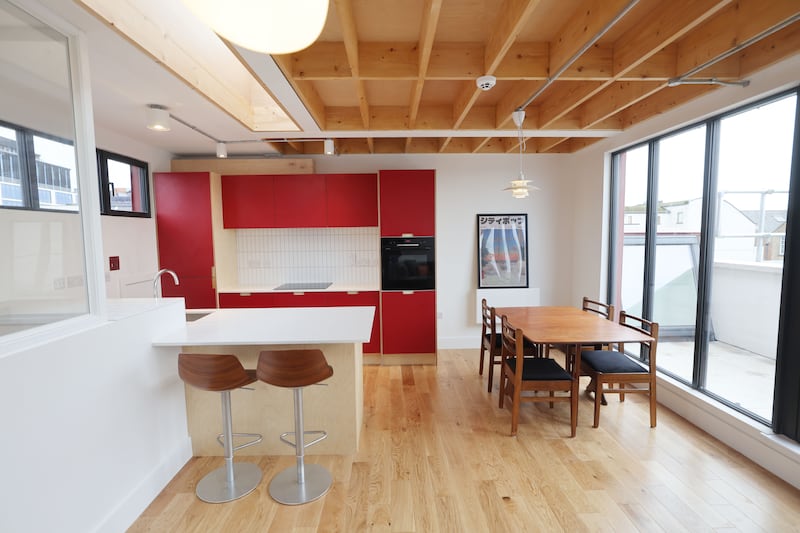 Living over the shop on Camden Street: The apartments developed by Tanya Comber and Jas Rait. Photograph: Alan Betson
 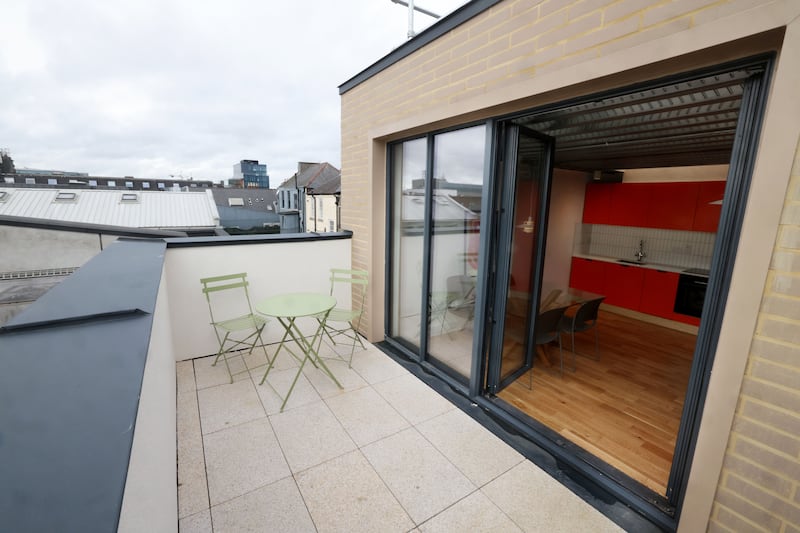 Living over the shop on Camden Street: The apartments developed by Tanya Comber and Jas Rait. Photograph: Alan Betson
 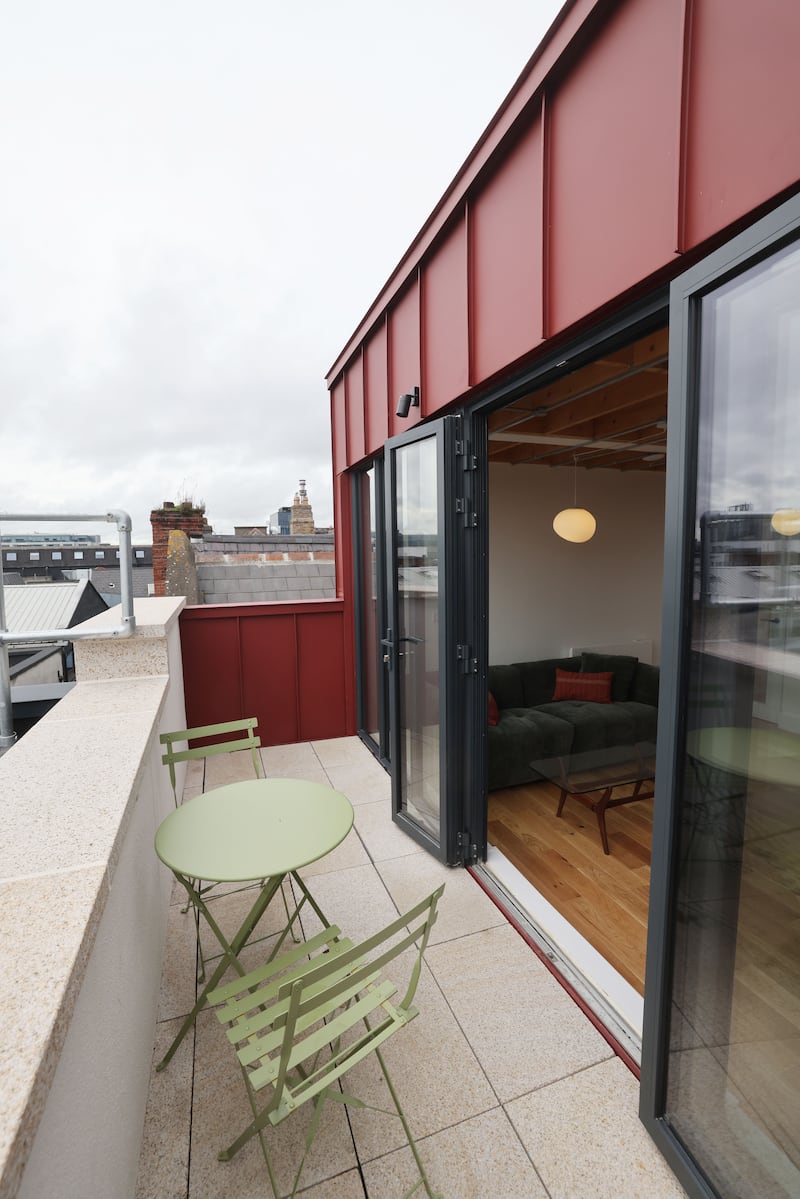 Living over the shop on Camden Street: The apartments developed by Tanya Comber and Jas Rait. Photograph: Alan Betson