
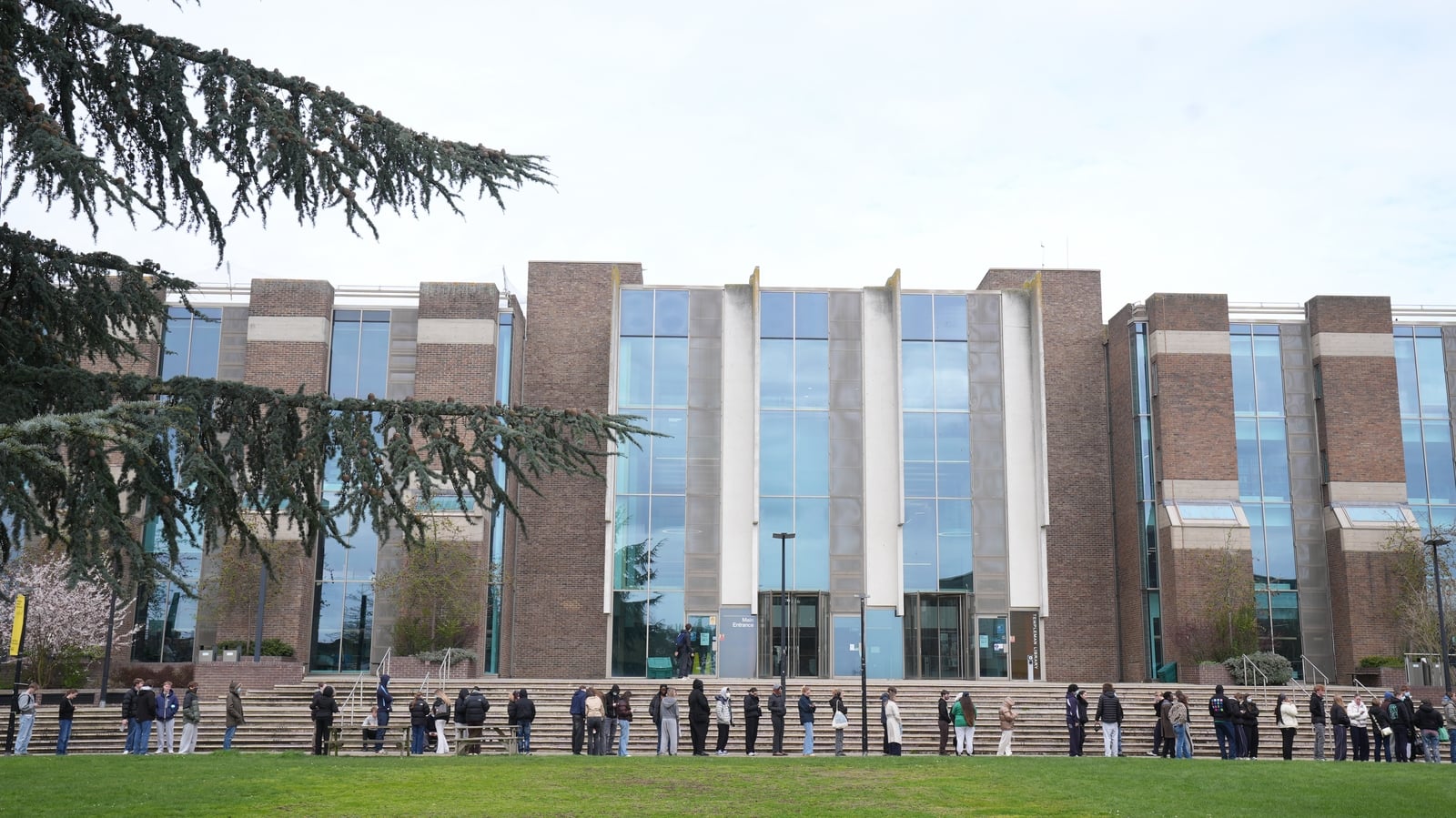
Two young people have died following an outbreak of meningitis in the UK.
The UK Health Security Agency (UKHSA) said it had been notified of 13 cases with signs and symptoms of meningitis from Friday to yesterday in the Canterbury area of Kent.
Some students at the University of Kent have been given antibiotics. The specific strain of meningitis has not yet been identified.
The UKHSA said that specialists are interviewing affected individuals and their families to “help identify all close contacts and arrange antibiotics to limit spread”.
Meningococcal bacteria can cause serious illness, including inflammation of the lining of the brain and blood poisoning, which can rapidly lead to sepsis.
Anyone can get meningitis but it is most common in babies, children, teenagers and young adults and it can spread very quickly in places such as universities and colleges.
A University of Kent spokesperson said: “We are deeply saddened to confirm that one student from the University of Kent has died following a case of invasive meningitis.
“Our thoughts are with the student’s family, friends and the wider university community at this extremely difficult time.”
A school pupil was the second person confirmed to have died.
The student attended Queen Elizabeth’s Grammar School in Faversham and is understood to have died on Saturday.
Trish Mannes, A UKHSA regional deputy director, said: “Meningococcal disease can progress rapidly, so it’s essential that students and staff are alert to the signs and symptoms of meningococcal meningitis and septicaemia, which can include a fever, headache, rapid breathing, drowsiness, shivering, vomiting and cold hands and feet.
“Septicaemia can also cause a characteristic rash that does not fade when pressed against a glass.
“Students are particularly at risk of missing the early warning signs of meningitis because they can be easily confused with other illnesses such as a bad cold, flu or even a hangover.”
The HSE says people should think about meningitis and septicaemia if any of these symptoms are present:
a high temperature of 38 degrees Celsius or above
a rash or spots – this may be harder to see on brown or black skin
feeling and being sick
headache
a stiff neck
aches or pains – for example, stomach, joint or muscle pain
breathing fast
bothered by bright light
cold hands and feet or pale, mottled skin – this may be harder to see on brown or black skin
fits (seizures)
Other symptoms include:
confusion
drowsiness
hard to wake them up
irritability and a lack of energy
Babies may also:
refuse feeds
not take their usual feed
be agitated
not want to be picked up
have a bulging soft spot on their head (fontanelle)
have an unusual high-pitched cry
have a stiff body
be floppy or unresponsive