
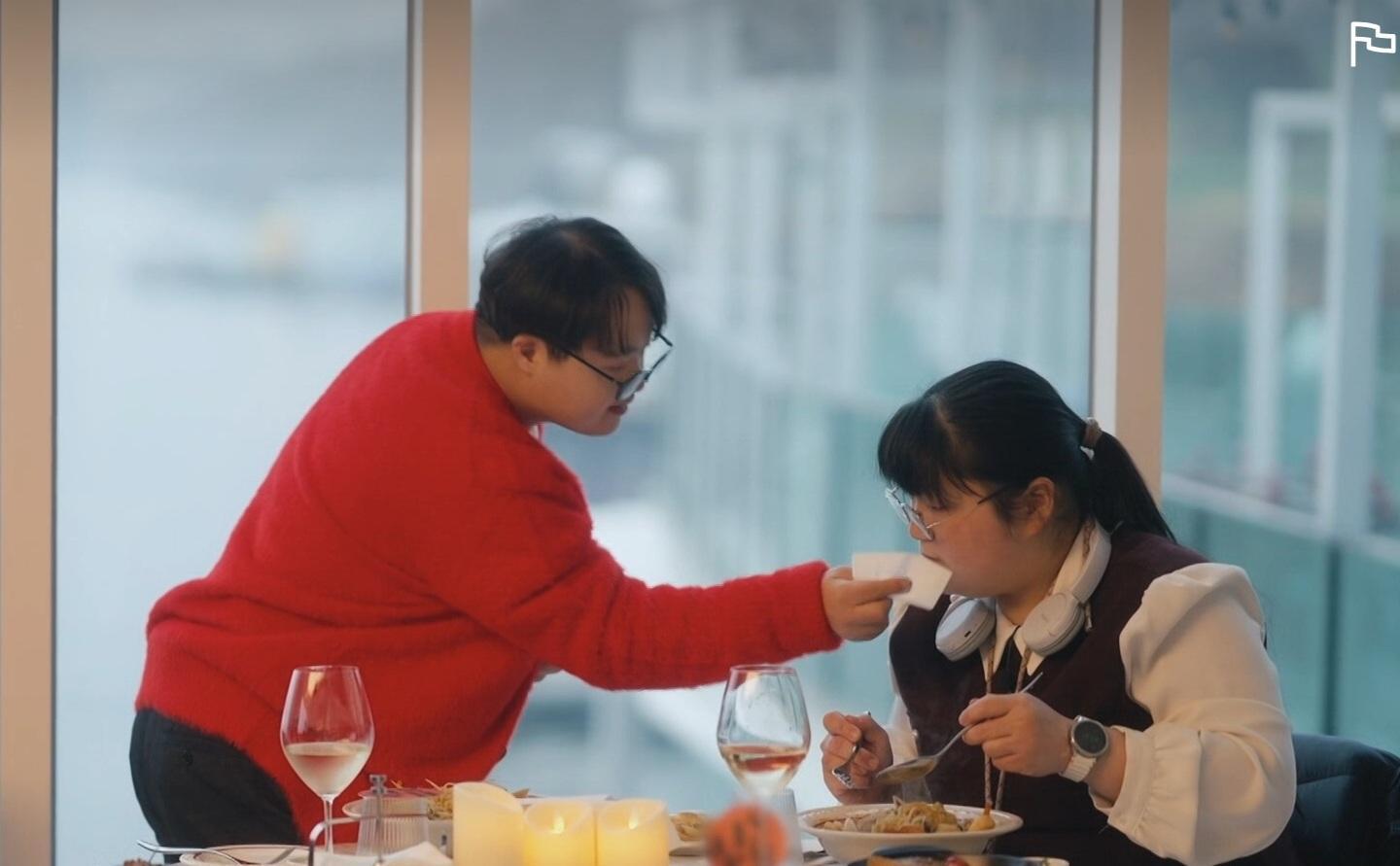
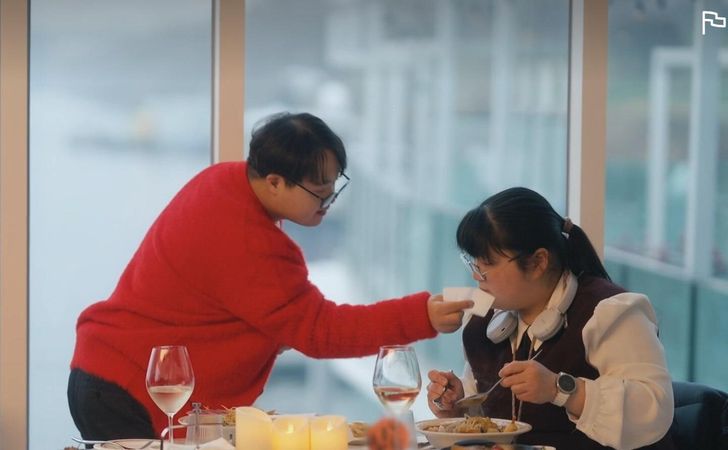
A scene from SBS reality show “Mongle, Mongle? Mongle!” / Courtesy of SBS
Korean television is quietly shifting from shock to solace, with more programs trading relentless stimulation for what viewers call “good dopamine” — not the adrenaline rush of drama, but the gentle satisfaction of genuine human care.
At the forefront of this trend is SBS “Mongle, Mongle? Mongle!,” a dating reality show that premiered March 8 and follows young adults with developmental disabilities or who are neurodivergent as they attempt something both ordinary and radical: romance.
Guided by real-life couple Lee Hyo-ri and her husband Lee Sang-soon, the show treats dating not as spectacle but as a basic right often denied to people who are often not seen as adults with desires and boundaries.
Casting alone tells us how hungry people were for this premise: producers reportedly met with more than 500 applicants before selecting three participants whose lives and personalities anchor the three-part series.
For Ji-hyun, an artistically gifted woman who dreams big despite her intellectual disability, Ji-hoon, an autistic barista, and Ji-won, an actor with Down syndrome, even getting to the date is an act of courage. They rehearse routes with family, walk paths several times in advance, worry about what food will be easiest to manage on a first date and discuss what behaviors might make the other person uncomfortable.
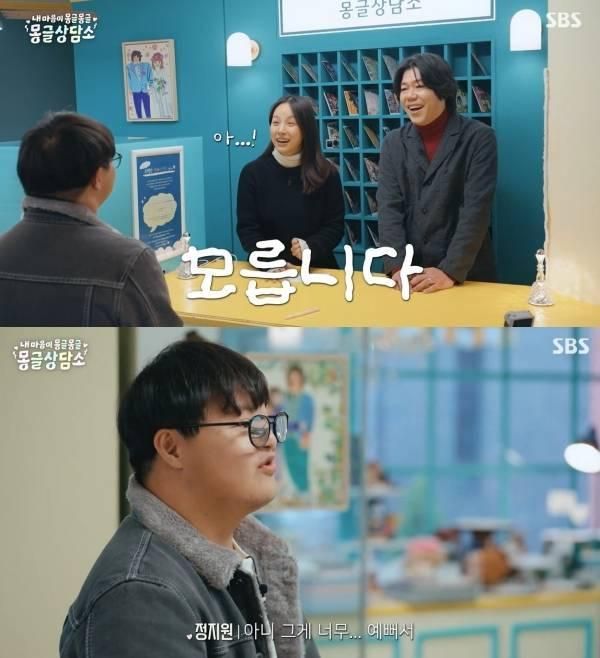
A scene from SBS reality show “Mongle, Mongle? Mongle!” / Courtesy of SBS
The program doesn’t simply help them with romance — it insists that they deserve to love and be loved while receiving support and respect.
Viewers have responded with gratitude. One viewer wrote, “I just wanted to tell the parents on the show how incredibly well they’ve raised their children. You can really see they grew up surrounded by so much love. This show really made me think and feel a lot.” Another international fan welcomed a Korean counterpart to the series “Love on the Spectrum,” a popular Netflix reality series that follows young adults with autism.
In a similarly heartwarming vein, tvN’s “The Village Barber” imagines hair as a language of care. Actor Park Bo-gum, who spent a year earning a barber’s license, opens a pop-up barbershop in a remote village with his close friends. His target clients are elderly residents who find themselves at the center of the narrative.
In one touching scene, a grandmother opens up about her 93-year-old mother-in-law’s dementia, and the cast just listens quietly and offers real comfort. When an elderly woman agrees to dye her white hair black at her daughter’s request, the team also takes her photo — a candid shot her daughter wants to keep as a possible memorial portrait someday.
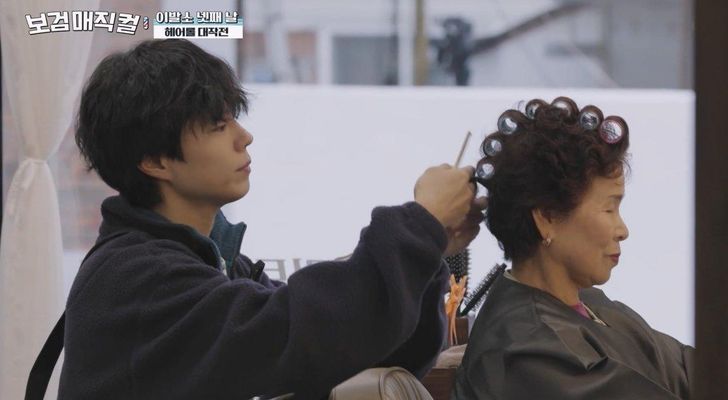
Park Bo-gum, left, is seen styling hair in the tvN’s reality show “The Village Barber.” Courtesy of CJ ENM
In tvN’s “Curtain Up, Class!,” actor Kim Tae-ri takes on her first reality TV role as an after-school drama teacher at a rural elementary school. Before her first class, she admits through tears that the sight of the children suddenly terrified her, that she felt unprepared and afraid of failing them. The show follows her as she gradually finds her footing, co-creating a theater program for her students.
The trend is likely to continue with tvN’s upcoming show, tentatively titled “Ensemble,” where musical director Kim Moon-jeong leads a multicultural kids’ choir through an intense 100-day challenge.
Cultural critic Jung Duk-hyun said the power of these heartfelt shows comes from their raw sincerity.
“Actors showing up on variety shows these days is old news, but these programs stand out by giving stars clear roles — not just peeking into daily life, but real missions to help people. That process hits viewers with genuine warmth,” he said.
“It’s not some showy setup for the cameras. The real power comes from that genuine sincerity you see, like Park Bo-gum working toward his barber license or Kim Tae-ri wrestling with her doubts. In the end, in an era where authenticity makes or breaks no matter the genre, this trend shows there’s even more potential for ‘good-hearted’ shows,” he added.