
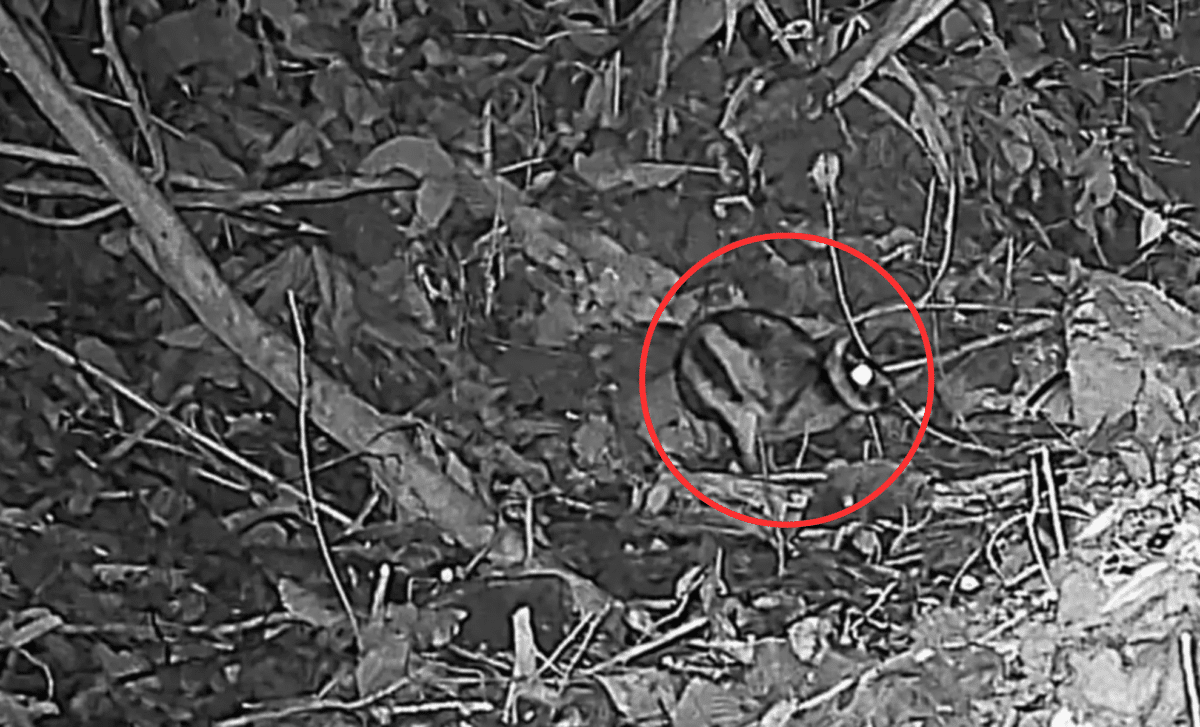
A remarkable wildlife discovery has emerged from the dense Annamite Mountains in Southeast Asia, where a team of conservationists unearthed shocking evidence of one of the world’s rarest rabbits. Captured on trail cameras, the Annamite striped rabbit, once nearly mythical to scientists, is among the fascinating finds from an extensive conservation effort. This discovery, led by the nonprofit Fauna & Flora, not only sheds light on the region’s fragile biodiversity but also underscores the urgent need for continued preservation efforts in this biodiversity hotspot.
The Unveiling of a Rarest Rabbit
The Annamite striped rabbit, often described as one of the rarest rabbits on Earth, has long been elusive to researchers. Prior to the mid-90s, this species was virtually unknown, shrouded in mystery due to its nocturnal habits and the remote habitats it inhabits. But thanks to a bold conservation initiative, the rabbit has been caught on camera in the Annamite Mountains, offering a rare glimpse into its world.
Fauna & Flora’s groundbreaking project involved setting up numerous trail cameras in this vast mountain range, a critical move to document wildlife in one of the planet’s most biodiverse yet endangered regions. The discovery is significant not just for the rabbit itself, but for the entire spectrum of species it represents. This area, sometimes referred to as the “Amazon of Asia,” is teeming with rare and endangered wildlife, and these new images confirm that its value as a conservation site is immeasurable.
In fact, Gareth Goldthorpe, senior technical advisor for Fauna & Flora in the Asia-Pacific region, told the Dodo,
“The images [from the cameras] confirmed for us the biodiverse richness of these sites. They confirmed the presence of some quite interesting species.”
This momentous revelation not only draws attention to the Annamite striped rabbit but also affirms the importance of conserving such vital ecosystems before they vanish entirely.
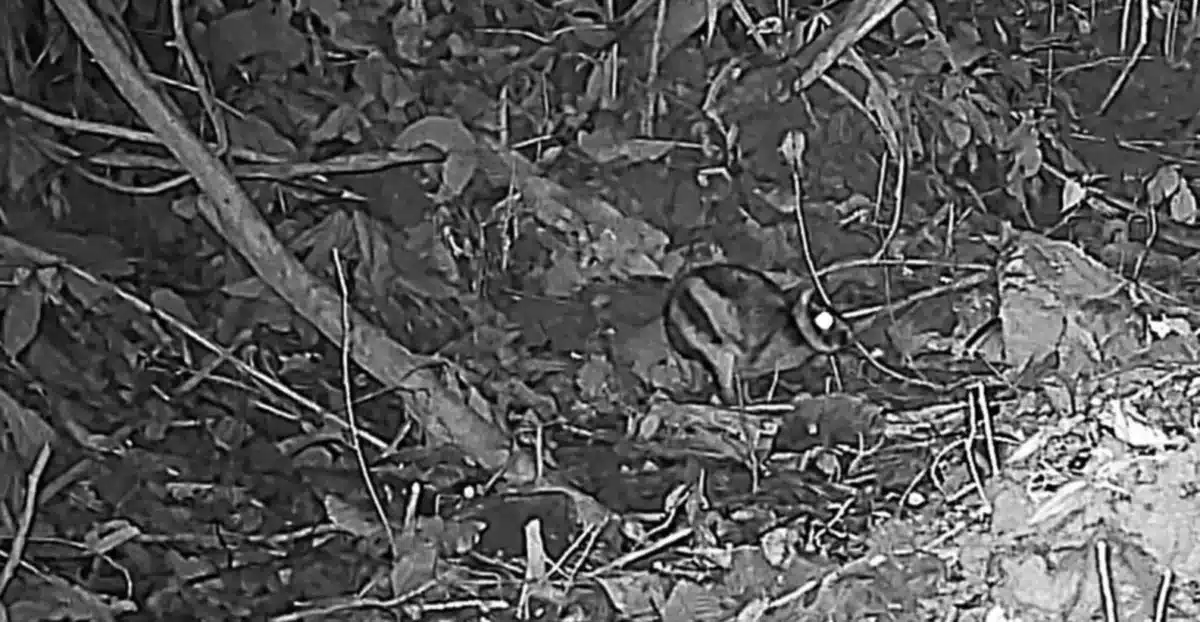 Image credit: Fauna & Flora
The Struggles of Preservation in Dense Human Habitats
Despite the excitement surrounding these discoveries, conservationists face numerous challenges in the Annamite Mountains. The rugged, forested terrain is home to many rare species, but it’s also a region with dense human settlements that place increasing pressure on wildlife populations.
“Pretty much all of these protected areas have communities living around them,” Goldthorpe explained, acknowledging the tension between human habitation and wildlife protection. “Some even within them … Where there’s a lot of people, there’s not a lot of other species.”
This delicate balance of cohabitation presents a major obstacle to preserving the rare animals that inhabit the region.
Furthermore, human activities like poaching and deforestation are constantly eroding the habitats of these species. As the demand for exotic wildlife products continues to fuel illegal trade, creatures like the Annamite striped rabbit are pushed to the brink. With their population numbers dwindling, conservationists emphasize that working with local communities to reduce harmful environmental impacts is essential.
“We also need to be working with the communities,” Goldthorpe said. “We need to be supporting their livelihoods to try and reduce any future impacts they may have on these more densely occupied species.”
Encouraging sustainable practices and educating local populations about the importance of these rare animals is key to long-term conservation success.
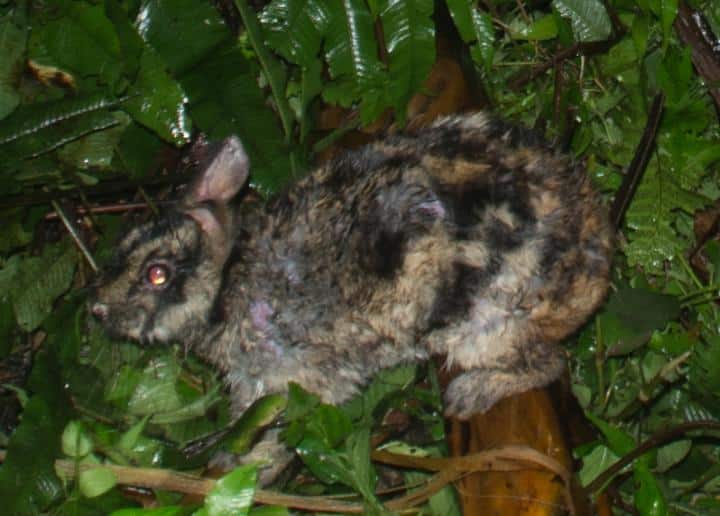 Credit: University of East Anglia
The Phantom of the Forest and Other Rare Species
In addition to the Annamite striped rabbit, the trail cameras captured images of other elusive and endangered creatures, including the serow, referred to as the “phantom of the forest” due to its rare sightings. With its antelope-like body and goat-like head, the serow is a creature of mystery, existing in very small populations. “We only found it, I believe, in one site,” Goldthorpe remarked about the serow’s elusive presence. Its rarity makes each confirmed sighting incredibly valuable for scientists studying the species and its survival prospects.
Also documented were sightings of other endangered species such as Asian elephants, Sunda pangolins, and stump-tailed macaques. These animals’ presence in the area is a testament to the richness of the region’s ecosystem, but it’s also a stark reminder of how fragile these species are in the face of mounting threats from both humans and climate change.