
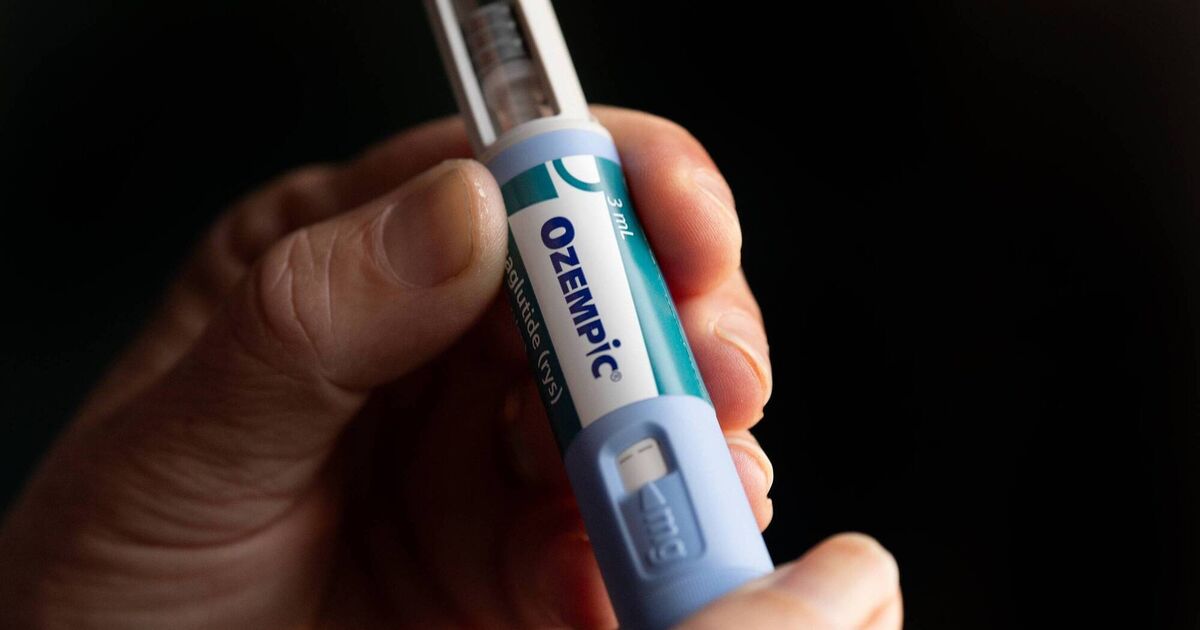
Drugs such as Ozempic and Wegovy may be able to help alleviate symptoms of anxiety and depression, a new study suggests.
Weight-loss jab Wegovy and type 2 diabetes medication Ozempic both have the same active ingredient, semaglutide — a drug known as a GLP-1 receptor agonists.
An international team of researchers wanted to assess whether taking these drugs was linked to an impact on mental health issues.
Using data from health registries in Sweden, they examined information on people with a diagnosis of anxiety or depression who were also taking anti-diabetic medication between 2009 and 2022.
They examined data from among more than 95,000 patients, including 22,480 people who used GLP-1s.
Writing in The Lancet Psychiatry, the authors said GLP-1 receptor agonists semaglutide and liraglutide, sold under the brand name Saxenda, were associated with lower risk of worsening mental illness compared to non-use of this type of drug.
Semaglutide was specifically associated with a 44% decreased risk of worsening depression and a 38% decreased risk of worsening anxiety.
It was also linked to a lower risk of substance abuse.
Liraglutide was also linked to a lower risk of worsening depression.
“For anxiety and depression that co-occur with diabetes and obesity, semaglutide and, to a lesser extent, liraglutide might be useful dually effective therapeutic options,” wrote the authors from University of Eastern Finland, Karolinska Institutet in Stockholm and Griffith University in Australia.
Research director Markku Lahteenvuo, from the University of Eastern Finland, said: “Because this is a registry-based study, we cannot determine exactly why or how these medications affect mood symptoms, but the association was quite strong.
“It is possible that, in addition to factors such as reduced alcohol consumption, weight loss-related improvements in body image, or relief associated with better glycaemic control in diabetes, there may also be direct neurobiological mechanisms involved — for example, through changes in the functioning of the brain’s reward system.”
It comes as a separate study examined accidental pregnancies among people taking GLP-1 receptor agonists during early pregnancy.
Researchers from Denmark wanted to assess whether taking the drugs for diabetes or to reduce weight was linked to the risk of pre-term birth — when a baby is born early, before the 37th week of pregnancy.
Pre-term birth can pose risks to a baby.
Academics looked at Danish health registries for 480,231 women, with a combined 756,636 pregnancies.
Some 529 had accidentally taken GLP-1s liraglutide or semaglutide in early pregnancy.
They found that exposure to GLP-1 receptor agonists was with increased pre-term birth risk when used for diabetes treatment, but not among those taking the treatment for weight management.
Researchers said this suggested that “the underlying diabetes rather than the medication may be the causal factor”.