
19 March 2026
Bacteria are part of everyday life. Many are harmless and some are essential. However, others can cause serious disease in both animals and people. One of the biggest challenges facing animal and human health today is antimicrobial resistance.
Antimicrobial resistance happens when bacteria adapt and become less responsive to antibiotics. This makes infections harder to treat. It also increases the risk of disease spreading and treatments failing. Protecting the effectiveness of antibiotics is now a global priority.
In RTÉ’s ‘10 Things to Know About… Bacteria’, experts explain how infection prevention and control and behavioural science research are helping to reduce antibiotic use on farms while protecting animal health.
Managing infection in livestock
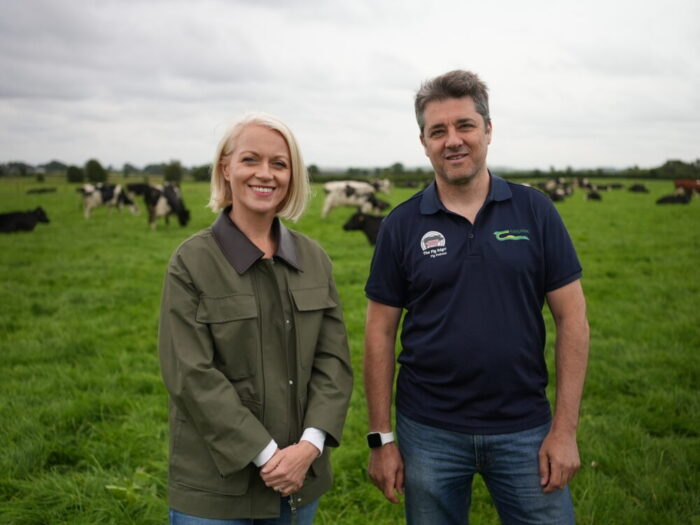
Dr Edgar Garcia Manzanilla is a Veterinarian and Principal Research Officer with Teagasc. His work focuses on infection prevention and control and disease management in cattle, pigs and poultry.
Healthy animals require fewer antibiotics. Good husbandry, biosecurity, proper nutrition and vaccination all play a role in preventing disease before it starts. Prevention reduces the need for treatment and lowers the risk of resistance developing.
Dr Manzanilla highlights the importance of responsible antibiotic use. When antibiotics are needed, they must be used correctly and only when necessary. This protects animal welfare while also safeguarding public health.
Reducing antimicrobial use does not mean compromising on care. It means using better management practices and making informed decisions based on evidence.
Understanding behaviour on farms
Reducing antibiotic use is not only about science. It is also about people.
Alison Burrell is a Chartered Health Psychologist with Animal Health Ireland who works closely with Teagasc. She looks at antimicrobial use through a social and behavioural science lens.
Her work explores how habits, beliefs and everyday pressures influence decision making on farms. By understanding behaviour, we can better support change. Open and honest conversations between veterinarians and farmers are central to this approach, and adapting healthcare communication training for a veterinary setting has helped support these conversations.
When farmers feel supported and informed, they are more confident in adopting new practices. Collaboration builds trust and helps ensure antibiotics are used responsibly.
Protecting animal and public health
Antimicrobial resistance affects everyone. The steps taken on farms today will influence the effectiveness of treatments in the future.
Through research, advisory support and behavioural insight, Teagasc and its partners are working to reduce antibiotic use while maintaining high standards of animal health and welfare.
By combining science with practical action, the sector can protect both livestock and the wider community for years to come.
More information on the ‘10 Things to Know About… Ep6 – Bacteria’ series is available on RTE Player.
The above was prepared by David Vieira, Marketing Intern with the Teagasc Research Development Department.
Related reading:
Building resilient forests for a changing climate
Advanced technology helps Irish agriculture detect and manage invasive species
Photo caption: Presenter Kathriona Devereux and Edgar Garcia Manzanilla, Teagasc.