
The headline vulnerabilities in financial markets are well known, centred on a US stock market which has been driven higher based on the performance of a small number of AI-driven stocks and the uncertainties now about the impact of this technology and who the winners and losers will be.
Add to that the risks to growth and inflation from the conflict in the Gulf and you get a cocktail of uncertainty about how 2026 will pan out for investors and funds.
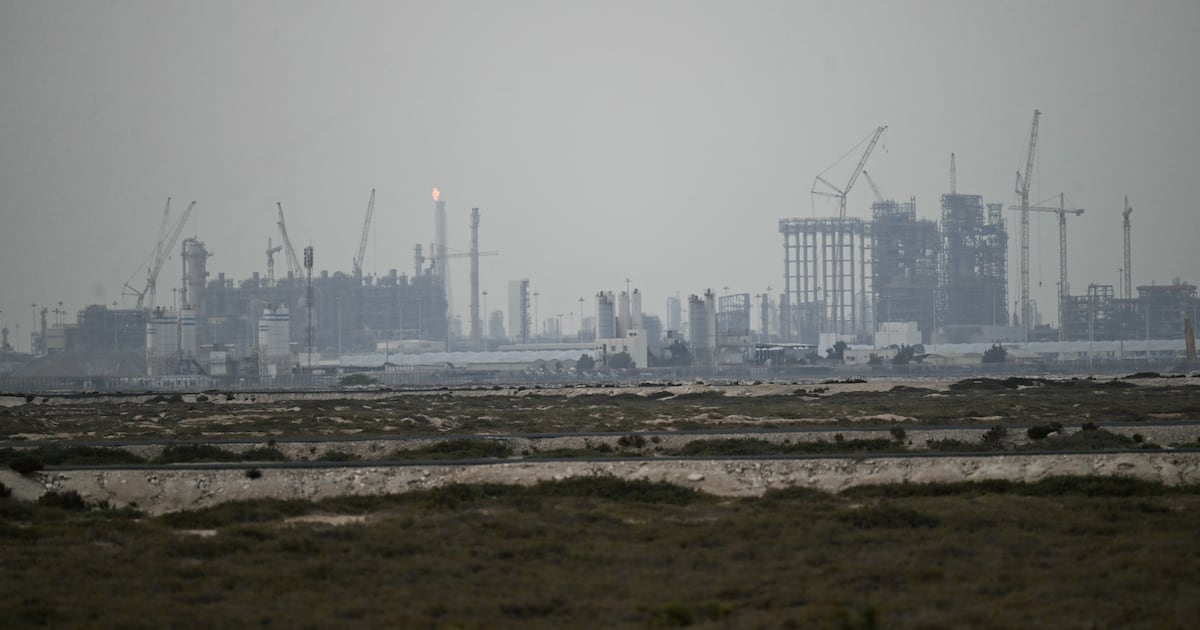
But previous crises have taught us that as well as the top-line risks, some of the more serious concerns lie in vulnerabilities in particular parts of the markets, which can suddenly explode when the pressure comes on. In some cases these can be hidden corners, such as the crisis that hit the UK government gilt market in September 2022 and its knock-on impact on defined benefit pension funds. In other cases, there are risks hiding in plan sight. And all need to be watched as markets fall again due to rising energy prices which followed an Iranian attack on the major Ras Laffan LNG plant in Qatar.
Here are two of the obvious ones for 2026.
Bond markets
Government bond prices have taken a hit in recent weeks due to fears about higher inflation coming from the Gulf war. The duration of the conflict is key here, as well as the terms on which it ends. There is an obvious risk, for example, that even a US decision to cease attacks could still leave Iran targeting oil and liquefied natural gas (LNG) shipments through the Stait of Hormuz – thus keeping upward pressure on energy prices.
At the start of 2026, asset managers had anticipated a “normal” year for bonds, with hopes that stable or lower central bank interest rates would support prices and keep yields – or longer-term interest rates – down. Outlooks for 2026 spoke optimistically of the outlook for this area of investment.
Now, this has all been turned upside down because of fears of a prolonged boost to inflation – and the risk that countries will have to raise more debt to pay for the costs of the war and to compensate consumers and businesses for the impact on energy prices.
On balance, investors still believe the impact will not be too prolonged, betting on the fact that oil prices are still relatively low in historic terms when adjusted for inflation. And that fears of economic damage provide an incentive for the conflict to end.
 Wall Street stocks dipped early on March 18th after data showing an unexpected jump in producer inflation added to anxiety about a Federal Reserve decision later in the day. Photograph: Angela Weiss/AFP via Getty Images
But with flows of oil, liquefied natural gas and fertilisers all upset – as well as shipping in general- pessimists worry about a prolonged upset to supply lines and a longer term boost to energy prices and inflation. They point to how long it took global supply lines to return to normal after the Covid shock. If these fears grow, bond markets could start to get decidedly edgy.
[ Global markets rattled as Middle East crisis deepensOpens in new window ]
“There are few places to hide from this near-term supply shock in our view,” according to Blackrock, the investment manager, in a recent note. “Government bonds and gold are not providing ballast as equities fall. That’s because … investors are demanding more compensation for the risk of holding long-term bonds given persistent inflation and high debt levels.
“This latest supply shock only intensifies that dynamic, flipping the recent market narrative on disinflation and putting more upward pressure on bond yields.”
Bonds are important as they form part of the investment portfolio of many pension and investment funds. They are intended to be “safe”, while equities involve more risk.
Those with pension funds thus typically see more of their money moved into bonds as they approach retirement. Also, when equities are rising, generally bonds will fall – and vice versa.
Were the Gulf war to persist, hitting equity markets due to lower growth and bonds due to higher inflation, the risk would be of another year similar to 2022, when the Covid fallout led to both of these key asset classes falling, creating a dreadful year for pension and many investment funds. Bonds can also benefit from times of low growth, but generally only if inflation is falling as a result. And on Thursday, as fears of higher energy prices ignited inflation concerns again, both equities and bonds were falling together.
A hit to growth and the need to spend more in response to higher energy prices could lead to governments borrowing more, leading to further rises in longer-term interest rates as countries try to lure investors to put money into their debt.
Private credit
Following the financial crash, lending rules for banks were tightened across the world. Big financiers stepped into the gap, setting up specialist funds to take cash from investors and lend it to companies. So-called non-bank financing, in the past typically only common in areas like asset financing, took a big leap forward.
And now it has gone mainstream. Many big US-run funds have lent widely, including to the under pressure software sector which, according to a recent analysis by the Bank for International Settlements, is responsible for 20 per cent of lending from business development corporations, a type of private US fund now in the spotlight. This is $500 billion (€435 billion) in cash terms.
This has led to nerves in the sector, with the share prices of the big fund providers – such as Blackstone, Blue Owl and KKR – down sharply and a flood of demands from investors seeking to get their money back. This is largely due to nerves over the software sector, but also the role of some of these funds in lending to the so-called “hyperscalers” – the big players like Meta who are investing billions in AI infrastructure. The huge cash needs of these investments mean more of it is now coming from borrowing as opposed to equity.
Unlike traditional investment funds or traditional private credit vehicles – often with no withdrawals permitted during a specific lifespan – many of the structures now in the spotlight are so-called “semi-liquid funds”, offering investors the option to withdraw a certain amount of their money every six months. In recent years, these vehicles have grown, offering investors a steady interest return and earning big fees for the promoters.
Increasingly, wealthy retail investors have become involved in these funds, as well as professional investors such as pension funds. And the Trump administration has given the green light to private assets becoming part of individual pension plans.
Now, as fears hit over AI and the Gulf, fund owners have been scrambling to return cash to investors who are looking for their money back. The Financial Times has estimated that investors have sought $10 billion back to date, with more to come.
[ ECB and peers to adopt wait-and-see approach to Iran war inflation impactOpens in new window ]
While rules about the scale of withdrawals have allowed some funds to say no – they typically limit withdrawals to 5 per cent of the size of the fund – and others have chosen to inject new equity to allow funds to be paid to those who wanted it, it is a big change of mood in a sector which had been growing strongly.
The fear is that further general market upheaval could lead to an acceleration in this trend, causing increasing problems for the private finance sector, the banks which have supported it and its private investor base. In turn, this could cause concern about the wider private lending market, which has grown exponentially and has links to risky assets such as crypto.
Big international institutions like the IMF, the Bank of International Settlements and central banks have worried for some time about the opaque nature of the private credit market and its links back to the mainstream banking system. Regulators are worried about the lending standards of the sector, which could be exposed if the economy turns down and the risk of bad debt and a loss of investor confidence.
While mainstream banks are heavily regulated and monitored, and obliged to have stronger balance sheets than before the financial crash, the same rules are not applied to non-bank lenders.
So, what’s the bottom line?
Lessons from previous market upheavals show that trouble can blow up in the most unexpected places. But there are patterns. One is the power of the bond market and how upheavals in key markets, particularly that for US treasuries, can cause systemic issues.
The second is the risks caused by leverage. When investments that go bad are funded by equity, shareholders take a hit. This is painful, but contained.
When investments are funded by debt – like property markets in 2008 – problems spread quickly as the financial system comes under pressure from bad debt. Within this, there can be particular risks from what are called liquidity mismatches – when investors want their money back in the short term, but fund managers struggle to give to them because their investments are long-term in nature.
These are the areas to watch in the weeks ahead if the conflict drags on. Markets are at a fragile moment, reliant on the forecasts of geopolitical experts for direction.