
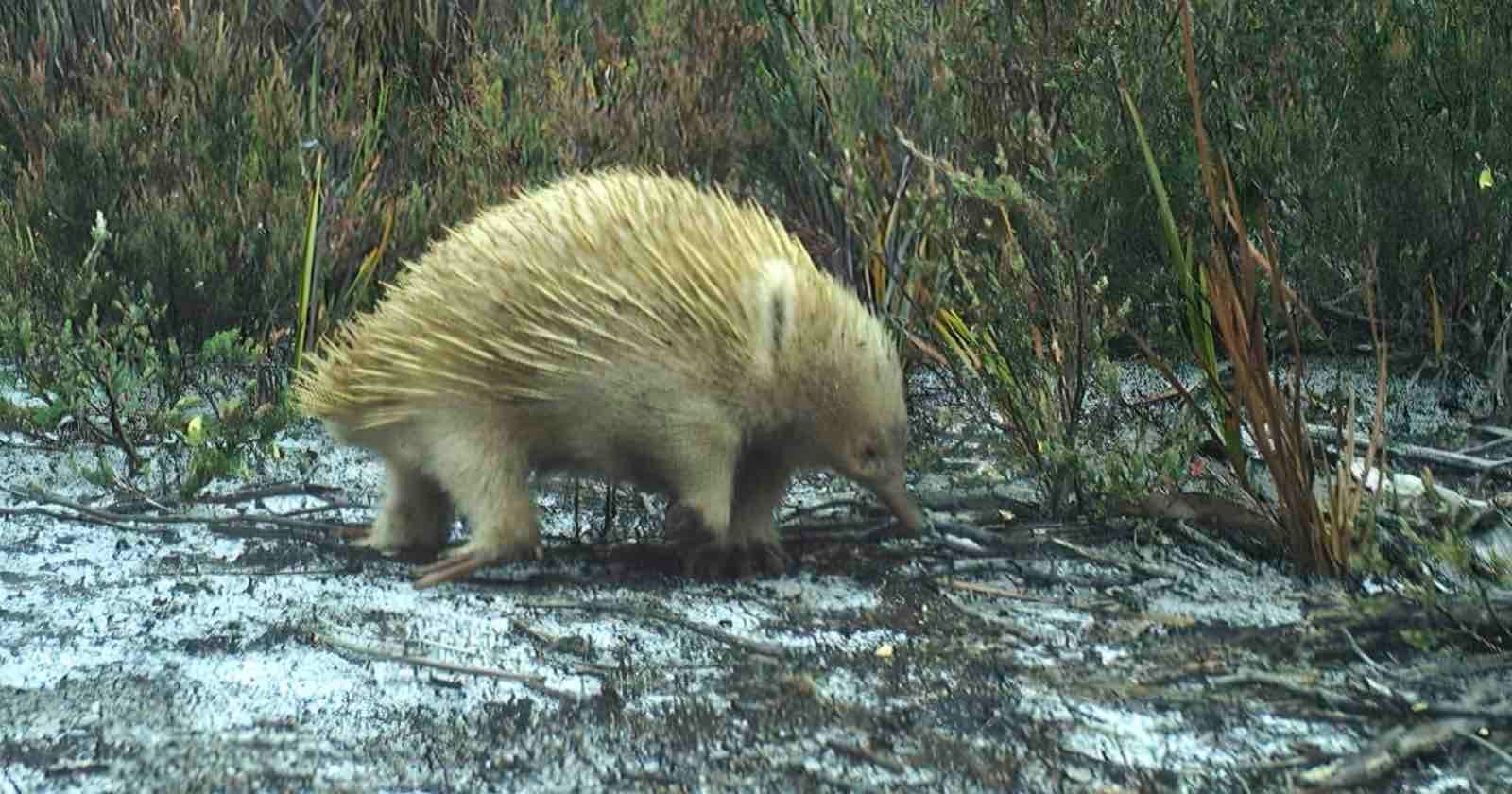
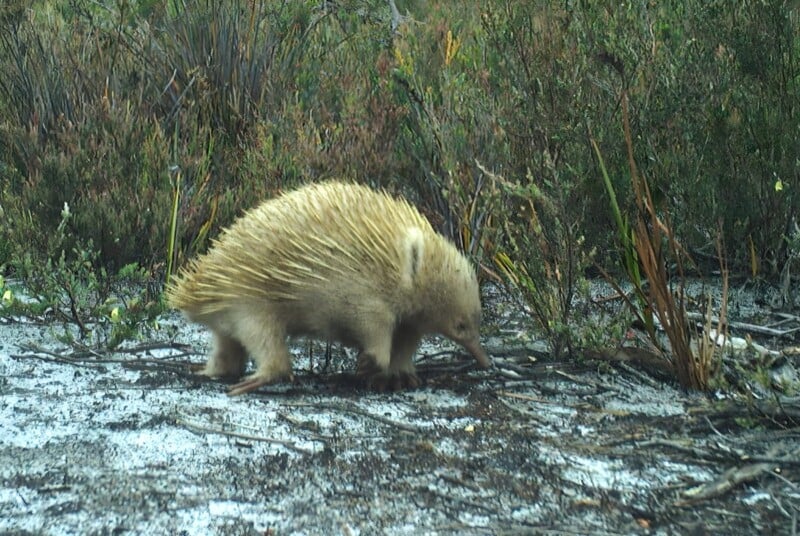
 A blonde echidna photographed on Truwana/Cape Barren Island © Truwana Rangers
A first-of-its-kind camera survey on a remote Tasmanian island has uncovered rare and elusive animals, capturing images of species seldom seen by humans.
A network of motion-sensor cameras deployed on Truwana/Cape Barren Island, off Tasmania, has revealed rarely-seen species, including blonde echidnas, tiny marsupials, and threatened seabirds. The project, led by the Truwana Rangers and supported by WWF-Australia’s Eyes on Country program and Dr Elizabeth Znidersic of Charles Sturt University, marks the first time camera traps have been used systematically on the island.
Rangers installed 30 cameras across seven sites between November 2024 and May 2025. When the devices were retrieved, they contained approximately 500,000 images, offering an extensive record of animal activity across the landscape.
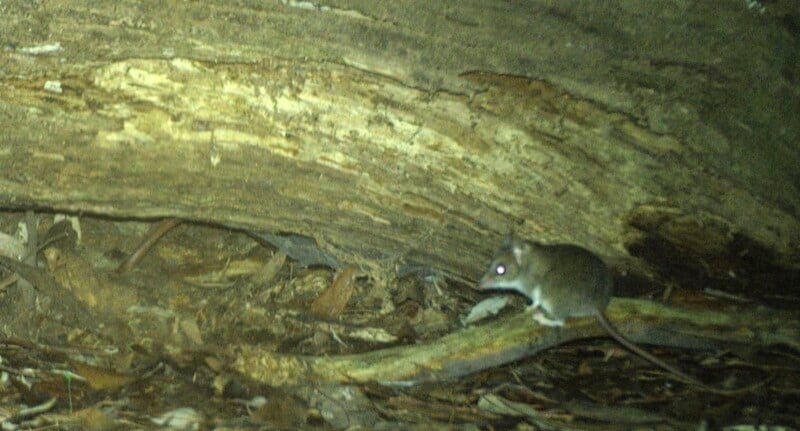 A white-footed dunnart photographed on Truwana/Cape Barren Island © Truwana Rangers
Among the most significant findings were repeated sightings of white-footed dunnarts, small nocturnal marsupials that feed on insects. The species is considered rare, with fewer than 5,000 individuals believed to exist in Tasmania. The cameras recorded white-footed dunnarts at six of the seven monitored locations, a notable result given that the species is infrequently detected elsewhere despite intensive survey efforts.
The cameras also captured images of blonde echidnas alongside darker individuals. These echidnas belong to the Tasmanian subspecies, which has thicker fur than those found in warmer regions. The lighter coloration is likely due to leucism, a genetic condition that reduces pigmentation.
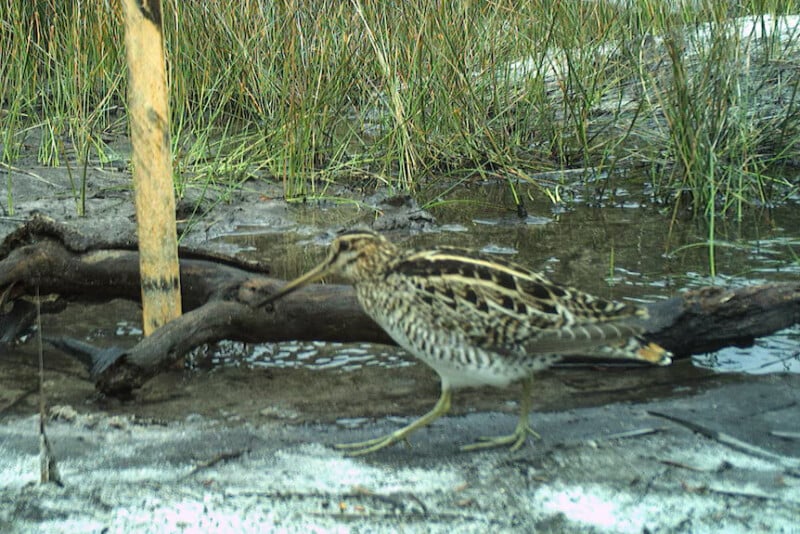 A Latham’s snipe © Truwana Rangers
In addition, the camera survey documented other small mammals, including the Tasmanian subspecies of the long-nosed potoroo and the eastern pygmy possum. Birdlife was also recorded, including the Latham’s snipe, a migratory shorebird that breeds in northern Japan and parts of far-eastern Russia before traveling to Australia. The species is classified as vulnerable on the EPBC Threatened Species list and is rarely seen due to its secretive behavior and preference for dense wetland habitats.
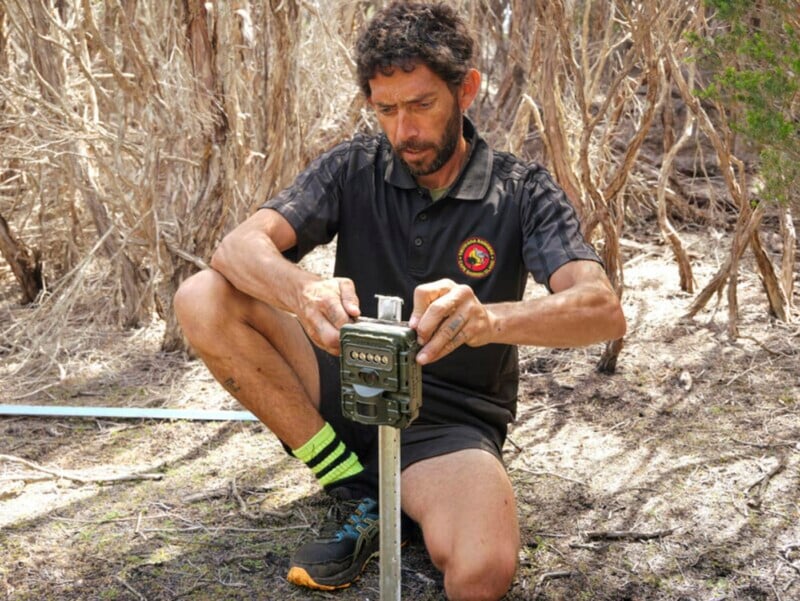 Truwana Ranger Phil Thomas setting up a camera. © WWF-Australia/ Emma Spencer
The findings of the first-ever camera survey are notable given the presence of feral cats on Truwana/Cape Barren Island, suggesting that small mammal populations continue to persist.
“Working alongside the Truwana Rangers has fundamentally shaped this research,” Dr. Elizabeth Znidersic, Charles Sturt University, says in a statement. “Their understanding of the land and its species has helped us interpret what the cameras are showing in a much more meaningful way. These camera arrays are revealing a level of biodiversity that other survey methods often miss, especially for shy or nocturnal birds and mammals.”