
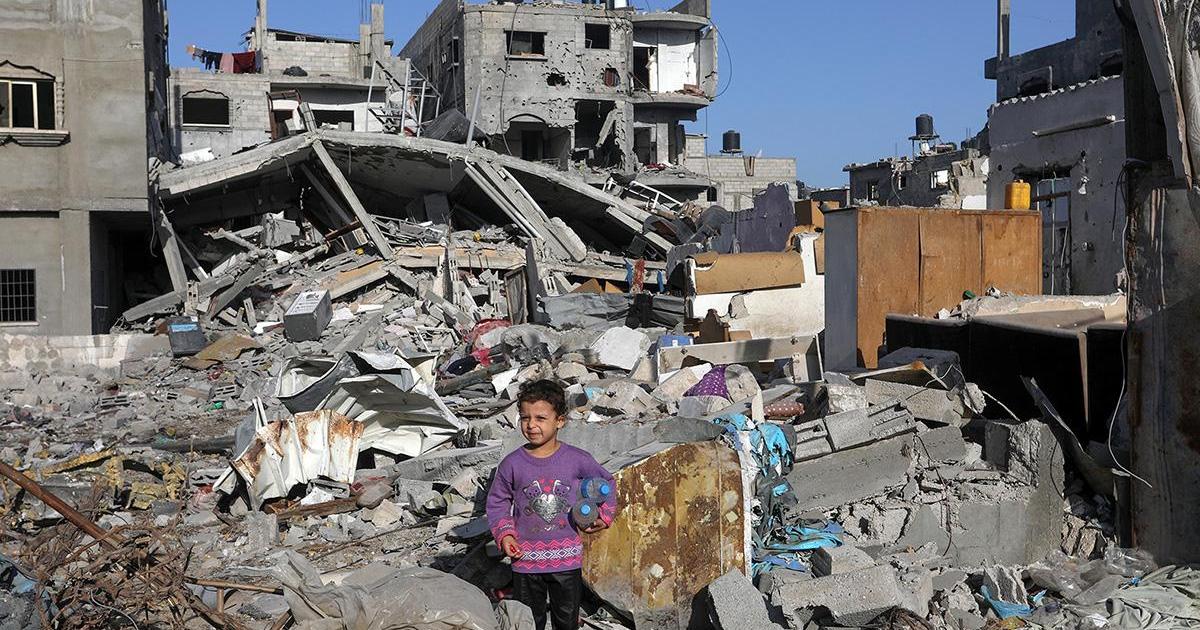
Therapists have reported an increase in complaints of anxiety linked to geopolitical tensions, as the US war on Iran continues to raise the spectre of a wider regional conflict and Russia maintains its years-long assault on Ukraine.
The founders of two therapy clinics said concerns over wars in the Middle East and Eastern Europe had left people feeling “exhausted” and “heavy” – complaints they said featured in discussions with both new and existing patients.
This comes come two weeks after US President Donald Trump declared war on Iran, striking the country’s leadership and military.
Paths Clinic founder and therapist Charlene Duca told Times of Malta she had noticed a “marked increase in anxiety linked to the geopolitical climate” both among her personal clients and in new referrals to the clinic.
This, she said, “suggests something shifting more broadly rather than individual vulnerability”.
“What seems to be unsettling people is a psychological shift; the long-held assumption that war and instability belong to a past generation or to troubled countries elsewhere is breaking down, and the sense that danger is no longer comfortably distant is difficult to sit with.”
‘Quiet helplessness’
While some patients were monitoring the news “compulsively, others are deflecting or avoiding it entirely, but what is common across the board is ruminative thinking and a feeling of heaviness”, said Duca.
The psychologist and psychotherapist described the complaints as more of a “quiet helplessness” than outright panic, and a “sense of moving closer to something terrible”.
And while some were expressing frustration at the US president, there was “wider confusion about who, if anyone, might help”, said Duca, adding that despite the fears, patients had not made significant life changes, with travel plans and routines remaining intact.
“People are holding on to normal life until they have more information,” she said.
Duca explained that while anxiety typically drives people to act, seeking to regain a feeling of control or safety, “geopolitical anxiety is particularly difficult to make sense of because that drive has nowhere useful to go”.
“The threat feels too vast and too far beyond individual control, and so rather than finding relief, the worry simply sits there, with nowhere to go.”
‘Losing sleep’
Willingness founder and therapist Matthew Bartolo also reported heightened fears but said that while some new patients had presented at the clinic with complaints of anxiety, such concerns were featuring more among existing patients.
“Some patients are losing sleep because of anxiety over what’s going on and how it might affect them,” he said, adding that while such fears had persisted in recent months as various geopolitical situations continued, the recent Iranian strikes made such worries feel “more pressing”.
Those fears typically were seen in patients already exhibiting anxiety, he said, emphasising patients’ symptoms had “intensified”. Complaints about anxiety at the situation in the Middle East were up across the board, said Bartolo.
Meanwhile, the long-running conflict in Ukraine continues to provoke feelings of worry, exacerbated by people “watching online footage of Ukrainian soldiers and empathising with them”.
RELATED STORIES
And videos showing scenes of devastation caused by war, juxtaposed with images of the same areas before the conflict were leading viewers to become “emotionally exhausted”, he said.
Bartolo stressed that social media played a significant role in exacerbating fears, pushing reported levels of anxiety steadily up over the past six to seven years.
Focus on what you can control
The psychotherapist said that while it was natural for people to feel anxious during times of war, he recommended limiting exposure to reporting about war, “which can intensify anxiety without increasing control”.
“Focus instead on what is within your influence: daily routines, physical activity and supportive relationships”, he said, adding that “grounding techniques” such as slow breathing and walking can provide relief.
“Speaking openly with others also helps prevent anxiety from becoming overwhelming.”
Duca said it was helpful to challenge catastrophic thinking by distinguishing between what is possible and what is probable.
She emphasised the importance of maintaining daily routines and staying socially connected, while also advocating for breathing exercises as well as meditation, “mindfulness and grounding techniques” – which should be practised daily.
“Ultimately the aim is not to avoid or deny reality, but to prevent the mind from living in constant uncertainty,” she said.
“The goal is to remain informed yet still anchored in our immediate, lived experience.”