
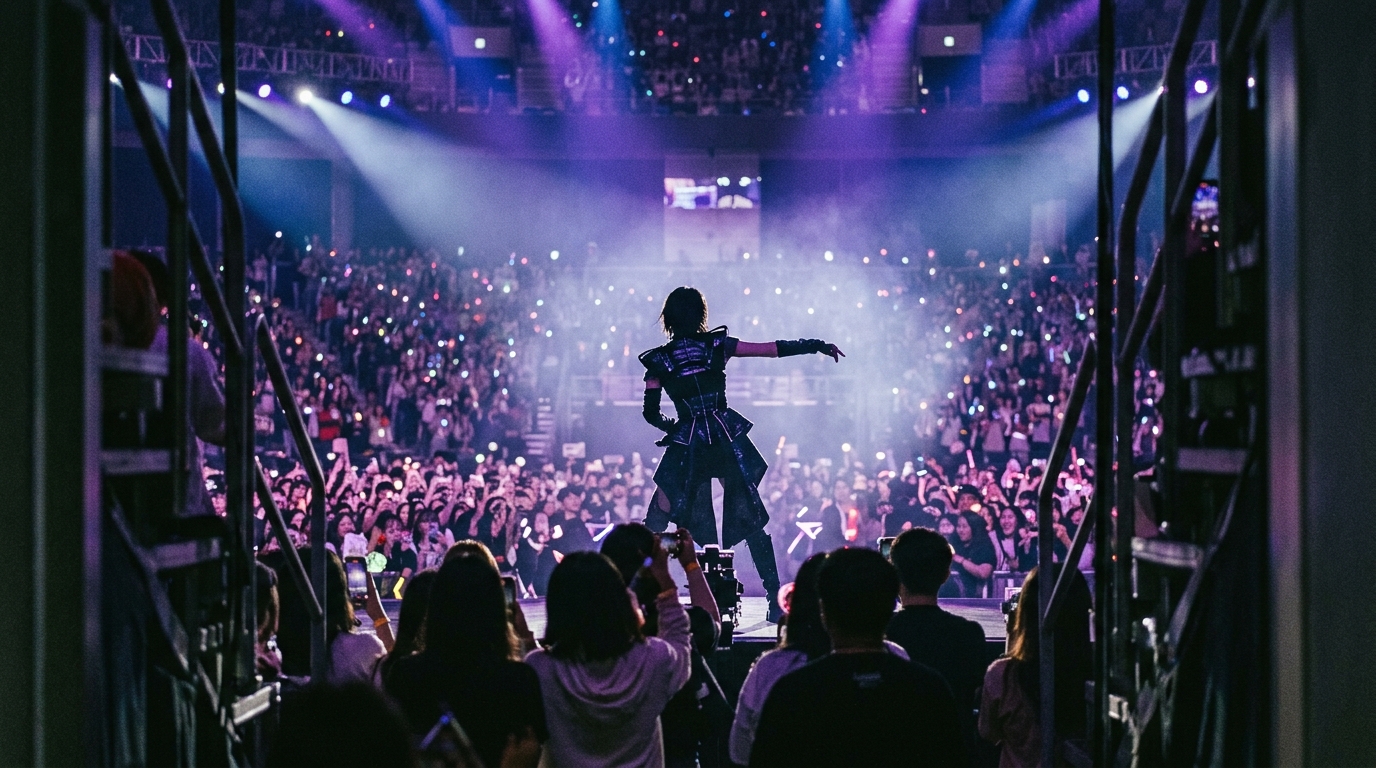
The Machine Behind the Music
The neon lights of Seoul may be bright, but in the sterile, high-pressure corridors where global icons are manufactured, the shadows are long and cold. As BTS, the world’s most formidable musical septet, officially unites following their mandatory military service, the international media is preoccupied with the charts and the stadium tours. Yet, beneath the veneer of synchronized choreography and stadium-filling anthems lies a more insidious, industrial apparatus built on decades of psychological endurance, restrictive contractual obligations, and a crushing, institutionalized demand for perfection.
The return of BTS is not merely a music business story it is a flashpoint for a broader examination of the K-pop industry’s structural ethics. For millions of followers in Nairobi and across East Africa—where the K-pop fandom has become a socio-cultural force—this comeback serves as a poignant reminder that the global cultural economy often runs on the unseen labor of youth. At stake is not just the artistic autonomy of seven men, but the well-being of an entire generation of performers trapped in an industry that prizes market capitalization over human sustainability.
The Assembly Line of Stardom
The K-pop industry operates on a model of hyper-efficient talent extraction. Aspiring idols are often recruited as children, placed into boarding-school-style training facilities where every movement, vocal inflection, and dietary choice is micro-managed by agency executives. This is not artistic development in the traditional sense it is a rigid, assembly-line process designed to remove imperfections and create a standardized product for global export.
Critics within the South Korean creative sector argue that this system inherently strips individuals of their agency long before they see a stage. Data from the Korea Creative Content Agency highlights the intensity of this environment:
Average training period for K-pop idols: 3 to 5 years.
Typical contract duration: 7 years, historically renewable under restrictive terms.
Revenue distribution: Often heavily skewed toward the agency, with trainees frequently indebted for their training costs before earning their first paycheck.
Regulatory shift: The South Korean Fair Trade Commission has intervened multiple times to cap contract lengths, yet legal loopholes remain for talent management practices.
The Kenyan Mirror
For the Kenyan reader, the K-pop narrative of exploitation and agency struggle is not a foreign concept it is a mirror reflecting the challenges faced by local artists in the Nairobi creative scene. While the financial scale of K-pop—a multibillion-dollar export engine for South Korea—dwarfs the Kenyan music industry, the structural precarity remains remarkably similar. Young musicians in Kenya frequently navigate a landscape devoid of robust institutional protections, where digital streaming royalties are opaque and talent management contracts are often signed under duress or through a lack of legal literacy.
The idol system in Seoul creates a level of fan-enforced perfectionism that can turn toxic, a dynamic increasingly visible in the online spaces of Nairobi’s digital youth. When Kenyan fans demand perfection from their local stars, they inadvertently mirror the hyper-critical standards imposed on Korean idols, highlighting the need for a more empathetic understanding of the human being behind the viral video.
The Financials of Perfection
The financial mechanics supporting the BTS comeback are staggering. Agencies such as HYBE operate with the efficiency of tech conglomerates, viewing artist activity as high-stakes, diversified asset management. For investors, the return of BTS represents the stabilization of a flagship asset class. However, this corporate-centric model often clashes with the reality of the artist’s mental health. Independent psychiatric evaluations cited in various Korean academic journals have long pointed to the high incidence of anxiety and depression among entertainers in the hyper-competitive Seoul market.
The pressure is not merely about staying relevant it is about sustaining an entire corporate ecosystem. An army of employees, subsidiary businesses, and global stakeholders depends on the constant productivity of the artists. If the machine stops, the market capitalization contracts. This creates a cycle where resting is viewed as an operational failure rather than a biological necessity.
A Call for Systemic Change
The global audience, now increasingly sophisticated, is beginning to pivot from passive consumption to conscious engagement. Activist movements among fan bases are demanding greater transparency regarding artist welfare, fair-trade certifications for talent agencies, and more robust mental health support systems. The industry has been forced to respond, with some agencies introducing mandatory therapy sessions and nutrition programs, yet skeptics argue these are performative measures intended to manage public relations rather than address the systemic roots of exploitation.
As BTS returns to the center stage, the question remains whether the industry will finally evolve to value the human beings who power it, or if it will continue to rely on a model that burns out talent to sustain shareholder value. For the millions of fans who have invested their emotional capital in these icons, the ultimate support for their idols may lie in challenging the very system that defines their existence. The future of global pop culture depends not on the perfection of the performance, but on the dignity of the performer. The world is watching to see if the machine can finally yield to the human.