
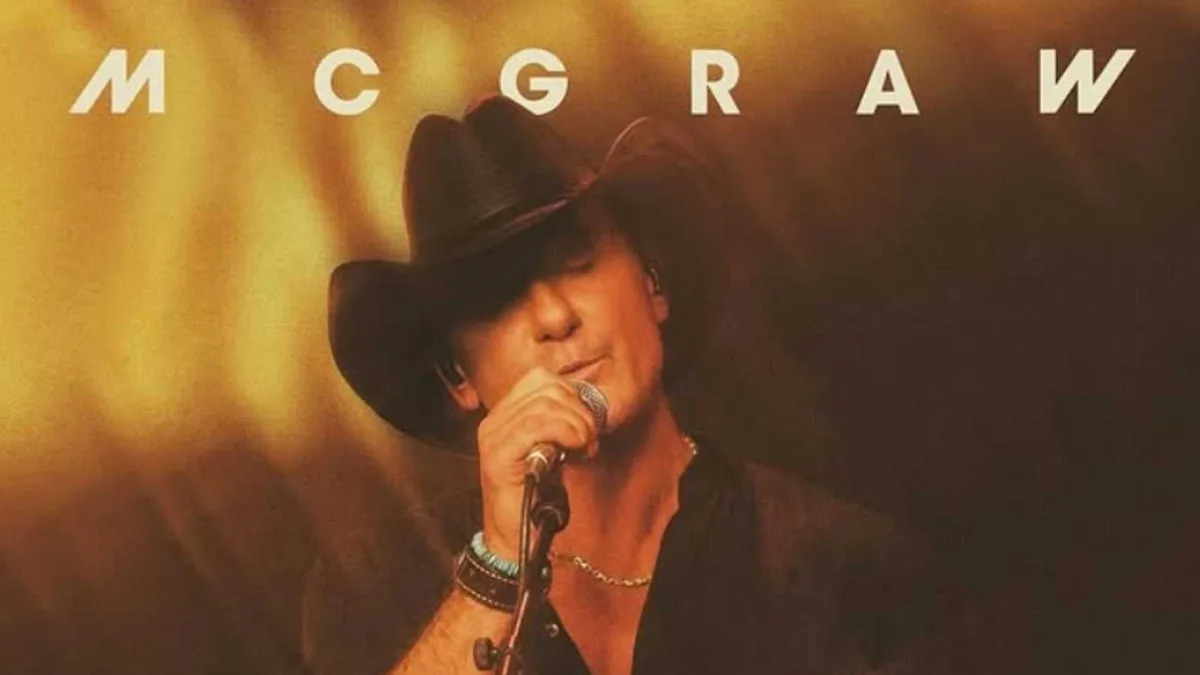
There’s a particular kind of silence that falls over a room when a legend realizes… out loud, that they’ve become one. That was the energy circling Tim McGraw on March 20, inside the rotunda of the Country Music Hall of Fame. Not the loud, celebratory kind of silence. The heavier one. The kind that presses against your chest a little.
The kind that says: this is no longer about the climb, it’s about what the climb cost you. McGraw, now 58, stood there emotional, almost disbelieving, as his name was announced as part of the 2026 class. He didn’t play it cool. He didn’t brush it off. He let it land.
“My imagination didn’t do it justice,” he admitted, an oddly vulnerable thing for a man whose career has been built on selling emotion while hiding just enough of himself to stay mythic. And maybe that’s the real story here, not the honor itself, but the strange, complicated weight of finally receiving it.
The Long Road That Didn’t Look Like One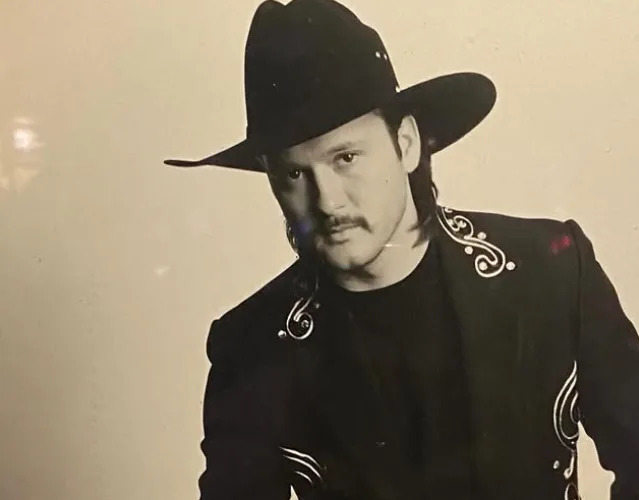
Screenshot from tim_mcgraw_fanpage_support/Instagram. Used under fair use for editorial commentary
On paper, McGraw’s induction feels inevitable. The stats are almost exhausting: tens of millions of records sold, dozens of No. 1 hits, and a career spanning more than three decades. But here’s where it gets interesting, because McGraw’s career never quite followed the clean arc we expect from Hall of Fame legends.
He was never the undisputed king of country for a solid decade, the way some of his peers were. No uninterrupted reign. No singular era that belonged only to him. Instead, McGraw built something quieter, more stubborn: longevity. A career stitched together by persistence rather than dominance, by reinvention rather than takeover.
That distinction matters more than it seems. Country music, maybe more than any other genre, romanticizes peaks, those explosive moments when an artist owns the culture. McGraw didn’t just peak. He endured. He adapted. He lingered long enough to become part of the genre’s emotional furniture.
And in a strange way, that kind of success is harder to celebrate. It’s less cinematic. Less headline friendly. But arguably more honest. More grounded.
A Greyhound Bus and a Ghost of a Dream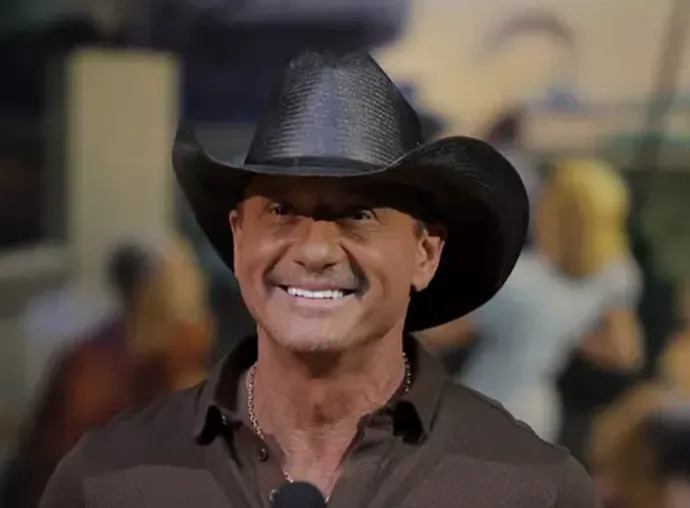
Screenshot from tasteofcountry/Instagram. Used under fair use for editorial commentary
There’s a story McGraw told during the announcement that deserves to be framed. A young man arrives in Nashville on a Greyhound bus at 1 a.m., with a guitar and not much else. He wanders into a bar called the Hall of Fame Lounge. Years later, he’s standing inside the actual Hall of Fame, trying to process how those two moments belong to the same life.
It’s the kind of origin story country music loves. Grit. Faith. A little bit of destiny. But here’s the uncomfortable truth hiding underneath that story: for every Greyhound arrival that ends in glory, there are thousands that end in silence.
McGraw didn’t just work hard. He also made it through a system that quietly filters out most people who try. Which brings us to the different angle nobody really wants to touch.
The Hall of Fame Isn’t Just About Merit… It’s About Timing
Screenshot from thetimmcgraw/Instagram. Used under fair use for editorial commentary
McGraw’s induction is well-earned. That’s not up for debate. But the timing? That’s where things get… complicated. His entry comes at a moment when the Hall of Fame appears to be shifting its focus toward artists who peaked in the late ’90s and early 2000s.
Translation: the gate has moved. And whenever the gate moves, someone gets left outside it. There are still major figures from earlier eras, artists whose influence shaped the very sound McGraw walked into… who haven’t been inducted yet.
So, while McGraw’s plaque will sit comfortably among the legends, it also quietly raises a question: What exactly does the Hall of Fame measure? Impact, influence, or simply the right moment to be remembered?
It’s not a criticism of McGraw. It’s a critique of the system that decides when someone becomes “historic.” Because history, as it turns out, isn’t just written… It’s scheduled.
The Emotional Currency of Tim McGraw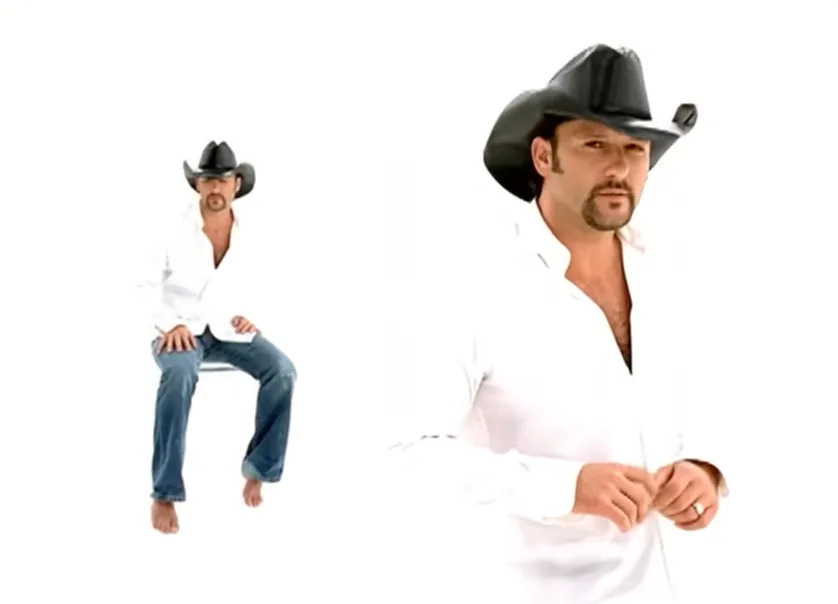
Screenshot from Tim McGraw – Live Like You Were Dying (Official Music Video) by Tim McGraw on YouTube. Used under fair use for editorial commentary
If there’s one thing McGraw mastered, it’s emotional storytelling. Songs like “Live Like You Were Dying” didn’t just climb charts; they became cultural touchpoints, tied to grief, gratitude, and the fragile urgency of being alive. But what often gets overlooked is how deliberate that emotional brand was.
McGraw wasn’t just singing about life; he was curating a version of it. One that balanced vulnerability with control. He gave listeners just enough access to feel connected, but never enough to fully decode him. Even his early career had its tensions.
His breakout hit “Indian Outlaw” sparked controversy and pushback from within the industry, forcing him to defend his instincts before he even had a stable footing. That friction shaped him. It made him careful. Strategic. Resilient. And maybe that’s why this Hall of Fame moment feels less like a victory lap and more like a reckoning.
Still Standing, Not Sitting Down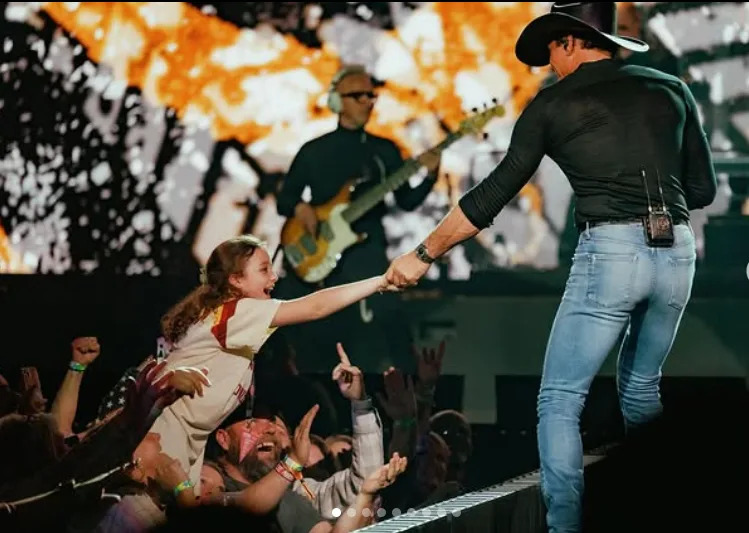
Screenshot from thetimmcgraw/Instagram. Used under fair use for editorial commentary
Here’s the twist that makes this story richer than the usual Hall of Fame narrative: This isn’t the end of McGraw’s career. Not even close. He’s still touring. Still releasing music. Still collaborating with newer artists. Still chasing relevance in an industry that rarely shows mercy to aging stars.
Which creates a fascinating tension. The Hall of Fame is supposed to be a kind of closing chapter… a moment where the story settles into legacy. But McGraw isn’t settled. He’s still writing new pages.
So, what happens when you canonize someone who hasn’t finished evolving? Do they become frozen in time… or pressured to live up to the version of themselves that got them inducted? Even McGraw seems to feel that weight. He admitted the honor makes him want “to live up to it.” That’s not celebration. That’s responsibility.
The Crown That Doesn’t Sit Lightly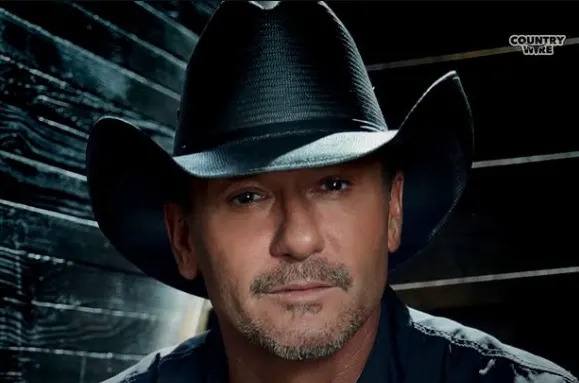
Screenshot from thecountrywire/Instagram. Used under fair use for editorial commentary
There’s something quietly heavy about being told you’ve made it, especially when you’re not done yet. For McGraw, this induction isn’t just recognition. It’s a mirror. One that reflects not only what he’s achieved, but what people now expect him to represent.
Country music doesn’t just induct artists. It turns them into symbols. And symbols don’t get to be messy. Or uncertain. Or evolving. But people do. That’s the tension sitting underneath this moment: the man versus the monument.
And somewhere in that quiet space between applause and expectation, there’s a reckoning. A soft, persistent whisper asking who he is when the spotlight dims, and the titles fall away. Because legacy is a beautiful burden, it honors you while gently taking pieces of your freedom.
To be seen as finished when you’re still becoming, to be celebrated while still searching… that’s the paradox. And maybe the bravest thing he can do now isn’t to live up to the crown, but to remain human beneath it… unfinished, unfolding, and unafraid of the becoming.
So, What Does This Moment Really Mean?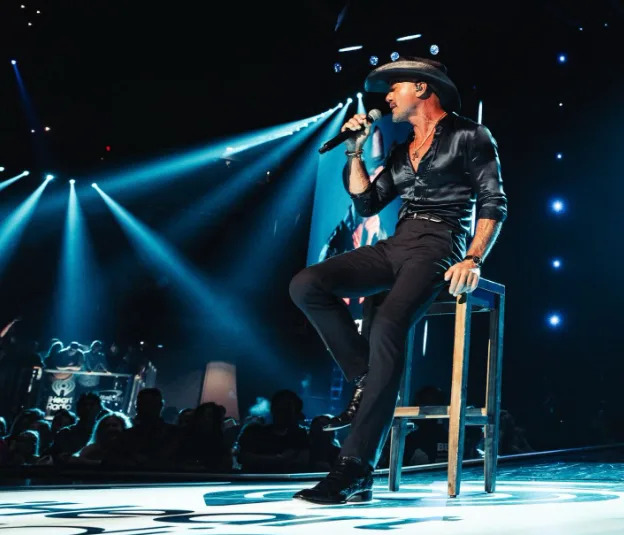
Screenshot from thetimmcgraw/Instagram. Used under fair use for editorial commentary
If you strip away the ceremony, the applause, the polished headlines, what you’re left with is something far more human: A man who chased a dream long enough to become it… and now has to carry the weight of what that dream turned into.
Tim McGraw didn’t just earn a place in the Hall of Fame. He inherited its expectations. And if history has taught us anything, it’s this: The crown always looks lighter from the outside… Until it’s yours.
And somewhere beneath that weight, there’s a quiet confrontation with self…the kind that doesn’t make headlines. The realization that arrival isn’t the same as peace, and fulfillment doesn’t silence the questions.
Because dreams, once lived, don’t disappear… they evolve, they demand, they linger. And in that space between who he was and who he’s expected to be now, there’s a fragile, powerful truth: even legends are still learning how to carry themselves.