
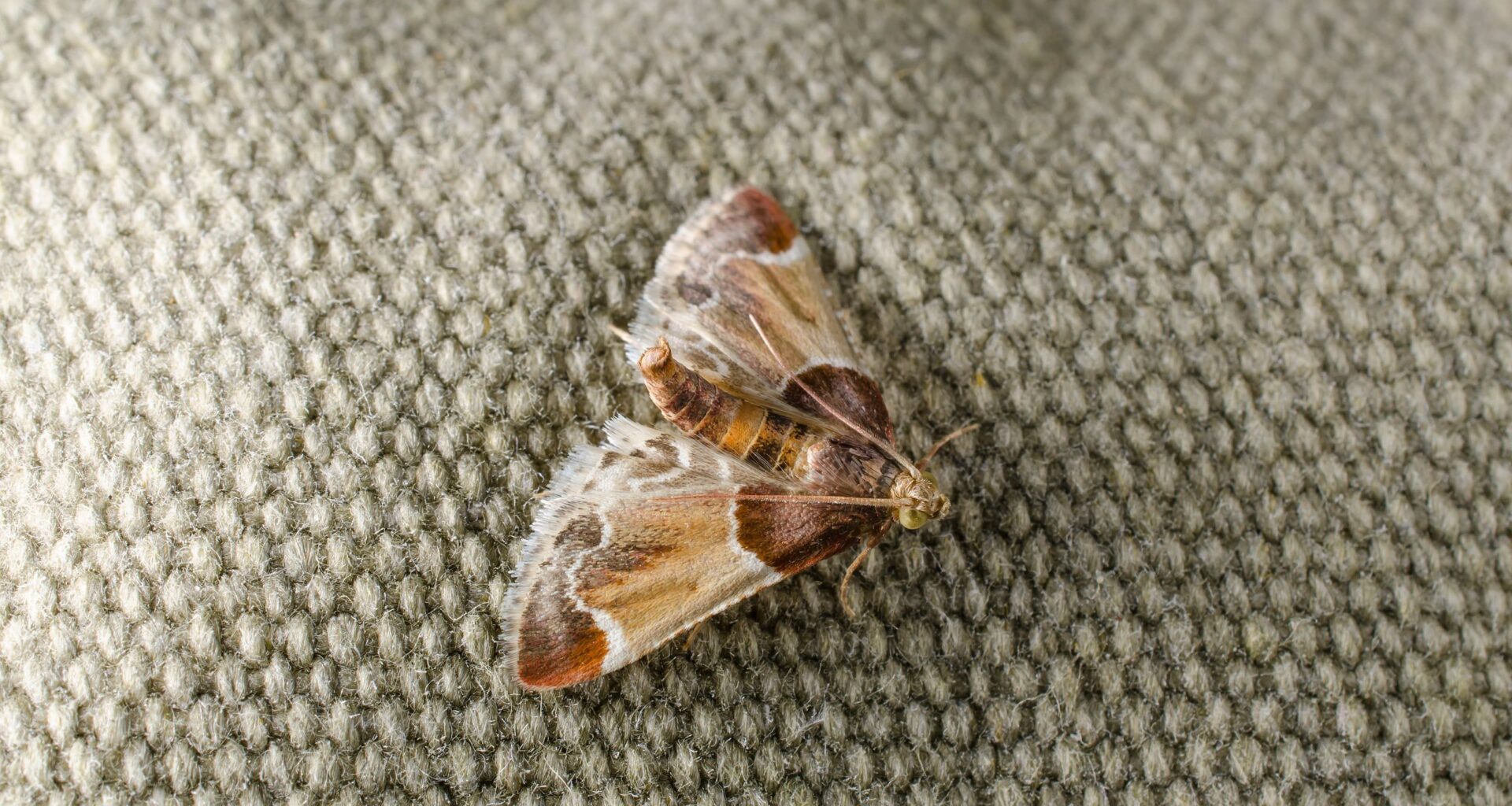
I noticed a small bald patch in my bedroom carpet near the dresser a few weeks ago. Then another under the bed. Then I spotted tiny cream-colored larvae crawling along the baseboard, and I realized I had carpet moths. It’s the worst. These things eat through wool carpets and natural fibers, leaving holes and threadbare spots that only get worse if you don’t act fast.
Carpet moths become active from March through October, feasting on keratin found in materials like wool, cashmage, silk, and fur. The damage comes from their larvae, which hatch in dark, undisturbed areas and eat through carpet fibers relentlessly.
Article continues below
You may like
How carpet moths get inside

Carpet moths live outdoors naturally but enter homes as tiny eggs tracked in on shoes, pet fur, or secondhand furniture and rugs. Once inside, adult moths mate and females lay eggs in quiet, dark spots in your carpet — under furniture, along baseboards, around radiators, or in closets.
The eggs hatch into larvae, which are the real problem. “Carpet moth larvae are the ones that eat at your carpet,” Higgins says. “The larvae are cream-colored with a brown head and around 3-6mm in size, similar to a grain of rice.”
Adult moths don’t damage carpets, they’re just looking for places to reproduce. The larvae do all the eating, and they can go unnoticed for weeks if they’re tucked under heavy furniture or in low-traffic corners.
Signs you have carpet moths
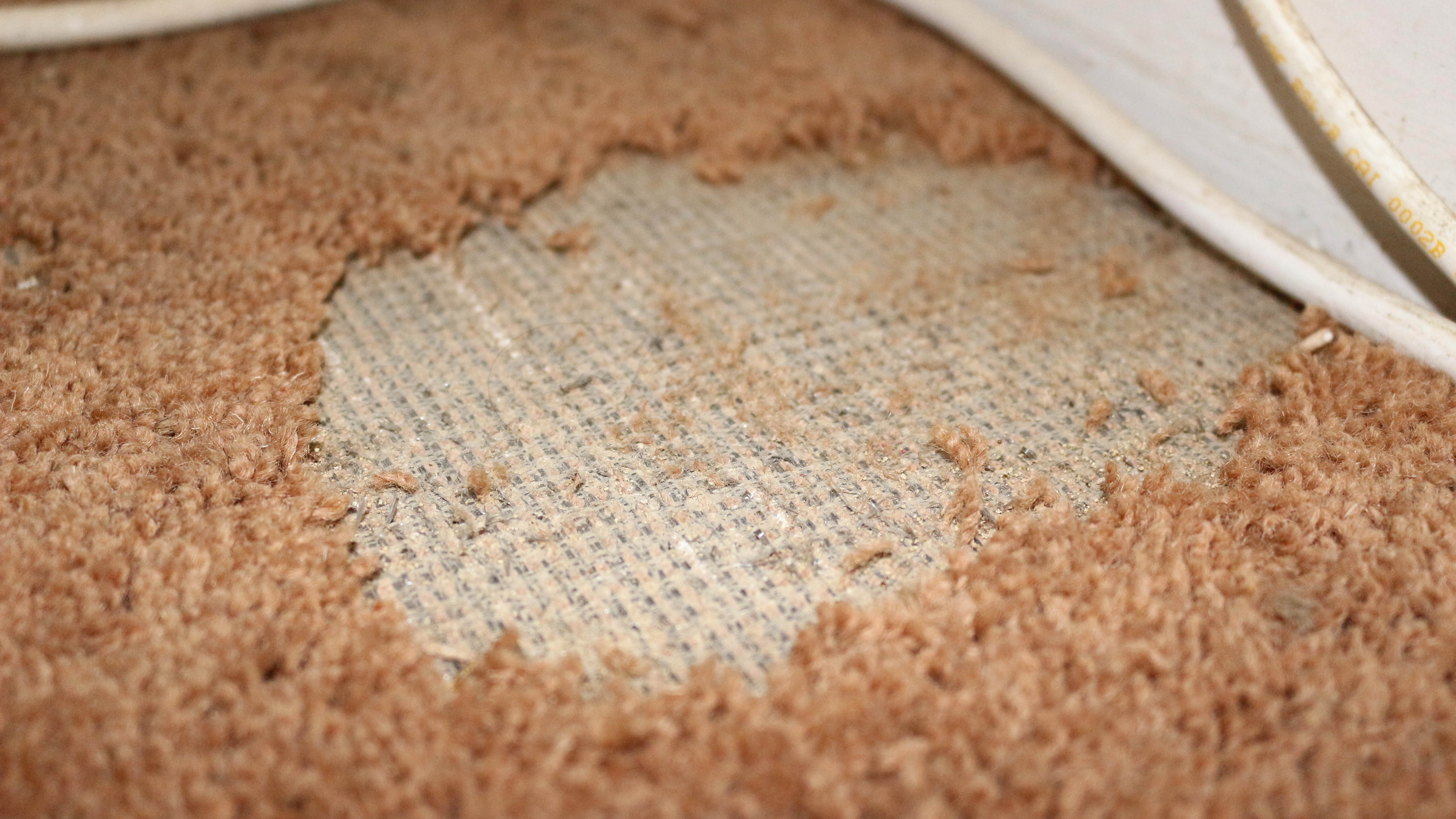
The most obvious sign is threadbare or bald patches in your carpet, especially in areas you don’t vacuum often. Carpet moths favor quiet, undisturbed spots, so check low-traffic areas first.
Look underneath furniture that doesn’t get moved regularly — sofas, beds, dressers. Inspect dark corners, spaces around radiators, and along baseboards where carpet meets the wall. These are prime egg-laying locations.
You might also spot the larvae themselves if you look closely. They’re small, rice-grain-sized cream worms with brown heads, often found clustered in carpet fibers or along edges. Adult moths are small, beige or brown, and fly weakly around the room, usually near windows or lights.
If you see moths flying around but no carpet damage yet, you’ve caught the problem early. Adult moths indicate eggs have likely been laid somewhere in your home, even if larvae haven’t caused visible damage.
How to get rid of carpet moths
1. Vacuum regularly, including under furniture
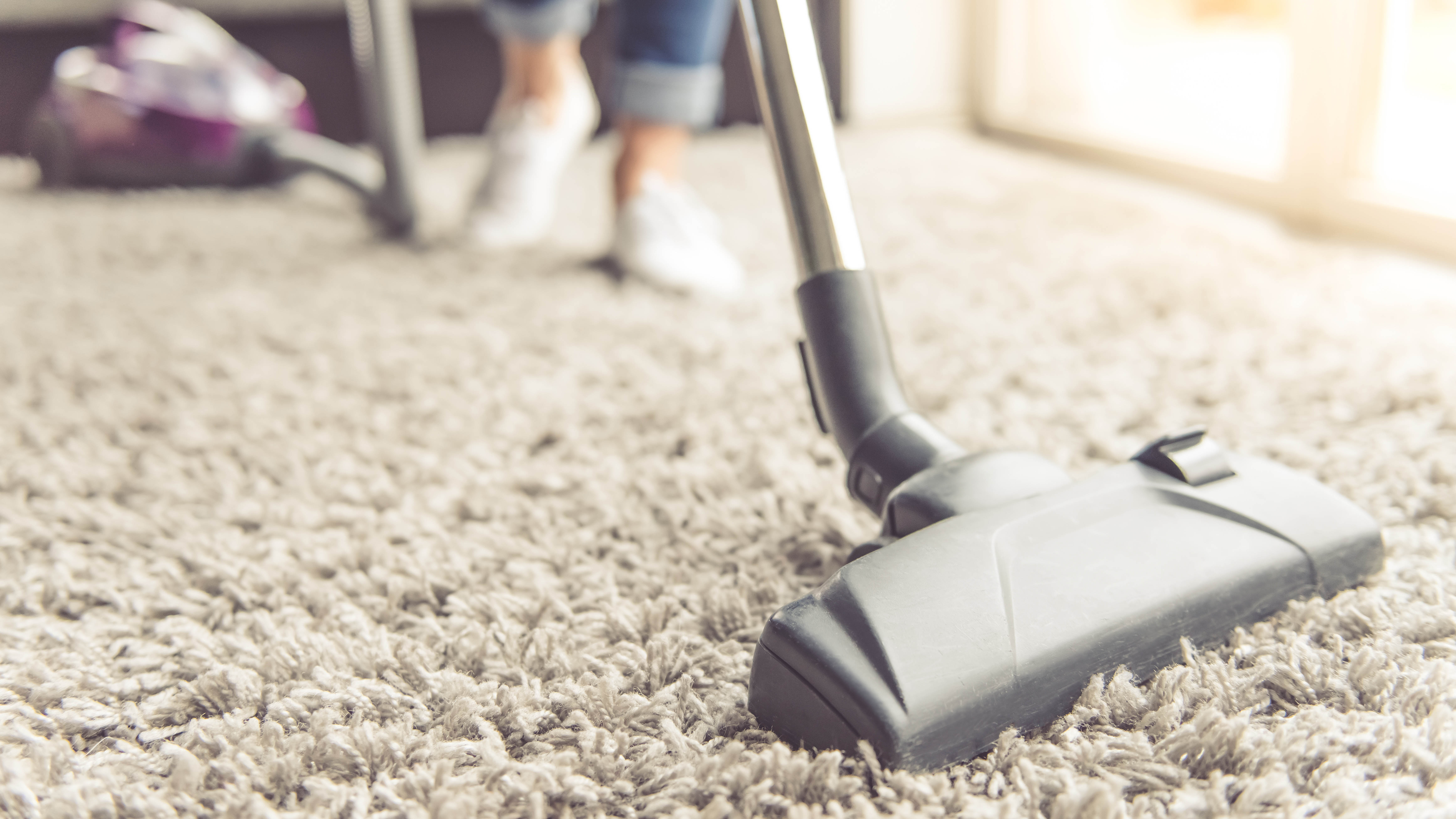
Regular vacuuming is the most effective prevention method. “Carpet moths will look for quiet, dark areas of the home, so they will naturally be drawn to spots under heavy furniture and around the very edges and corners of your rooms,” Higgins explains.
Move furniture to vacuum underneath it at least once a month. This disrupts any eggs or larvae before they establish. Inspect carpet closely while vacuuming to spot early signs: discoloration, thinning fibers, or tiny larvae.
Vacuum wool throws, rugs, and any other natural fiber items in your home as well. Carpet moths aren’t picky about which natural materials they eat. For rugs, take them outside and shake them vigorously to dislodge any bugs before vacuuming.
To ensure you’re fully removing eggs and larvae from your home instead of letting them hatch inside the vacuum bag or canister, empty your vacuum after each use.
2. Keep dust from building up
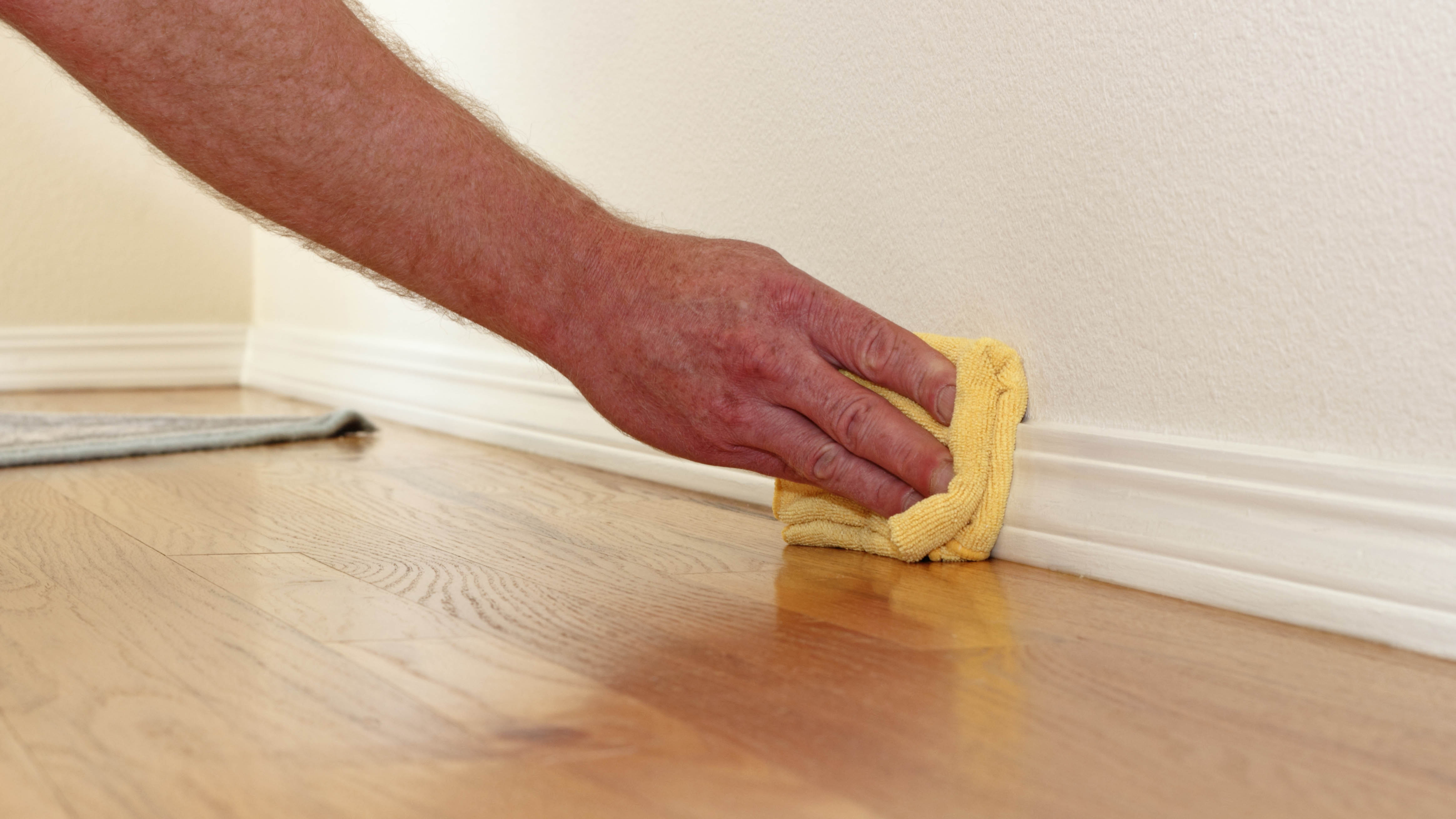
Dust contains hair and skin cells that carpet moths feed on. It accumulates on surfaces and where items meet carpet (furniture feet, baseboards, radiator bases), creating ideal feeding spots for larvae.
Use your vacuum’s nozzle attachment to clean these awkward areas where dust settles. Pay attention to spots you normally skip: behind doors, under radiator covers, along the back edges of furniture pushed against walls.
Dust isn’t just on horizontal surfaces. Baseboards collect it along the top edge where they meet the wall and along the bottom where they meet carpet. Both are common carpet moth hiding spots.
3. Clean spills immediately
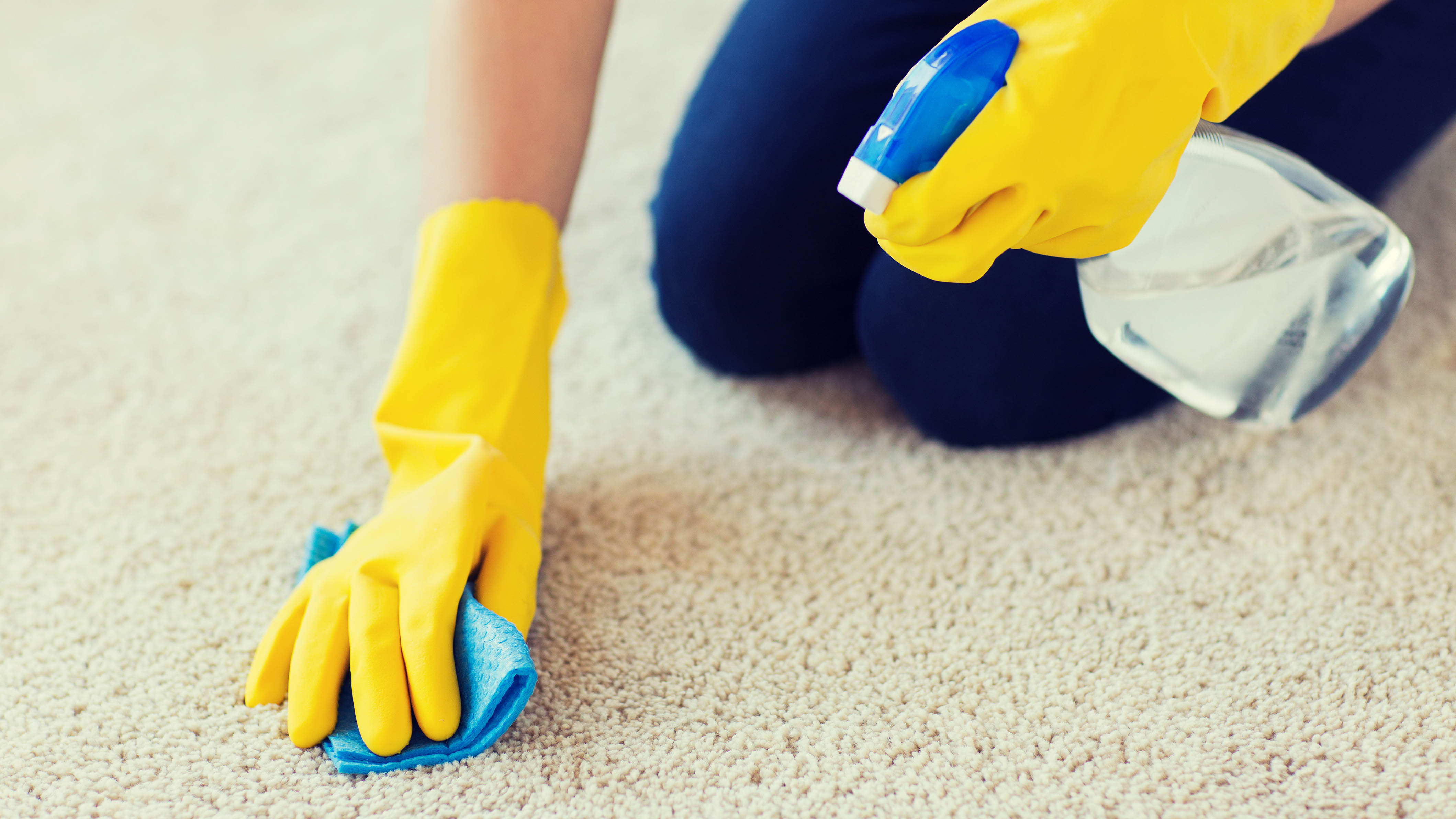
Food spills and crumbs contain keratin, giving carpet moths another food source beyond carpet fibers. Clean any spills promptly to remove this attraction.
Blot liquid spills with a clean cloth, then clean the area with carpet cleaner or a mild detergent solution. Vacuum up crumbs and solid food particles immediately rather than letting them sit.
Kitchens and dining areas are higher risk because of frequent food contact with carpet. If you have carpeted dining rooms, vacuum more frequently and address spills the moment they happen.
4. Use carpet moth traps and treatments
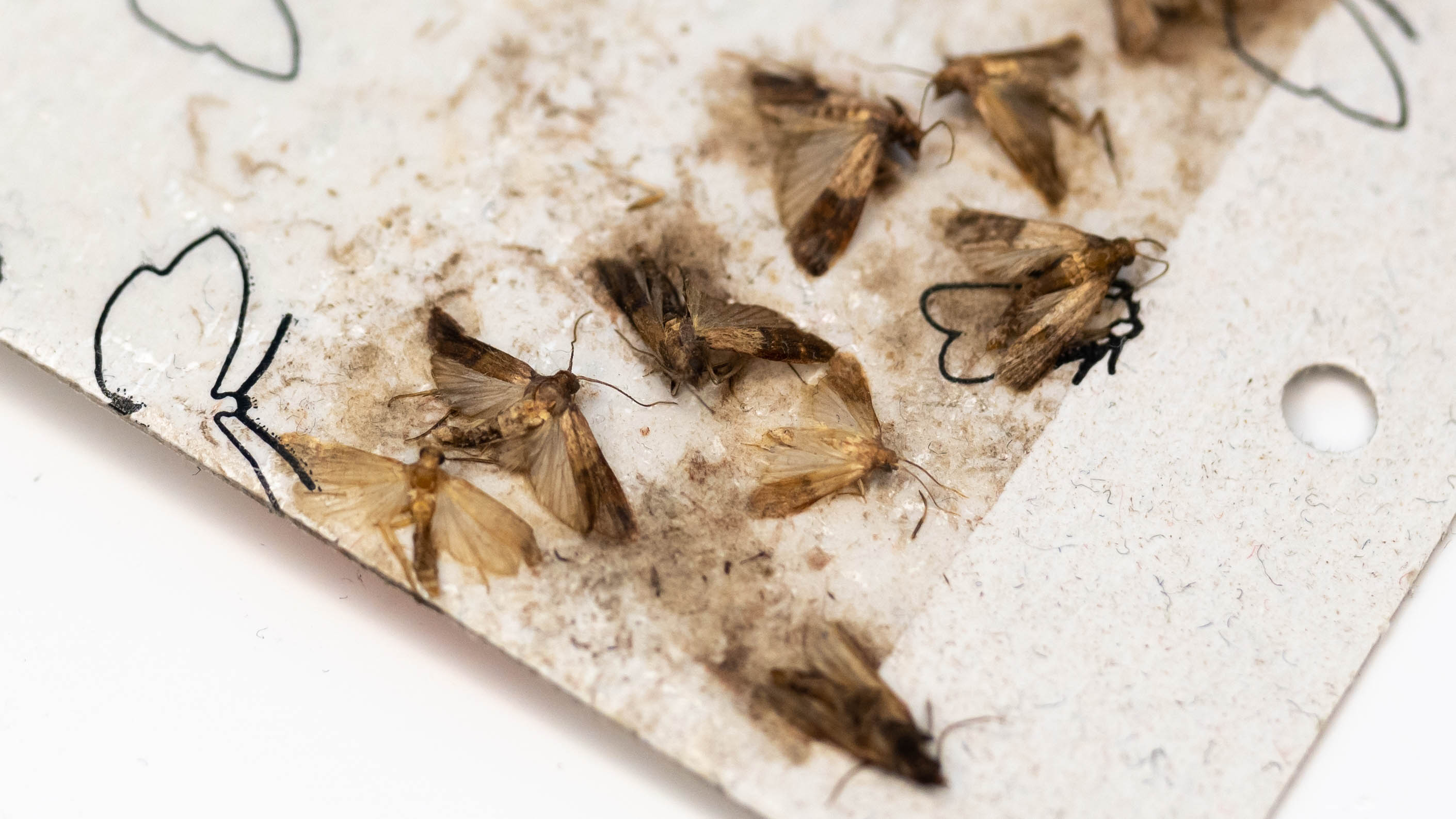
Carpet moth traps attract and catch adult moths, reducing the number that can lay eggs. Place traps in low-traffic areas such as under furniture, in closets and along baseboards for extra protection.
If you’ve already spotted signs of moths, traps alone won’t solve the problem since they only catch adults, not larvae. You’ll need spray or powder treatments that kill eggs and larvae already in your carpet.
“The level of treatment needed will vary based on how serious and persistent the problem is,” Higgins notes. “We’d recommend contacting local pest control companies for their insight on the best course of action for your home.”
For minor infestations caught early, over-the-counter moth sprays or powders applied to affected areas may be sufficient. For widespread damage or recurring problems, professional pest control provides more thorough treatment.
5. Consider synthetic carpet if infestations persist

If carpet moths keep returning despite regular cleaning and treatment, your carpet itself might be the problem. Wool and wool-blend carpets are prime targets because they contain the natural fibers moths need.
Switching to synthetic carpet, 100% polypropylene or polyester. eliminates the food source entirely. Carpet moths can’t digest synthetic fibers, so they won’t infest these materials.
Hard flooring like vinyl or laminate also works if you’re willing to remove carpet entirely. “If the above steps haven’t had an impact at all, changing to hard flooring (opting for vinyl or laminate instead of carpet), or looking at synthetic only carpets such as polypropylene or 100% polyester can be a way of kicking carpet moths out of your home with maximum impact,” Higgins says.
This is a drastic solution, but it’s effective for homes with persistent, recurring infestations that don’t respond to cleaning and treatment. If you’re replacing carpet anyway due to damage, choosing synthetic materials prevents future problems.

Follow Tom’s Guide on Google News and add us as a preferred source to get our up-to-date news, analysis, and reviews in your feeds.
More from Tom’s Guide