

Ireland is set to bid farewell to the shorter, darker days of winter, with a much-anticipated clock change on the horizon
Next Sunday at 1am, the clocks will go forward one hour to signal the start of Summer Time, meaning the sunrise and sunset will happen an hour later over the spring and summer months, giving us much lighter evenings to enjoy
A clock change is on the way, with people set to lose an hour in bed this month, but in return the evenings will remain brighter for longer.
The grand stretch in the evenings has been very welcome over the past few weeks – and there will be even more light very soon when the clocks go forward next weekend.
In just a matter of days, the full extent of the summer clock will be enjoyed as the time goes forward by one hour – a process known as Daylight Saving Time (DST). The result is that daylight lasts longer and mornings become brighter earlier, so it is good news all round.
Every winter, clocks go back one hour and they go forward one hour in spring. One helpful way of remembering which way the clocks will change is – “spring forward, fall back”.
Here’s everything you need to know about the clocks going forward one hour later this month.

We’re all set to be in for an even sleepier Sunday next weekend as the clocks go forward by one hour to signal the end of daylight savings time – we’re in for brighter evenings soon
When does it happen?
Clocks go forward by one hour at 1am on the last Sunday of March. This year, the clocks will go forward on Sunday, March 29 at 1am. It means our clocks will instead jump ahead to 2am, giving us less time in bed but more time to enjoy daylight in the evenings.
For anyone who owns a smartphone, you don’t need to worry because it will automatically update with the correct time, but for those decorative clocks, you will need to manually update them.
Immediately following the clock change, some areas of the Ireland will enjoy sunsets after 8pm as the grand auld stretch in the evenings will make a welcome return.
Does this happen just in Ireland?
Clocks go back across all EU member states on the last Sunday in October and forward on the last Sunday in March. Iceland is the only exception to the rule as it observes the Western European time zone all year round.
In North America, Daylight Savings Times (DST) starts on the second Sunday in March while clocks go back on the first Sunday in November.
Meanwhile, in Australia the clocks will go back on the first Sunday in April.
Why do we do it?
The clocks change so we can make the best use of natural light. The countries that are further from the equator, like Ireland, get more hours of darkness from the clock changing.
The change was made law to make the best of natural light as the earth travels around the sun. As it is naturally darker during the winter, the time goes back, giving people an extra hour’s sleep in bed and in summer, the clock goes forward to allow for longer evenings.
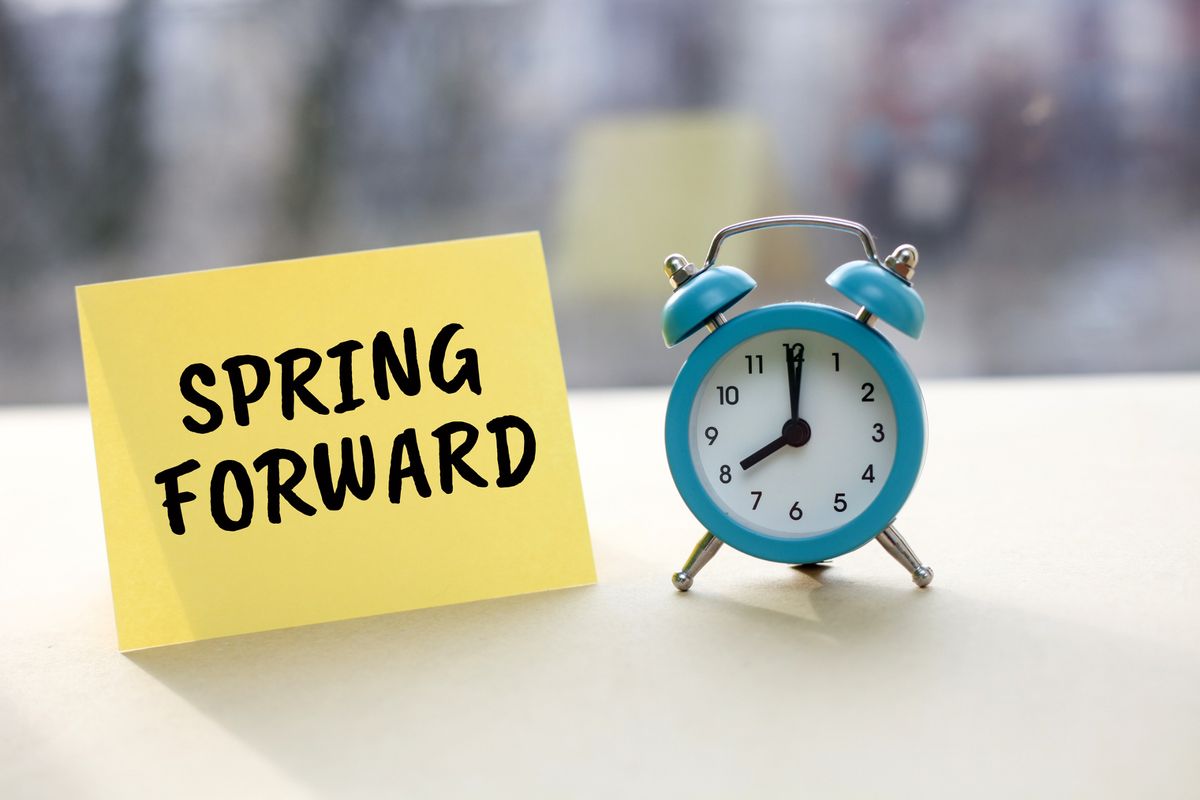
This year, the clocks will change on Sunday, March 29(Image: Getty Images)
When do clocks go back?
Clocks go back by one hour at 2am on the last Sunday in October. This year, the clock will ‘fall back on October 25, 2026.
This means, at 2am on October 25, the time on the clock will change to 1am.
Plans to scrap Daylight Saving Time permanently
In 2019, the European Parliament voted in favour of ending these seasonal time changes. EU institutions have not made progress on implementing the decision, and the European Commission has said that it does not plan to submit a new proposal on the matter to the Parliament.
This means that no changes are expected to summer and winter time in the coming years.
Want to see more of the stories you love from the Irish Mirror? Making us your preferred source on Google means you’ll get more of our exclusives, top stories and must-read content straight away. To add Irish Mirror as a preferred source, simply click here.