
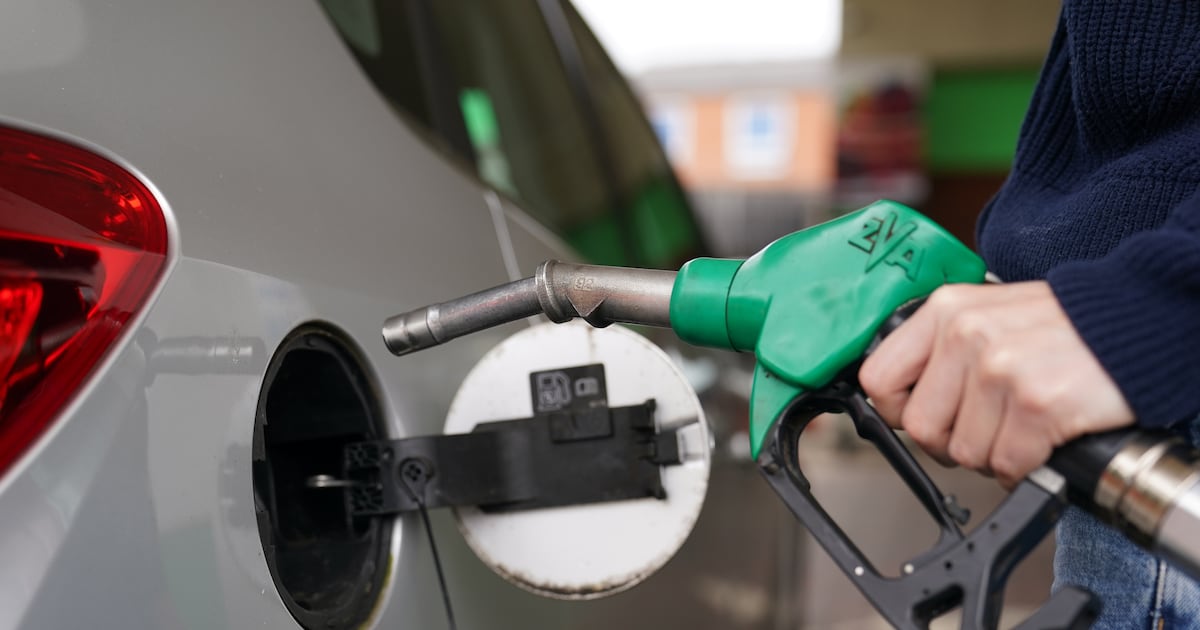
A tax rebate scheme for hauliers, a double fuel allowance payment and a reduction in excise duty to cut fuel prices at the pumps are all expected to be agreed by the Government on Monday but the measures due to be announced on Tuesday will initially be in place for only a number of weeks.
The Coalition will this week have to manage the public’s expectations of how long they can expect such relief to last, while also being blunt that it “cannot shield people from the full impact of the war”, a Government source said.
The knock-on effects of the conflict, and how vulnerable Ireland is to foreign wars, means a new taskforce is now focusing on how to fast-track renewable energy projects to make Ireland more self-sufficient.
Officials within the Department of Finance have warned that household incomes in Ireland will be hit, inflation will rise and modified domestic demand will dip the longer the US–Israel war in Iran goes on.
Ministers are bracing for longer-term harm to the global and Irish economy, and the volatility of the ongoing oil crisis means that any measures announced on Tuesday will be time bound to a number of weeks rather than months.
Taoiseach Micheál Martin, Tánaiste Simon Harris and Independent Minister Seán Canney will meet relevant Cabinet colleagues on Monday before signing off on support at a leaders’ meeting on Monday evening before the measures are announced on Tuesday morning.
Harris is expected to recommend to colleagues a reduction in excise duty to cut the price of fuel at petrol pumps, though the exact cut and duration of it have yet to be agreed. Fears about the viability of Ireland’s supply chains have led to proposals for a new rebate scheme for hauliers, following a meeting between their representative group and the Government late last week.
A double fuel allowance payment will target those most vulnerable from fuel poverty, including pensioners. The Department of Social Protection is expecting an extension to the fuel allowance season, a payment that had been due to end in April, but does not yet know how long the payment will be extended for.
Though the measures announced this week will be announced with initial time limits, the Government understands that they may need to be extended as more key energy infrastructure in the Middle East is targeted and damaged in the war.
[ Consequences of war in Iran set to be long-lastingOpens in new window ]
Ministers believe that any measures announced this week will be “a start”, with politicians keen to find ways to visibly and quickly reduce the cost of petrol and diesel for the public.
Ireland’s vulnerability to international conflicts and their knock-on effects on the price and supply of oil has started a conversation within the Government about the need for Ireland to be more self-sufficient in terms of its own energy supply.
“This current conflict is a sharp reminder to the world, including Ireland, that we must accelerate our transition towards energy independence, and I will be discussing this with Government colleagues in the days ahead,” Harris said, in a statement over the weekend.
A new cross-Government taskforce will be set up to try to respond to the economic pressures caused by the war. The same taskforce will also consider Ireland’s need to “fast track” renewable energy.
He said the Government needed to strike a balance “between providing help now and keeping some of our powder dry – nobody knows what the situation will be in a month from now; so we must remain nimble and flexible in our response”.
Officials within the Department of Finance are mapping out how various different scenarios in the war would and could affect Ireland. This macroeconomic analysis will be brought to the Government by Harris shortly. Initial indications from officials within the department have already said that the longer the war continues, “the greater the economic challenge will be” with impacts expected on inflation, domestic demand and household income.
Canney said the Government is trying to put safeguards in place to avoid any prospect of fuel rationing. “We would hope that it won’t happen, that it won’t end up like that,” he told RTÉ’s The Week in Politics. He said this was why it was important to pursue de-escalation, “and get some sort of stability back into the world economic stage”.