
Experts are warning of a jump of up to 10% in food prices as a result of sustained input cost rises for farmers due to the conflict in the Middle East.
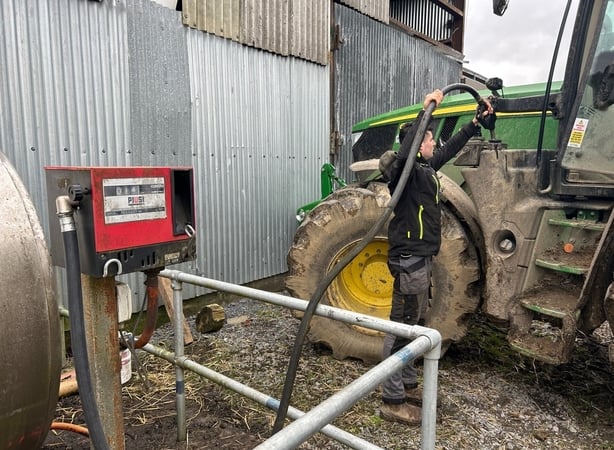
In recent weeks the price of agricultural, or green, diesel has jumped by more than half – from around €0.98 per litre to around €1.50 per litre – while many fertilisers have risen in cost by more than a third.
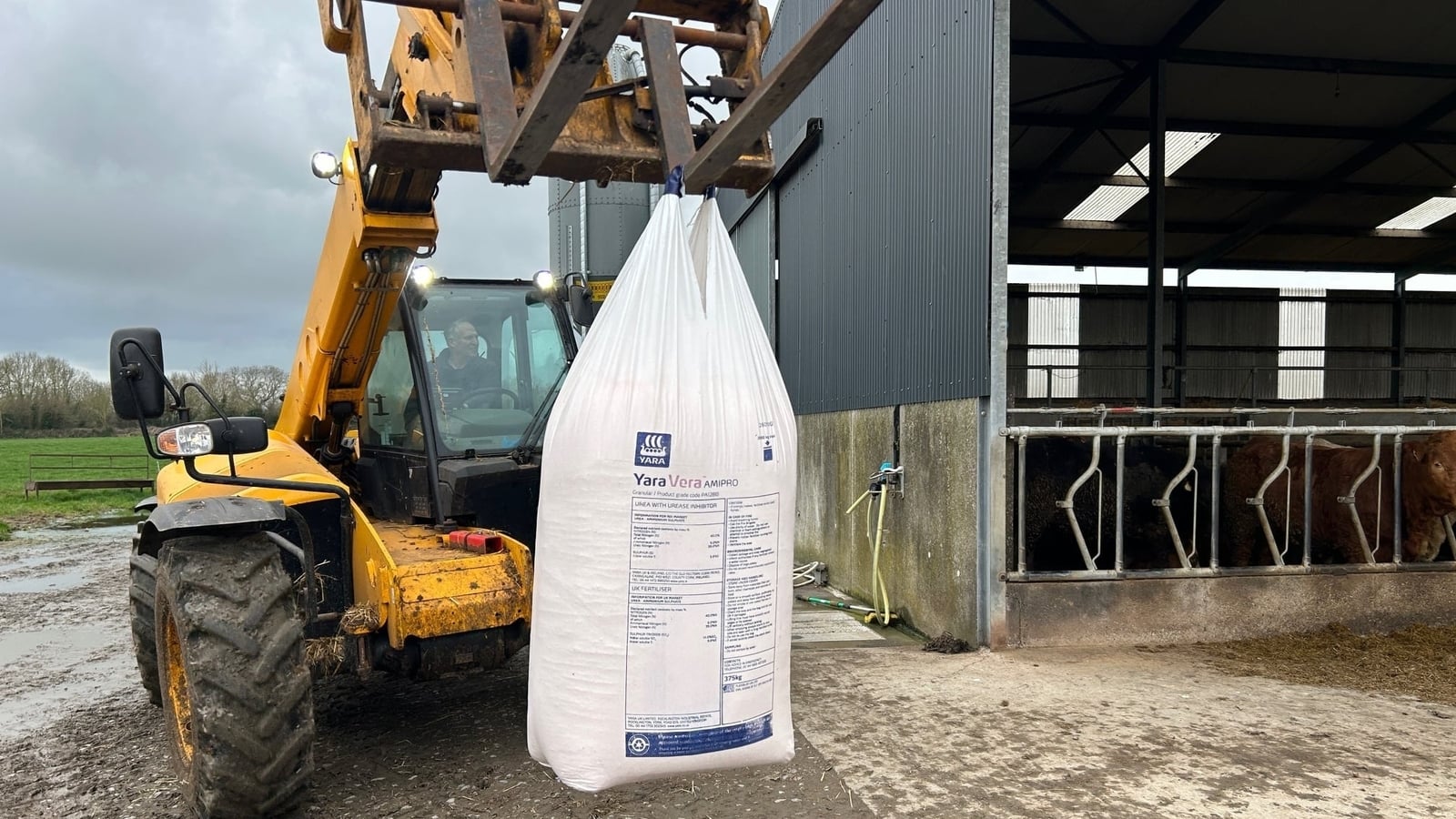
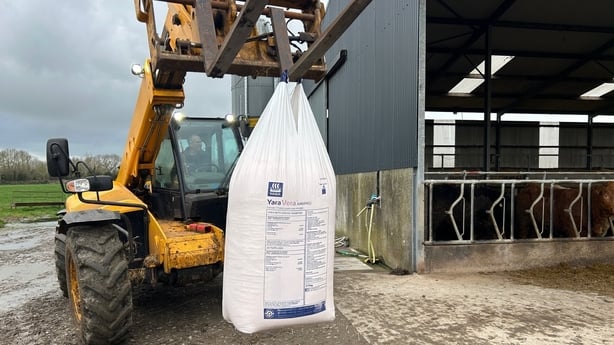
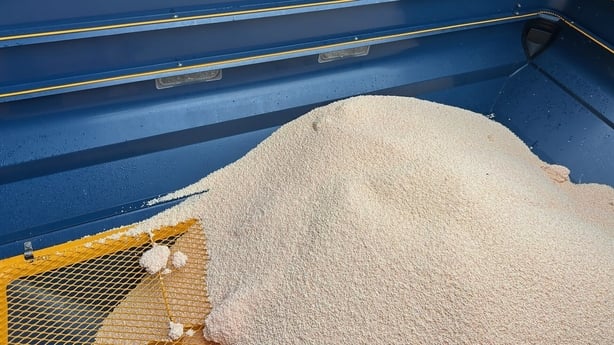
The price of protected urea, a widely used fertiliser, in particular has jumped with some suppliers halting sales of the product.
Kilkenny-based beef and tillage farmer James Drea said he has experienced a 60% increase in his fertiliser costs “in the space of a couple of weeks”.

‘We’ll just have to try to weather the storm,’ says farmer James Drea
“The challenging part about the (tillage) sector is that everybody else passes their rising costs on, but we can’t pass any costs on because we’re dealing with a world market and we’re price takers – not price makers,” Mr Drea added.
The young farmer is insulated from the sharp hike in green diesel for now as he filled up his 8,000-litre tank just before the recent surge.
He said his supply will likely last another couple of weeks, but then he will be exposed to the jump.
“We’ll just have to try to weather the storm, but profits are going to be non-existent,” he said.
Low fertiliser supplies will impact price of every food.
Agri-food economist Thia Hennessy said fertiliser costs will have the most significant impact on the food supply chain
UCC agri-food economist Thia Hennessy said while fuel and electricity price rises at farm level will increase costs across the food supply chain, the “most significant” impact will be because of fertiliser.
Ms Hennessy points out that “about a fifth of the world’s fertiliser is produced in the Middle East and about a third of the traded fertiliser in the world passes through the Strait of Hormuz”.
“So any limit in the availability of or the price of fertiliser will really impact the price of every food,” she said.
However, she added it might take some time before we see the impact on food prices.
She said: “We have some experience from the war in the Ukraine.
“When Russia invaded in 2022 energy prices and fertiliser prices increased immediately, but it was three to six months before we saw that impact on food prices.
“That’s because it takes some time for input price increases to work through the supply chain and there are a number of fixed-price contracts that need to be renegotiated.”
In terms of how high food prices might rise as a result of the current conflict, the senior lecturer in retail management at TU Dublin Damian O’Reilly believes trends going back to the 1970s give a good indication.
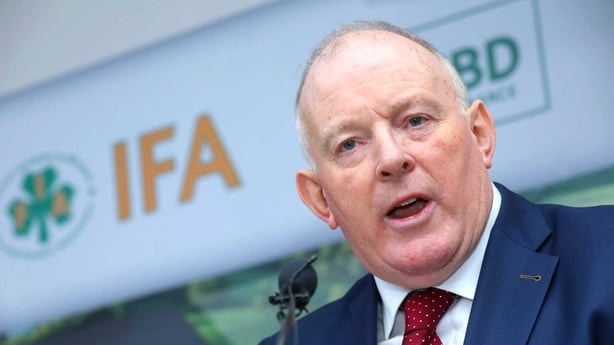
Francie Gorman has written to the Tánaiste to call for extra support for farmers
Mr O’Reilly said: “Evidence from oil price increases that sustained over several months show there’s a significant increase in the price of food that seems to follow an oil price rise.
“The most recent example has been the Ukraine war.
“If we track that, you can probably see that there’s going to be an increase of 8% – 10% in grocery inflation.
“An average household will see an increase probably of around €50 to €60 per month (in grocery spend) as a result.”
The Government is expected to announce measures later to help mitigate the impact of soaring fuel prices.
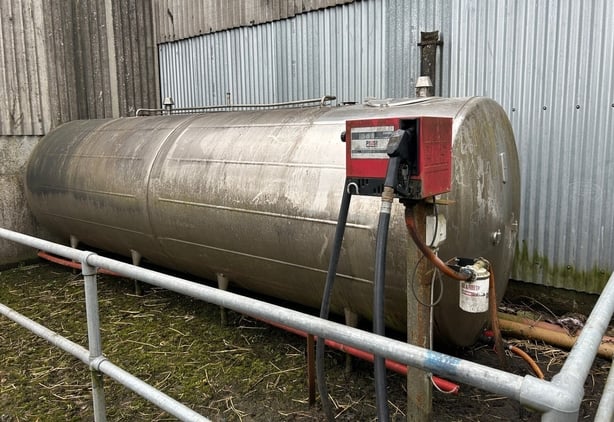
Measures to help mitigate the impact of soaring fuel prices are expected to be announced
Ahead of that, Irish Farmers’ Association President Francie Gorman has written to Tánaiste and Minister for Finance Simon Harris to call for extra support for farmers.
Mr Gorman is “requesting that he suspends the carbon tax on marked gas oil (green diesel and kerosene).
“Government tax on green diesel is circa 22c per litre, of which 17c is carbon tax.”
“The only way the Government can make a significant difference to taxation on green diesel is to address carbon tax,” Mr Gorman said, adding “there is no alternative fuel source for agricultural vehicles, so the tax cannot achieve its objective”.
The IFA president also pointed out that “at EU level, the option exists to suspend the Carbon Border Adjustment Mechanism and this would help to mitigate price increases”.