
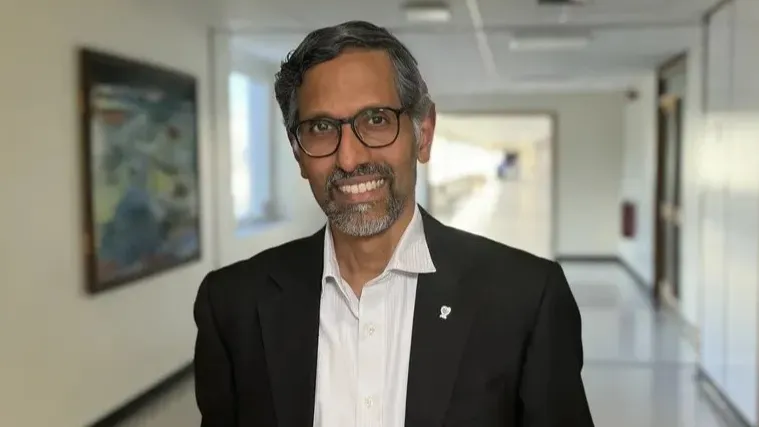
More than a hundred doctors have written to Wes Streeting, the health secretary, demanding he “immediately reinstate” a scientist who was removed from overseeing a puberty blocker trial over accusations of bias.
Professor Jacob George, chief medical and scientific officer at the Medicines and Healthcare Products Regulatory Agency (MHRA), intervened to get a puberty blocker trial paused last month over concerns the drugs would cause “long-term biological harms” to children.
George was subsequently withdrawn from any involvement in the NHS trial over old social media posts in which he stated that sex was a “basic biological fact” and praised JK Rowling’s position on the issue.
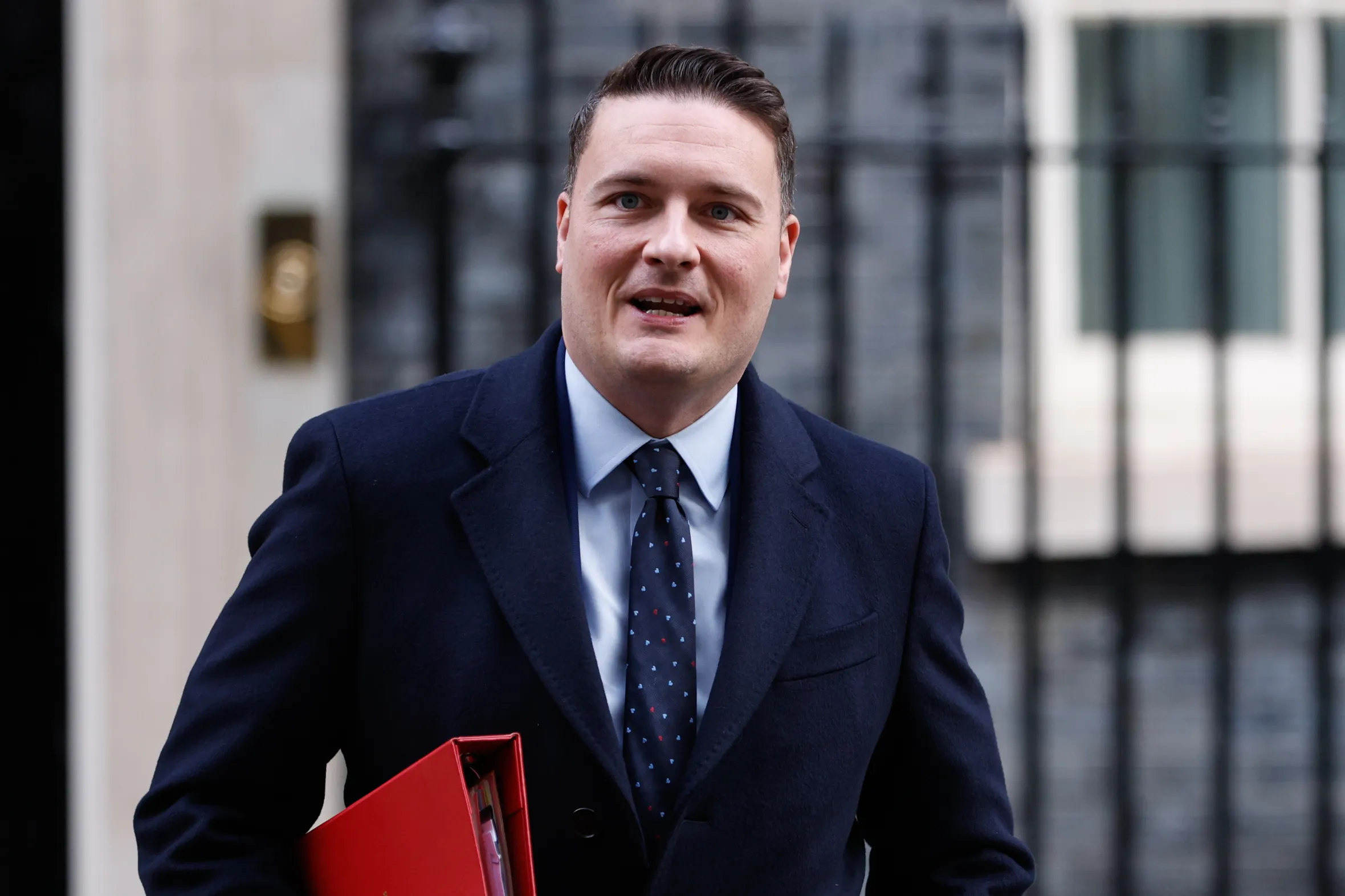 Wes Streeting, the health secretaryDAVID CLIFF/EPA
However, an open letter, signed by 130 health professionals, says it is “extraordinary” that the scientist could be removed from a role simply for “knowing that sex is real and important”.
It warns that the decision to remove George will have a “chilling effect” on scientists and medical professionals because it implies that to hold senior posts they must be “ideologically aligned” with the view that people can change sex.
The letter says: “This decision, apparently predicated on Prof George’s acknowledgment of the significance of biological sex, represents a direct assault on evidence-based medicine, the statutory duty of candour and the professional rights of medics in this country.”
It has been signed by experts including Professor Sir Stephen O’Rahilly, an endocrinologist at the University of Cambridge, and a dozen consultant psychiatrists including Dr Stella Kingett and Dr Az Hakeem.
The letter was sent to Streeting as well as the chief executive of the MHRA, the medical regulator. It calls for the MHRA “to provide a transparent justification for its actions or, failing that, to immediately reinstate Professor George to his full duties”.
The trial had been due to recruit 250 boys and girls as young as ten who wanted to change gender. They would be put on puberty-blocking drugs, which suppress hormones that cause physical changes such as breasts.
However, George raised ethical and safety concerns last month. He co-wrote a letter from the MHRA to King’s College London, which is running the trial, arguing for the minimum age to be raised to 14. It also highlighted concerns including the “very likely” loss of fertility and permanent bone damage to children.
The Department of Health subsequently announced that preparations for the trial had been paused.
One week later the MHRA said it had “recused Professor Jacob George from further involvement in the Pathways clinical trial as a precaution” after his old social media posts came to light.
The MHRA added: “Civil servants, like anyone else, hold personal views but must also carry out their roles in line with the civil service core values of integrity, honesty, objectivity and impartiality.”
The social media posts that led to the accusations of bias were made before George was appointed to his role at the MHRA in January. In one, he criticised the “well-meaning idiocy” of NHS staff denying what he called “basic biological fact”. He praised Rowling as a “treasure of our time” when she welcomed the Supreme Court’s ruling that legal sex should be based on biological sex. In another post, when questions arose as to whether the Algerian Olympic boxer Imane Khelif was a woman, he said “the denial of basic biological fact is concerning”.
The letter calling for George to be reinstated says biological sex “is not a matter of belief, but a fundamental physiological variable”. It adds: “To ignore the materiality of sex is to provide substandard care. Labelling a senior clinician ‘biased’ for engaging in discussions about these biological facts seems extraordinary given medical professionals use these facts to help keep our patients alive and give them the best care.”
The letter, co-ordinated by the Clinical Advisory Network on Sex and Gender, says that it is discriminatory and “legally indefensible” to penalise a clinician for believing in the material reality of sex, which is a protected belief under the Equality Act.