
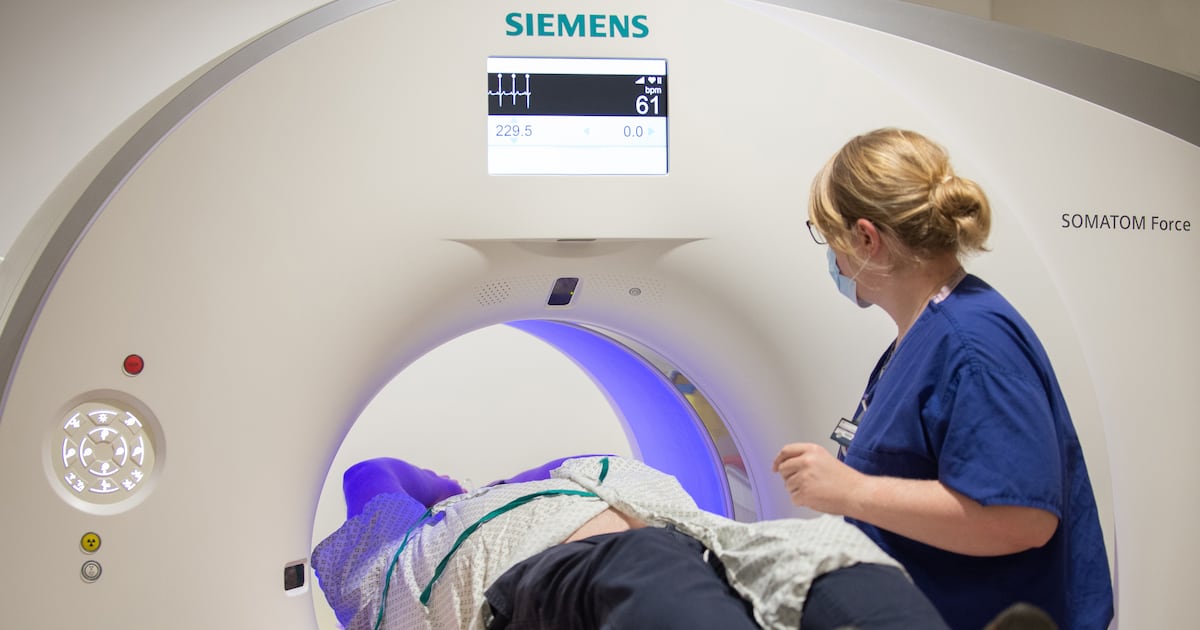
When people think about private medical insurance (PMI), the first things that usually come to mind are shorter waiting times, private hospitals and the comfort of having your own room. Those benefits certainly matter. But the most important advantage is often overlooked – faster diagnosis.
And when it comes to serious illness, speed can make all the difference.
Across Northern Ireland, more people are exploring private medical insurance because of the growing pressure on the health system.
One in four people here are currently on an NHS waiting list for a first consultant appointment. In many cases the median wait is over a year. For some treatments and procedures, it can be far longer.


In certain specialities, particularly orthopaedics such as hip and knee operations, some waiting times are now exceeding 300 weeks – nearly six years. During that time, people are not just waiting for treatment. They are waiting for answers, waiting to understand what is wrong, and waiting for their lives to move forward.
That delay in diagnosis can be the most dangerous part of the entire process.
Recent statistics underline why early detection is so critical. Almost 35,000 people under the age of 50 are now diagnosed with cancer every year across the UK.
Many people still believe cancer is something that happens later in life, but the data tells a different story. Bowel cancer, for example, is one of the fastest-rising cancers among younger adults, with almost 6,000 young people dying from it each year.
Medical evidence consistently shows that the earlier an illness is detected, the greater the chances of survival and successful treatment.
Take breast cancer as an example. When it is caught at stage one, between 90 and 98% of women will survive for five years or more. When it is diagnosed at stage four, that figure drops to around 30%. The difference is not just treatment, it is timing.
A similar pattern exists with other cancers. Bowel cancer detected early can have a five-year survival rate of more than 90%, while prostate cancer diagnosed at stages one or two leads to almost a 100% five-year survival rate. Cervical screening can even identify potential risks before cancer develops at all, allowing preventative treatment.
The challenge many patients face is simply getting those initial investigations done quickly enough.
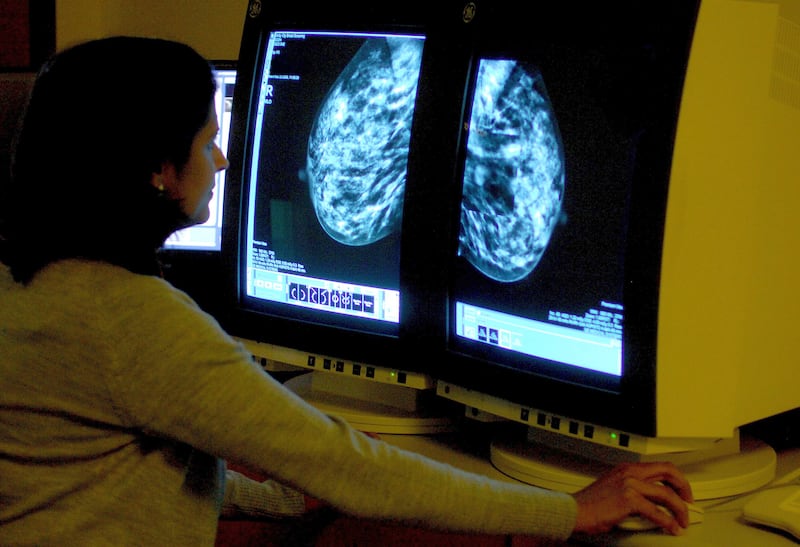 When breast cancer is caught at stage one, between 90 and 98% of women will survive for five years or more. But when it is diagnosed at stage four, that figure drops to around 30% (Rui Vieira/PA)
On the NHS, it can sometimes take months just to receive a scan such as an MRI or to see a specialist. That period of uncertainty can be incredibly stressful, and in some cases, it allows conditions to progress.
PMI can help bridge that diagnostic gap. Instead of waiting months for initial tests, patients can often see a specialist and undergo scans within days. That quicker access to diagnostics can lead to earlier treatment and better outcomes.
PMI also offers practical benefits that many people value, greater control over appointments, the ability to choose your consultant, and access to private hospitals and facilities. Many policies also include additional support such as mental health services and wellbeing benefits.
At a time when waiting lists remain a significant challenge across Northern Ireland, people are increasingly seeking ways to protect their health and gain quicker access to care.
For many, private medical insurance provides exactly that – peace of mind.
 Paddy Kearney, private medical insurance executive at AbbeyAutoline
After all, most of us insure our homes and our cars, things that can ultimately be replaced. Yet our health is the one thing we cannot replace.
Early diagnosis saves lives. And sometimes, the difference between waiting and knowing can change everything.