
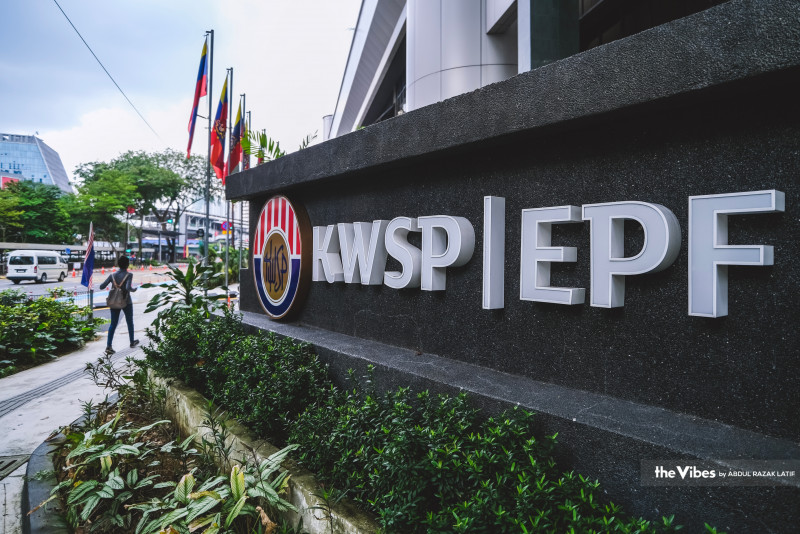
MORE contributors to the Employees Provident Fund (EPF) are turning to its investment scheme as they seek to enhance long-term retirement returns through diversified portfolios beyond traditional savings.
The EPF Members’ Investment Scheme allows contributors to transfer a portion of their Account 1 savings into approved unit trust funds, although strict safeguards are in place to ensure retirement security is not compromised.
Under the framework, contributors must first meet a Basic Savings threshold based on age, which represents the minimum level of retirement funds required.
Only savings exceeding this amount are eligible for investment, and even then, contributors may invest up to 30 per cent of the excess into approved unit trust funds.
These funds are pre-screened based on performance, risk profile and governance standards, ensuring a degree of protection for investors while enabling diversification.
The structure ensures that core retirement savings remain within the EPF, while surplus funds can be deployed to potentially generate higher returns through external investments.
Asia Pacific University of Technology and Innovation senior lecturer and head of the Master of Finance programme Ahmad Danial Zainudin said the scheme is not intended to replace the EPF’s role as a primary retirement fund.
Instead, he said, it provides contributors with an avenue to explore additional returns through investment diversification.
He noted that discussions about investing outside the EPF tend to surface when dividend rates fluctuate annually.
For the 2025 financial year, the EPF declared a dividend rate of 6.15 per cent for both conventional and Shariah savings, slightly lower than the 6.30 per cent recorded the previous year.
However, Ahmad Danial said such marginal changes are generally not the primary factor driving contributors to shift funds into other investment instruments. – March 24, 2026