

Your support helps us to tell the story
From reproductive rights to climate change to Big Tech, The Independent is on the ground when the story is developing. Whether it’s investigating the financials of Elon Musk’s pro-Trump PAC or producing our latest documentary, ‘The A Word’, which shines a light on the American women fighting for reproductive rights, we know how important it is to parse out the facts from the messaging.
At such a critical moment in US history, we need reporters on the ground. Your donation allows us to keep sending journalists to speak to both sides of the story.
The Independent is trusted by Americans across the entire political spectrum. And unlike many other quality news outlets, we choose not to lock Americans out of our reporting and analysis with paywalls. We believe quality journalism should be available to everyone, paid for by those who can afford it.
Your support makes all the difference.Read more
Remarkably small daily adjustments to sleep, exercise, and diet could significantly lower the risk of heart attacks, a new study has revealed.
Adding just 11 minutes more sleep each night, incorporating an extra 4.5 minutes of brisk walking, and consuming an additional quarter cup of vegetables daily could reduce a person’s risk of major cardiovascular events, including heart attacks and strokes, by approximately 10 per cent.
Academics behind the study emphasised that such minor behavioural shifts are far more “achievable and sustainable” for most individuals than drastic lifestyle overhauls.
Published in the European Journal of Preventive Cardiology, the comprehensive study involved experts from Australia, Chile, and Brazil.
They meticulously analysed data from over 53,000 middle-aged UK adults participating in the Biobank study, tracking sleep habits and exercise levels via wearable technology like smartwatches, alongside self-reported dietary information.
Over an eight-year follow-up period, researchers observed 2,034 major cardiovascular events.
 Adding just 11 more minutes of sleep can make a big difference (Alamy/PA)
Their findings pinpointed an ‘optimal’ lifestyle combination – a balanced diet, eight to nine hours of sleep per night, and a minimum of 42 minutes of moderate-to-vigorous physical activity daily – which, when combined, led to a substantial 57 per cent lower risk of heart attacks and strokes.
The NHS website clarifies that moderate activity encompasses brisk walking, dancing, pushing a lawn mower, water aerobics, and cycling, while vigorous activities include running, swimming, skipping, and aerobics.
Dr Nicholas Koemel, lead author and research fellow at the University of Sydney, highlighted the power of cumulative small changes.
“We show that combining small changes in a few areas of our lives can have a surprisingly large positive impact on our cardiovascular health,” he said.
“This is very encouraging news because making a few small, combined changes is likely more achievable and sustainable for most people when compared with attempting major changes in a single behaviour. I would encourage people not to overlook the importance of making a small change or two to your daily routine, no matter how small they may seem.”
Professor Emmanuel Stamatakis, senior author of the study and professor of physical activity and population health at the University of Sydney and Monash University, revealed future plans.
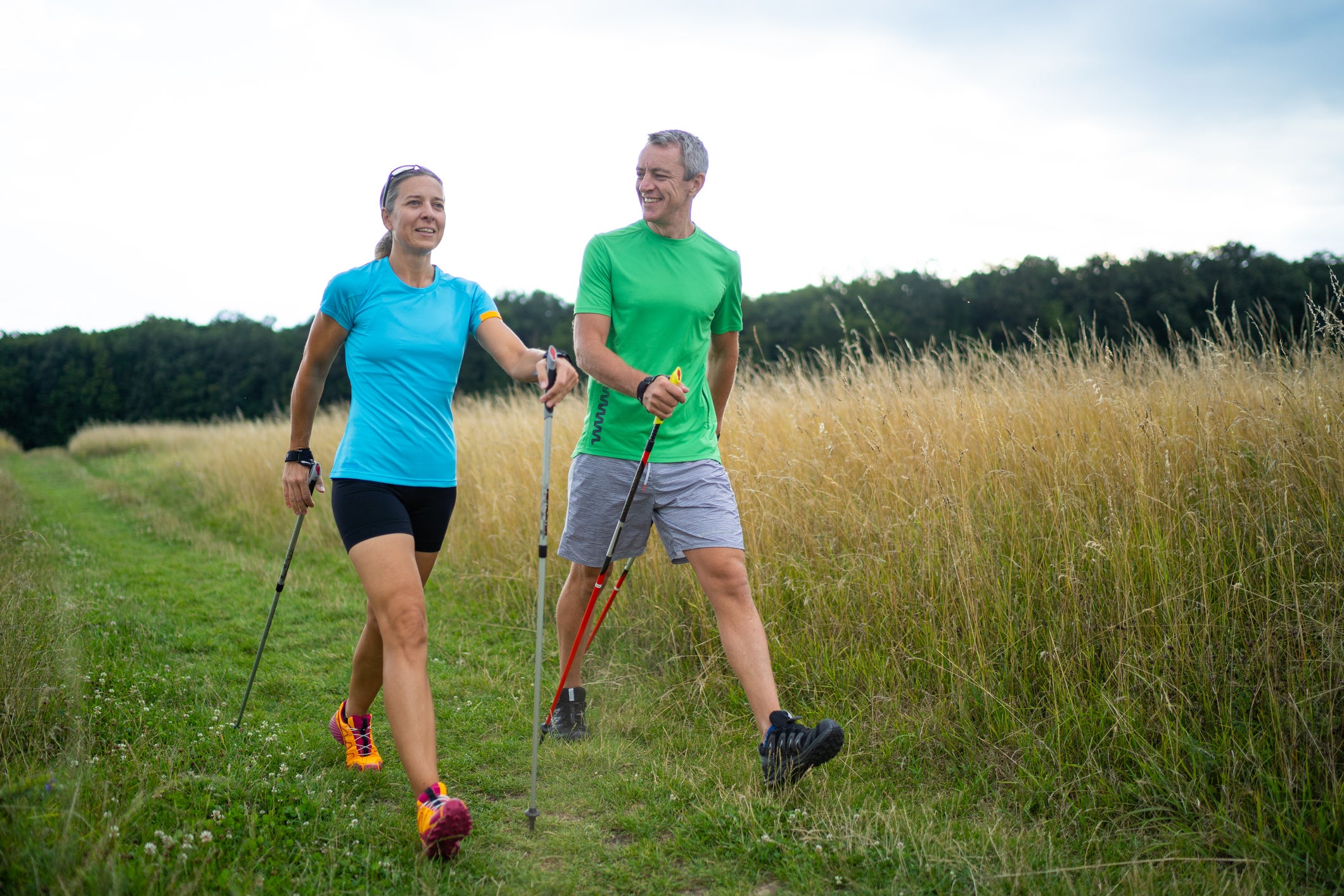 Four-and-a-half minutes of brisk walking is also recommended to reduce heart attack risk (Getty Images)
“We plan to build on these findings to develop new digital tools that support people in making positive lifestyle changes and establish sustained healthy habits,” he stated.
Emily McGrath, a senior cardiac nurse at the British Heart Foundation, echoed the sentiment.
“Many of us want to live healthier lives, but making changes can sometimes feel overwhelming or hard to fit into our busy routines,” she commented.
“What’s encouraging about this study is that it shows those changes don’t need to be big to make a difference. Small tweaks – like getting a little more sleep, adding a few extra minutes of activity to your day, or eating a bit more veg – can work together to have a meaningful positive impact on your heart health.”
She added: “This research highlights that improving these habits in combination, even in modest ways, can be more achievable and still bring real benefits. The key is aiming for a generally healthy day-to-day lifestyle that you can stick with.”