
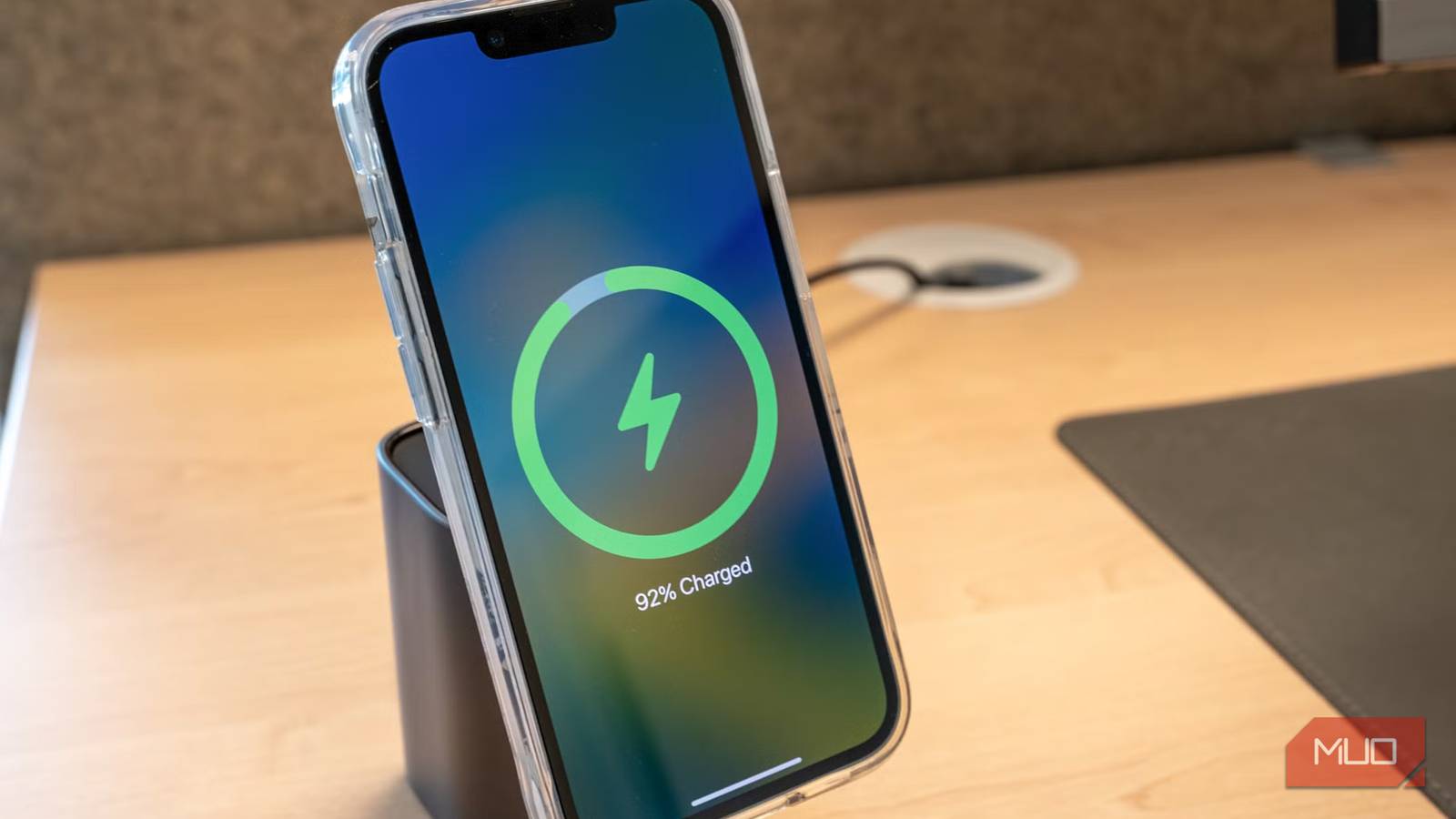
I don’t want to alarm you, but there’s a good chance that you’re charging your phone wrong. If that statement has flustered you, go ahead and take a few deep breaths. With so much of our lives now lived through smartphones, the notion that your mobile might be juicing up more slowly than you like is probably disconcerting. I know it’s a mistake I certainly made for years.
Thankfully, the days of my iPhone 14 Pro charging slower than an obese bull stuck in treacle are very much over. Ever since I picked up a particular type of charger in a sale last Black Friday, my Apple device now jumps to 100% battery in a relative flash. If you’re unsatisfied with how quickly your phone is charging, hopefully the following power adapter tip can help you out.
Say hello to GaN chargers
A smaller, faster, and more efficient way to power up your devices
Jowi Morales / MakeUseOfCredit: Jowi Morales / MakeUseOf
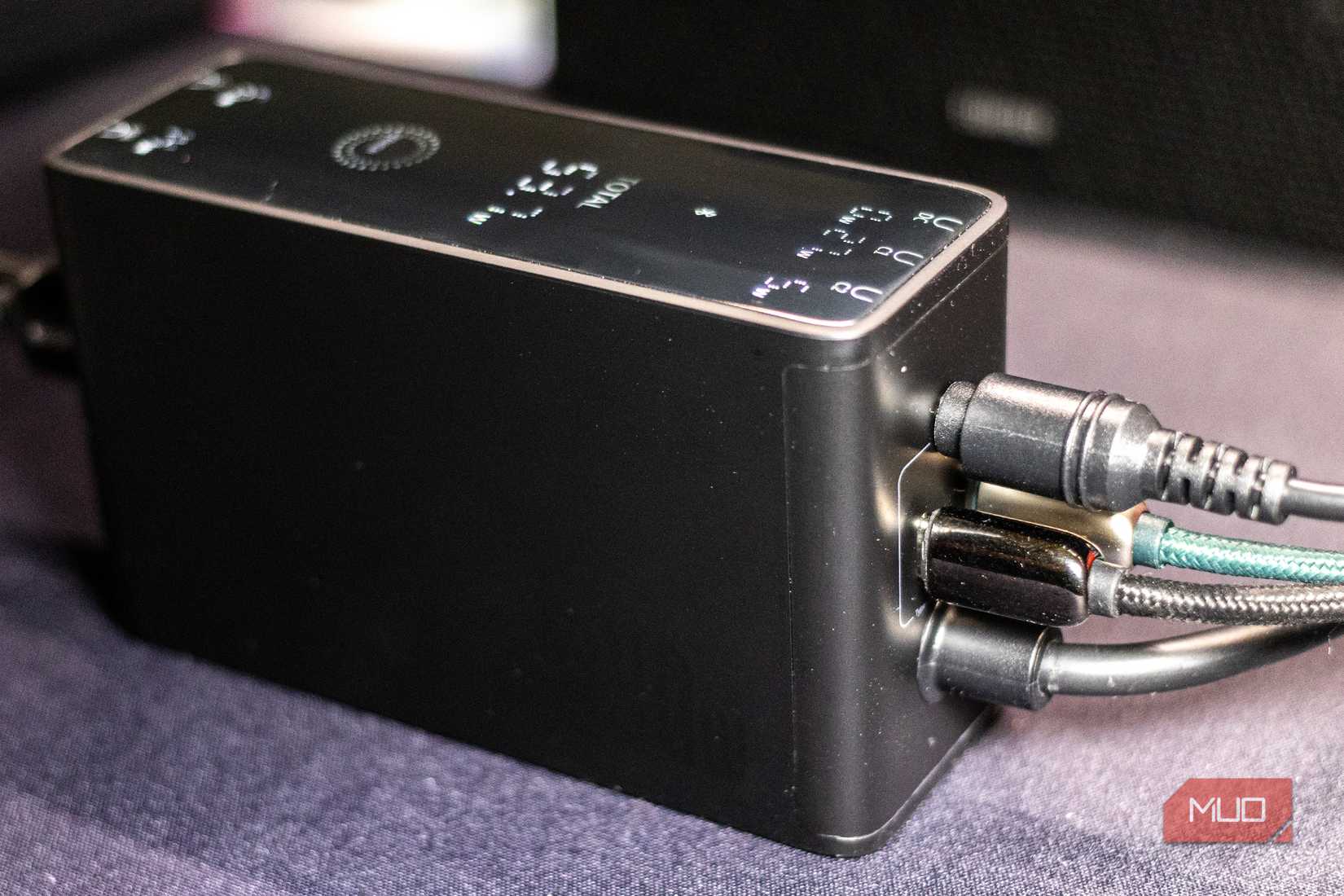
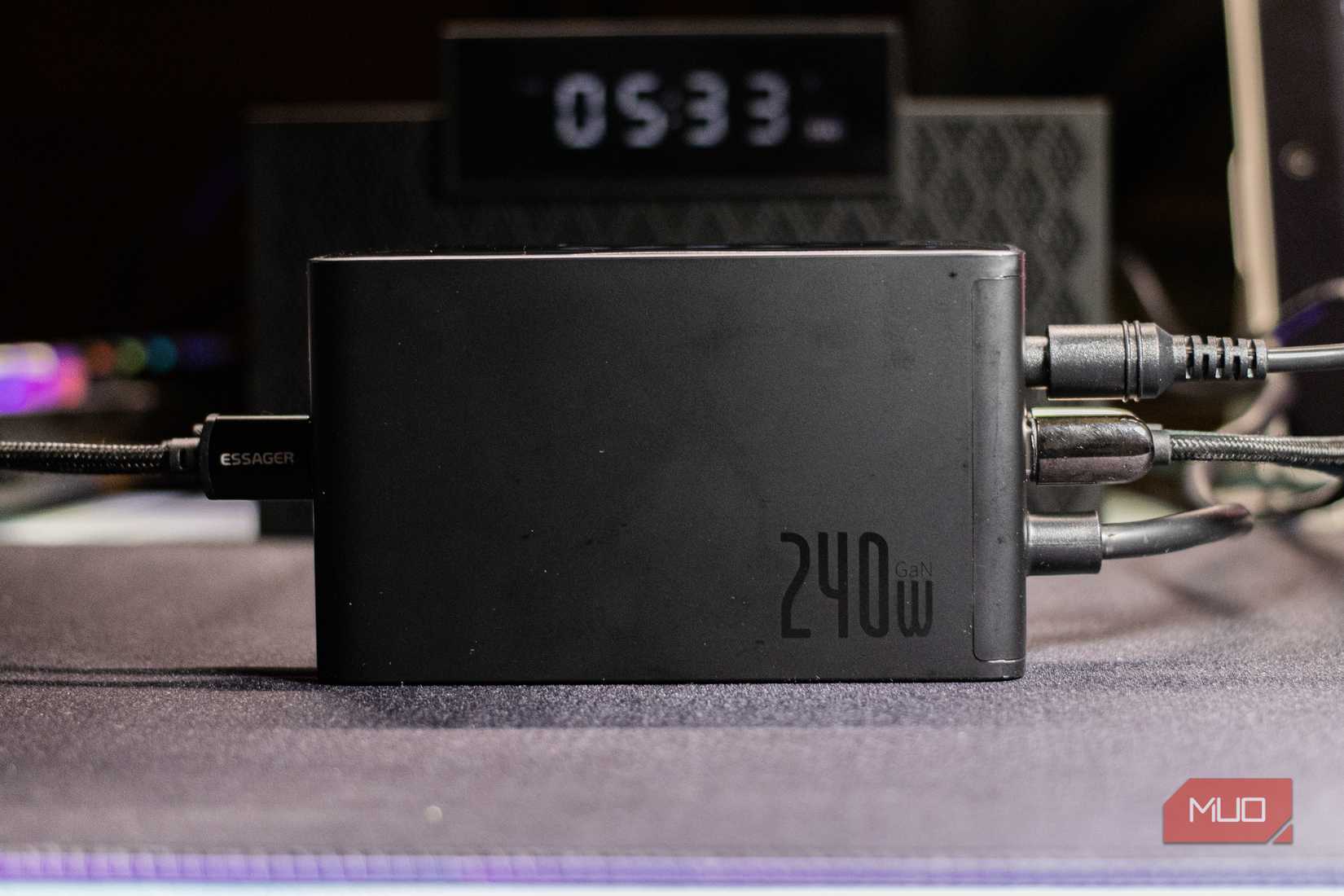
Enter GaN (Gallium Nitride) chargers. When I needed a new power adapter for my iPhone, iPad Pro, or various video game controllers a few months ago, I’d simply search for “USB adapter” on Amazon. I’d then typically be pointed towards old-school silicon/USB-A compatible chargers that would normally get my devices up to full juice in a matter of teeth-grinding hours.
GaN has changed all of that.
With significantly higher power-conversion efficiency than silicon, GaN chargers aren’t just smaller and less power‑hungry than older bricks, they can safely deliver higher wattage for faster charging in a smaller body. More friendly to speedier USB-C charging cables than previous-gen adapters, GaN chargers can offer an all-in-one power source to service your laptop, tablet, and phone; all the while providing faster charging in a small form factor.
Related
I Thought All Chargers Were the Same—Then I Learned These 6 Crucial Differences
If you want to fast-charge your devices, you need to make sure you’re using the right charger!
Freed from power bricks and with better heat dissipation, going all in on GaN truly has transformed how I charge my phone … and also my M4 iPad Pro, DualSense Edge, and Nintendo Switch 2 Pro controller.
Unburdened as they are from older generation power bricks, GaN chargers aren’t just more rapid than their aging silicon counterparts, they also boast longer lifespans.
GaN chargers are ultra-fast
The speediest way of powering up your devices
Jowi Morales / MakeUseOfCredit: Jowi Morales / MakeUseOf
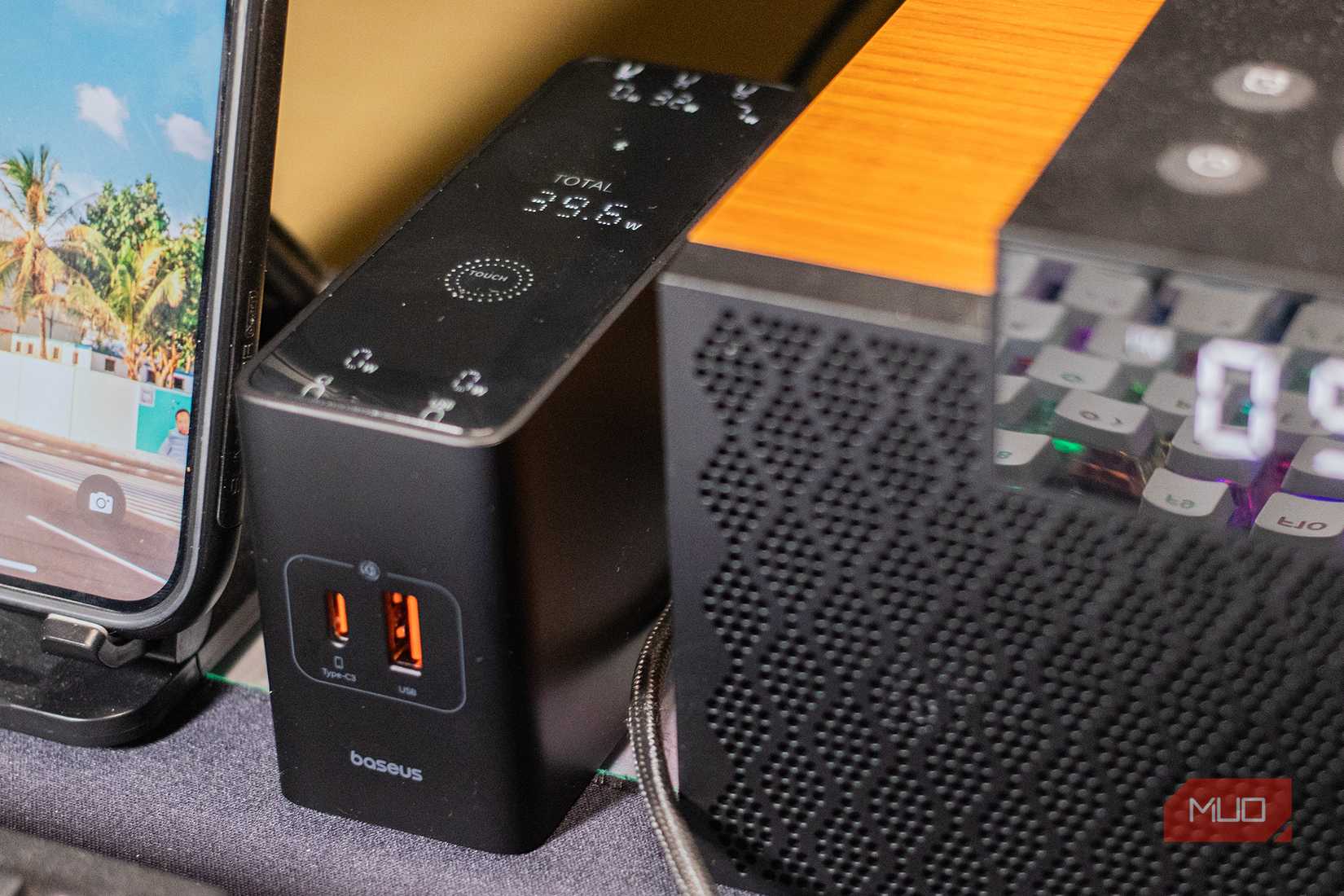
If you’re regularly on the move, GaN chargers are the most portable-friendly form of adapter you can currently find on the market. How heed-over-heels am I with this technology? Well, I’ve bought three separate GaN chargers over the last year — that should hopefully demonstrate my faith in this technology.
GaN adapters aren’t all that expensive, either. Of the trio of chargers I own, they all cost less than $50. Also, due to their more malleable form factor, they can come in some seriously fun shapes. And while I have you, here are 3 common USB-C mistakes that ruin your charging speed.
Though my primary, max single output 140W GaN charger looks a bit like a boring early ‘00s modem, my secondary 65W adapter is shaped like a Johnny 5, Short Circuit-style ‘80s robot. Explore Amazon or Best Buy, and you’ll quickly find a plethora of similarly creative GaN chargers.
GaN vs. silicon chargers
How much faster is the newer form of adapter?
Jowi Morales / MakeUseOfCredit: Jowi Morales / MakeUseOf
GaN is rapid. How rapid? I’d wager quick enough to catch the Road Runner after that infuriating bird has chugged a dozen energy drinks. Before I started writing this article, I pitted the charging speeds of one of my GaN adapters against an old silicon model that was gathering dust in a cupboard in my apartment.
I purposely let my iPhone drain down to a worryingly low 4%, then timed how long it took to get back up to 30% while connected to my GaN charger — that latter percentage is the lowest value I’m willing to walk out of my apartment with if I’ve got tasks to do. Measured via my iPad Pro’s stopwatch feature, it took the GaN exactly 13:45 minutes/seconds to get back to 30%. Yes, I realize this sort of charging obsession is more than a little unhinged. Also, you need to make sure your charging cable has an E-Marker chip to fully make use of GaN speeds.
How much did that silicon charger juice up my iPad Pro after those timing tests in the same sub-14 minute window? Exactly that 13:45 minutes/second timeframe to jump from 67% charge to a “mighty” 70% charge.
Considering my phone went from 4% to full battery in precisely 1:33:58 under GaN, I’m guessing my increasingly dust-covered silicon adapter may have eventually pumped up my iPad to full battery before the start of 2027. And if you are struggling with charging speeds (GaN or not) turn on this one iPhone setting for boosted battery life, if you’re an Apple user.
GaN is the way to go
I really wish it hadn’t taken me so long to discover GaN chargers. First debuted around 2018, this tech represents the sweetest of dreams for the sort of renegade folk who decide to hop out on the town with a 15% charge on their phones, then expect a quick 20-minute recharge in their local coffee shop to get them through the day.
If you’ve yet to discover the delights of GaN, this tech provides a far faster way of charging your phone or laptop compared to the increasingly dinosaur-like USB-A adapters you probably grew up with. Make no mistake, it’s time to go GaN.